Hatboro, PA Water Damage Restoration
Hatboro is a borough in Montgomery County. Its homes and businesses have access to 24/7 water removal, careful cleanup, and measured structural drying.
(888) 557-1733Describe the water loss now- Any-hour scheduling
- Clean and contaminated losses
- Moisture-based completion
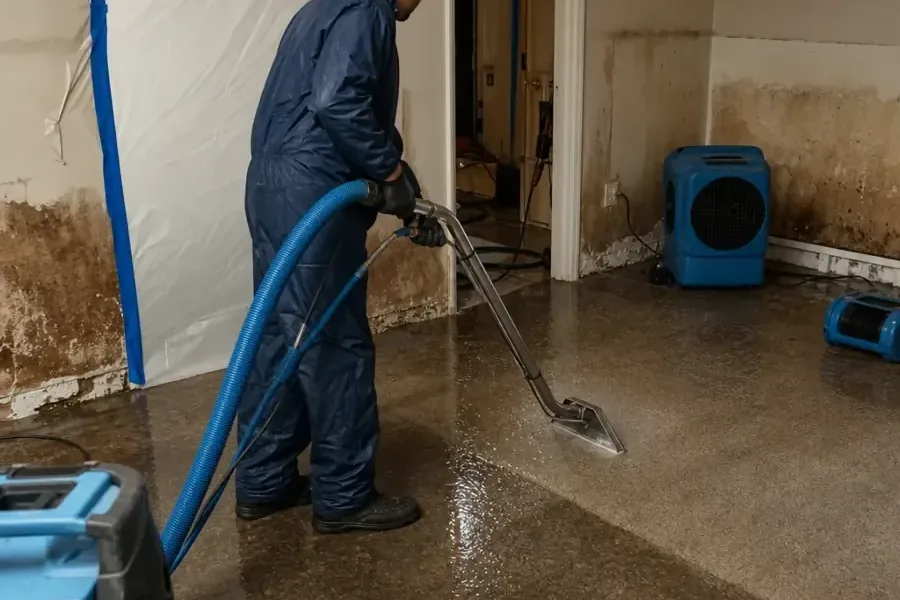
An extraction wand removes water while exposed wall cavities remain accessible for drying.
Five practical actions for an active water loss
Protect people first, document the scene, and keep the wet area from growing.
- 1
Choose a safe shutoff
Use a reachable valve only if the route avoids wet electricity and unstable surfaces.
- 2
Restrict affected rooms
Keep occupants away from sewage, sagging finishes, and powered equipment.
- 3
Photograph first conditions
Record the source, wet limits, belongings, and any room beneath the release.
- 4
Protect dry items
Move unaffected belongings without crossing contaminated or damaged areas.
- 5
Report useful details
Share the source status, affected levels, water appearance, utilities, and entry conditions.
Choose the service that matches the water source
Each response focuses on a distinct release, contamination level, or affected building assembly.
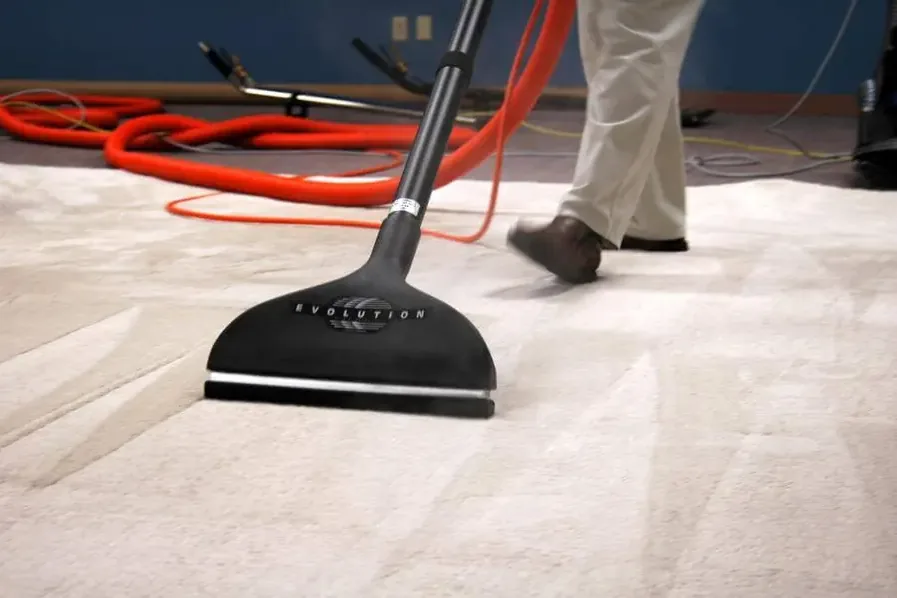 01Water Extraction & RemovalStanding water removed before it spreads into walls and subfloors.View service
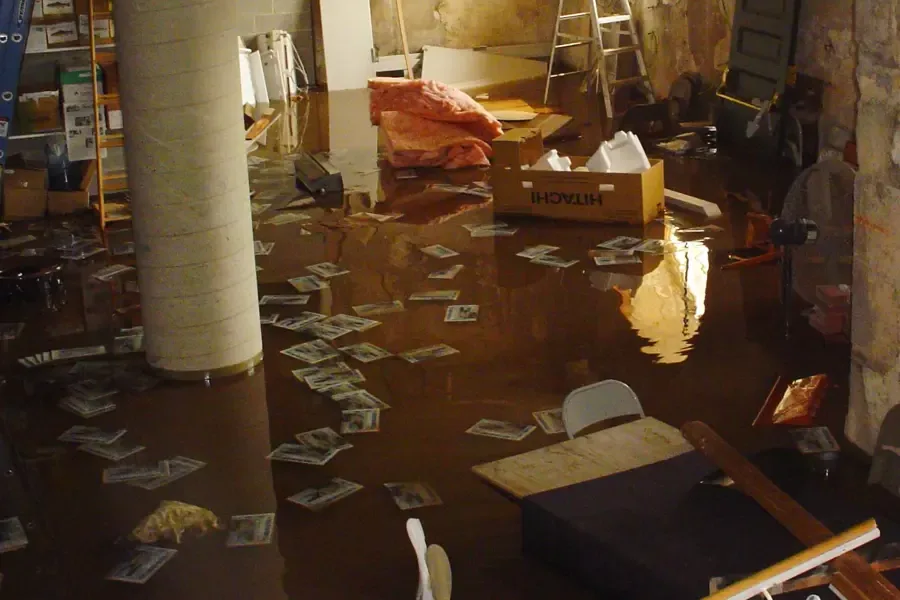 02Basement Flooding CleanupLower-level water pumped out, mapped, and dried.View service
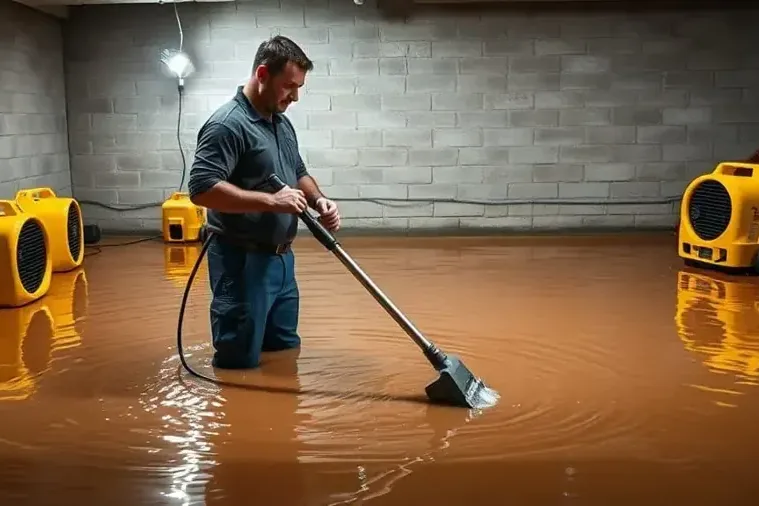 03Sump Pump Failure CleanupOverflow after a failed pump extracted and the wet assembly dried.View service
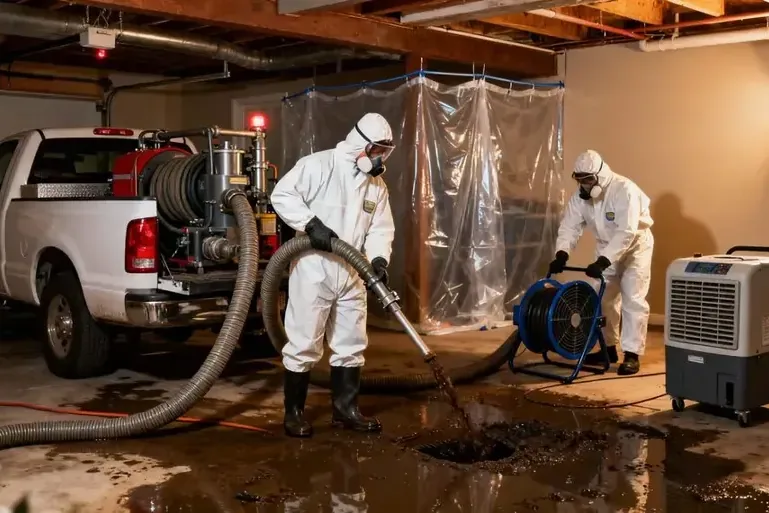 04Sewage CleanupCategory 3 water contained, removed, and treated safely.View service
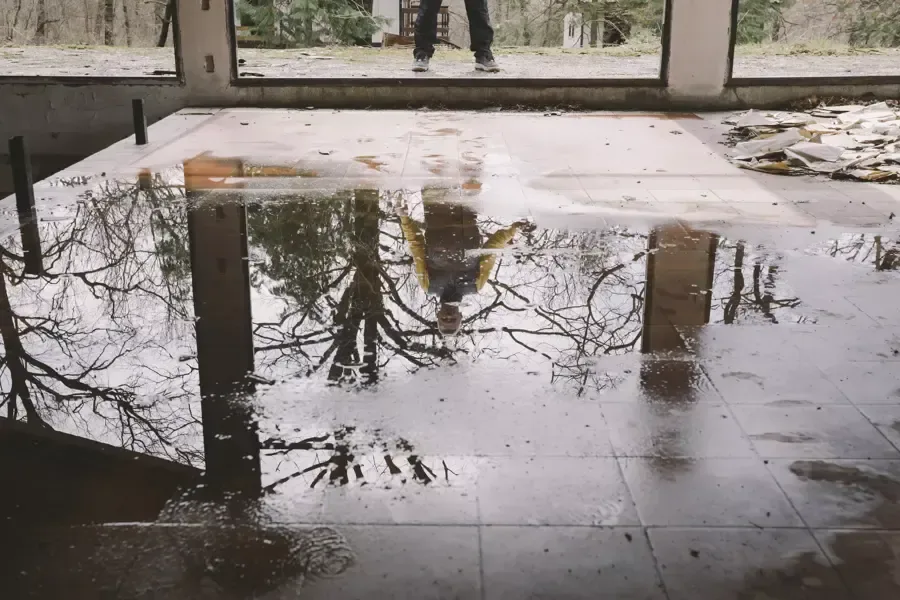 05Flood CleanupOutside water removed with contaminated-material controls.View service
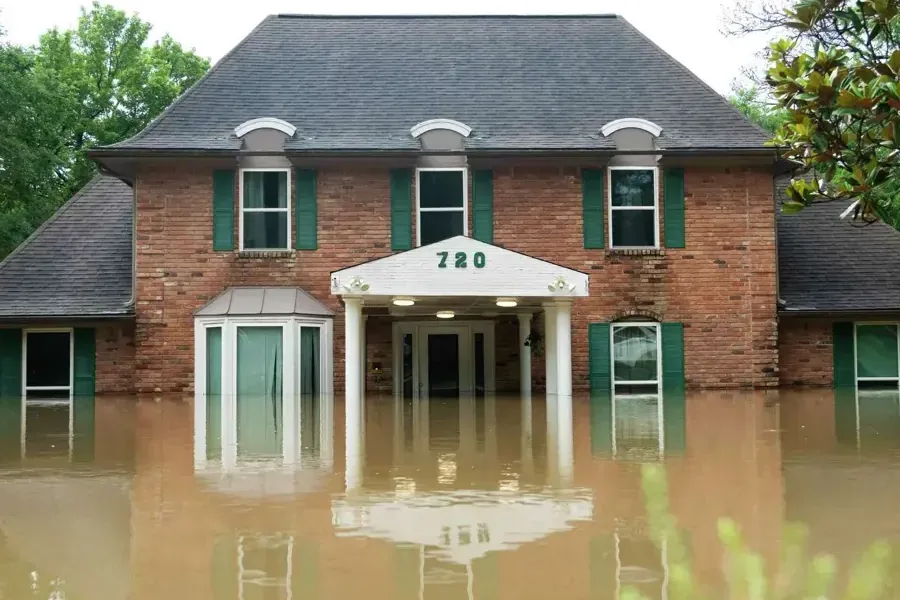 06Storm Water Damage CleanupRain and runoff losses extracted and dried.View service
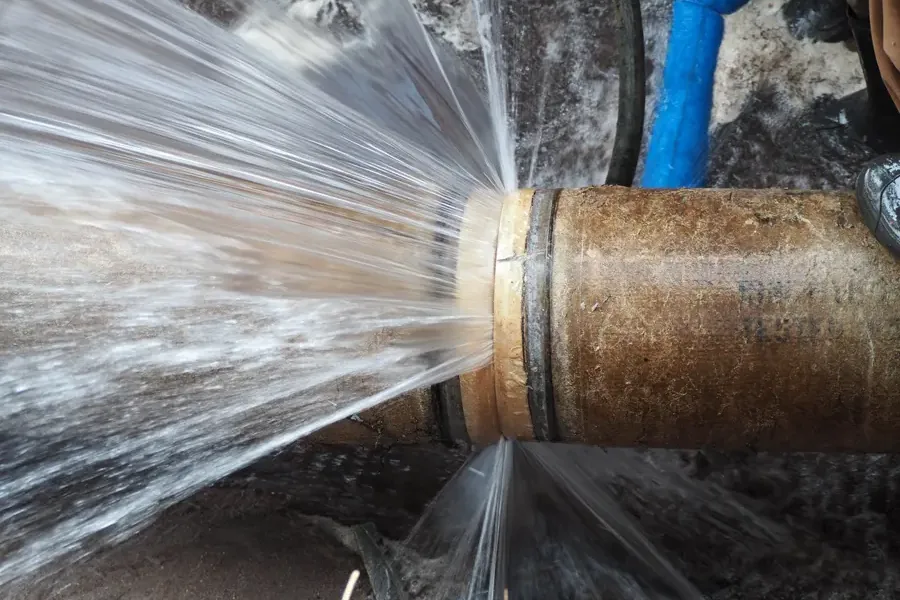 07Burst Pipe CleanupSupply-line releases stopped, extracted, and dried inside cavities.View service
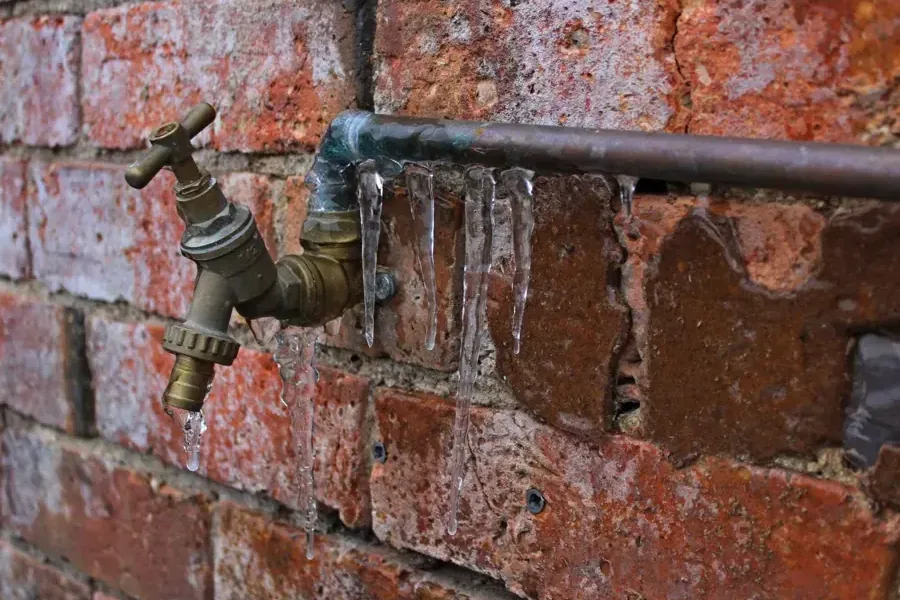 08Frozen Pipe CleanupCold-weather pipe splits handled before thawed water spreads.View service
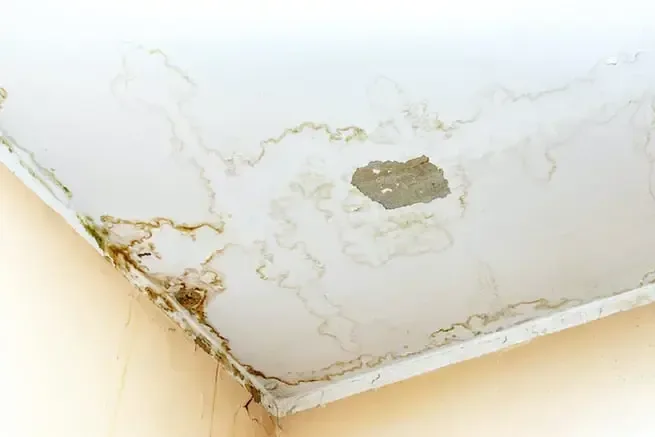 09Ceiling Leak Water DamageOverhead leaks traced and joist bays dried.View service
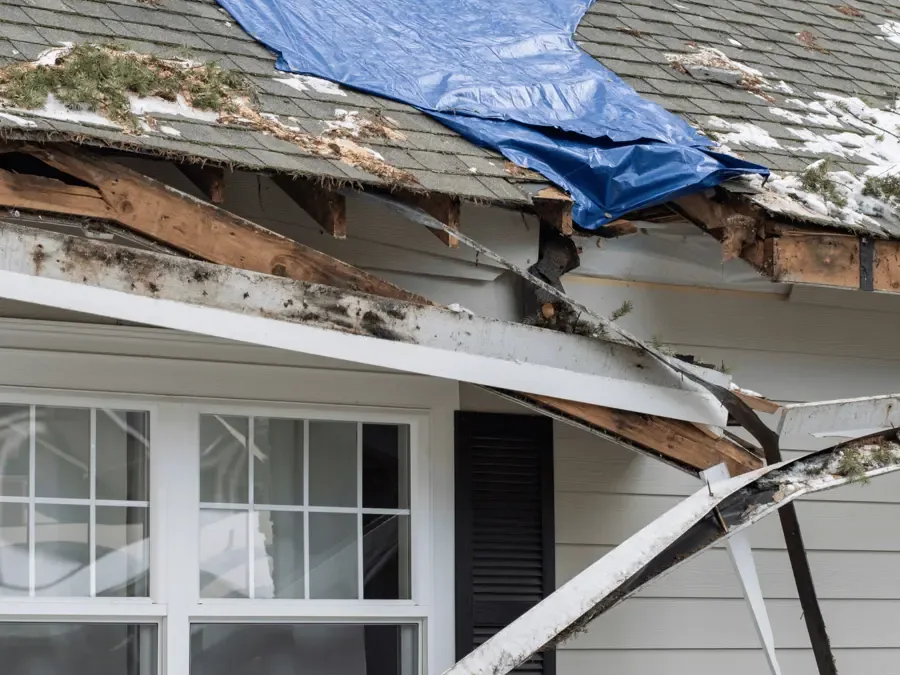
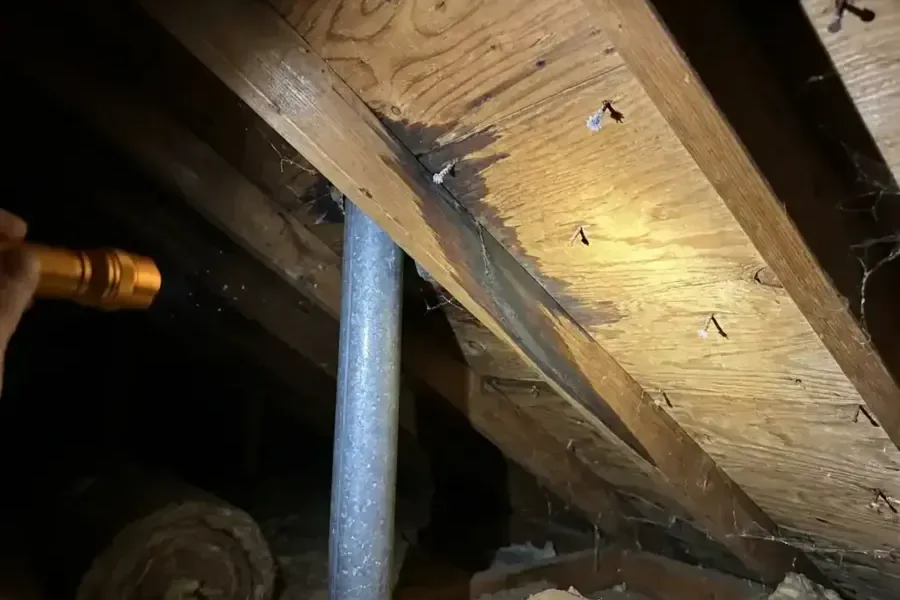 10Roof Leak Water DamageWet insulation and ceiling assemblies opened and dried.View service
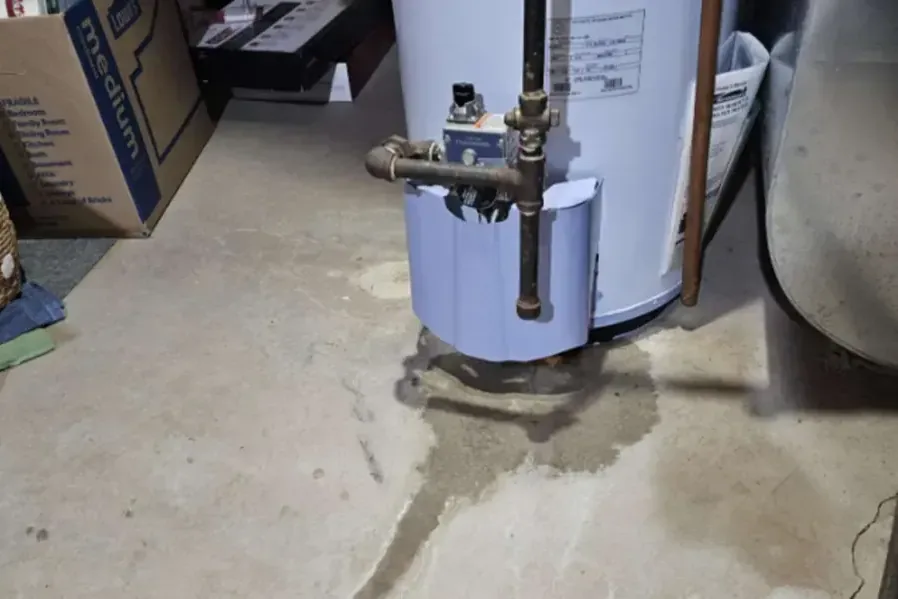 11Water Heater Failure CleanupTank releases extracted before wall and floor materials wick water.View service
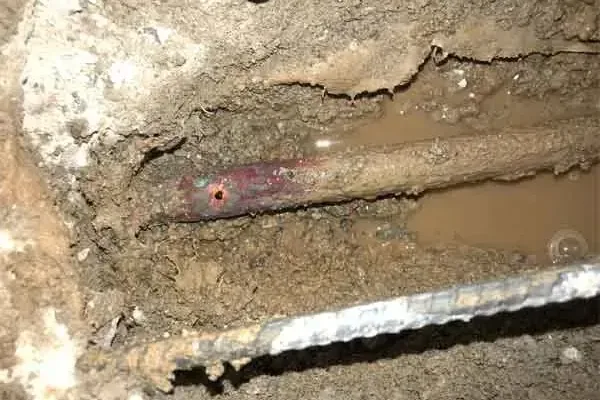 12Slab Leak Water DamageHidden supply water mapped across floors and wall bottoms.View service
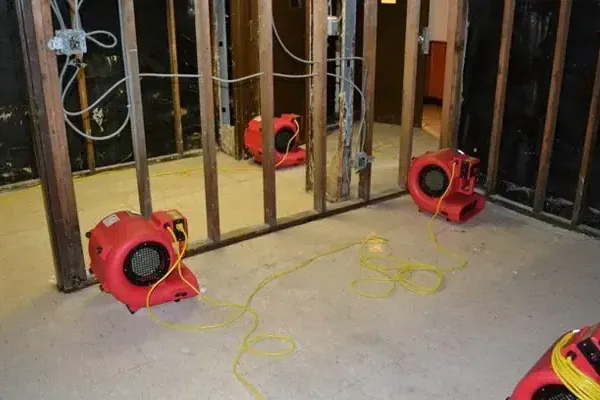 13Structural Drying & DehumidificationFraming, subfloor, plaster, and masonry dried to measured goals.View service
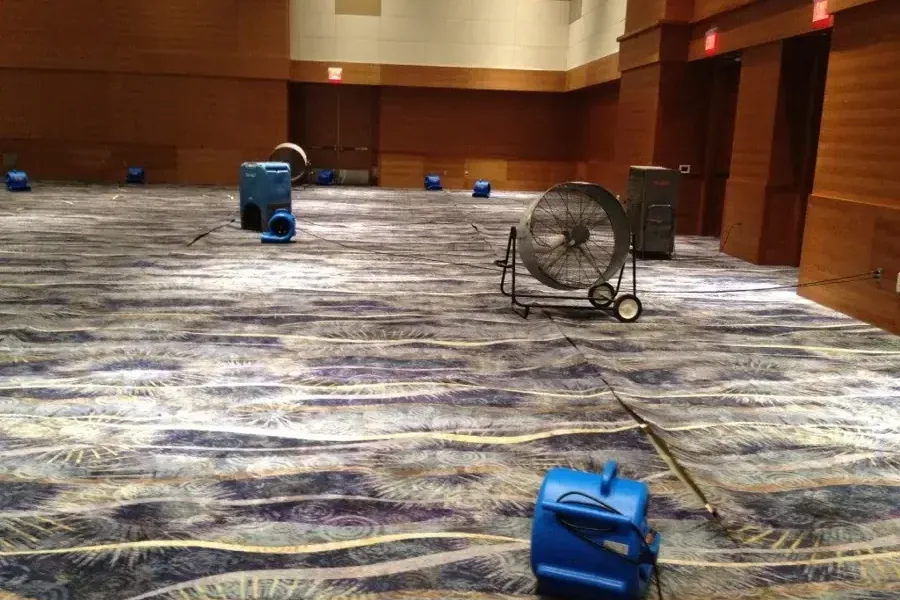 14Commercial Water Damage RestorationShops, offices, schools, and shared buildings dried in planned phases.View service Water source unclear?Describe the water path and the wet rooms.(888) 557-1733 Plan the cost rangeAnswer four questions for a planning figure.Open the calculator
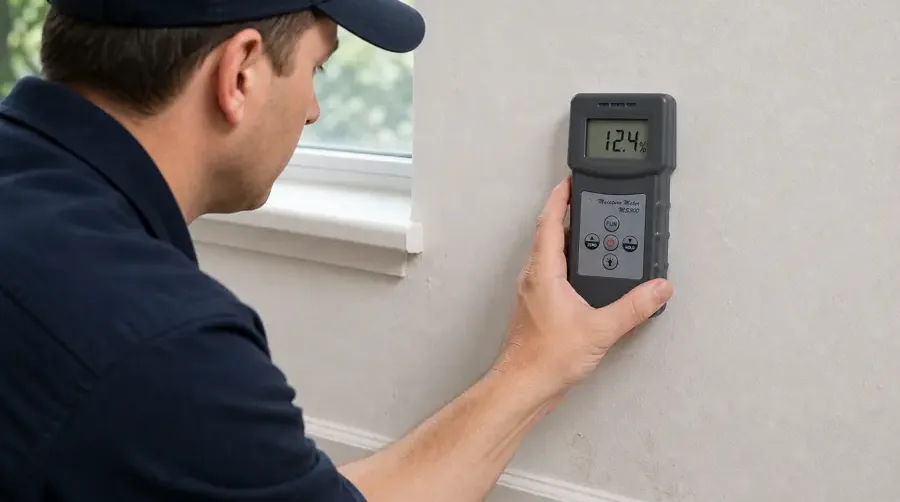
Measured drying for Hatboro properties
The restoration team maps wet materials, extracts bulk water, places equipment for the class of loss, and logs readings until the drying goal is reached.
Each plan follows the water category, material class, access, and daily measurements rather than a calendar.
How the dry-out process worksHow the work stays focused and verifiable
Observed conditions set the work boundary, cleaning method, material access, equipment arrangement, monitoring schedule, and documented point of completion.
Local access planning
Road corridors and occupied uses inform routes without changing technical decisions.
Separate material choices
Flooring, walls, insulation, and contents are evaluated on their own condition.
Changing equipment layout
Machine positions respond to measurements rather than remaining fixed.
Traceable completion
Room labels connect photographs, actions, and closing measurements.
S500 principles applied to the complete wet assembly
A surface can look improved while insulation, a floor layer, a wall cavity, or a framing joint continues to retain moisture.
- 1
Map connected materials
Readings extend past stains into transitions and spaces below.
- 2
Recover open water
Direct extraction reduces the load left for evaporation.
- 3
Manage indoor vapor
Air movement releases moisture while dehumidifiers collect it.
- 4
Confirm the finish
Marked locations are compared with the selected dry target.
- Material groups identified
- Vapor load controlled
- Closing readings recorded
A record assembled during mitigation
Documentation begins before extraction changes visible conditions. The file includes opening source photographs, wet-boundary room diagram, contents and removal entries, equipment change history, final material comparisons.
Runoff, sewage, and sudden plumbing releases can receive different policy treatment. The insurance policy and carrier determine coverage, deductibles, limits, and payment for the reported loss.
What does borough water damage restoration cost?
Small sanitary-water assignments may range from $1,200 to $6,500. Wider spread, contaminated water, concealed cavities, and difficult access can raise costs from $7,000 to $30,000 or more.
Limited clean-water area
$1,200 to $6,500
- Limited room involvement
- Extraction plus monitoring
- Straightforward equipment access
Several wet assemblies
$6,500 to $16,000
- Several wet material groups
- Additional access openings
- More than one drying area
Contaminated or broad loss
$7,000 to $30,000+
- Dirty water or debris
- Complex contents movement
- Prolonged environmental control
Water category, square footage, access, material class, and the time before drying begins move the number most. Try the water damage cost calculator.
The water condition comes before material retention
Category sets the safety controls and what can stay.
Recent sanitary release
Supply water can allow more materials to remain when readings support drying.
Pipe recoveryUsed fixture discharge
Appliance or fixture water requires cleaning and closer material assessment.
Water extractionSewage or runoff
Contamination controls and selective removal come before drying.
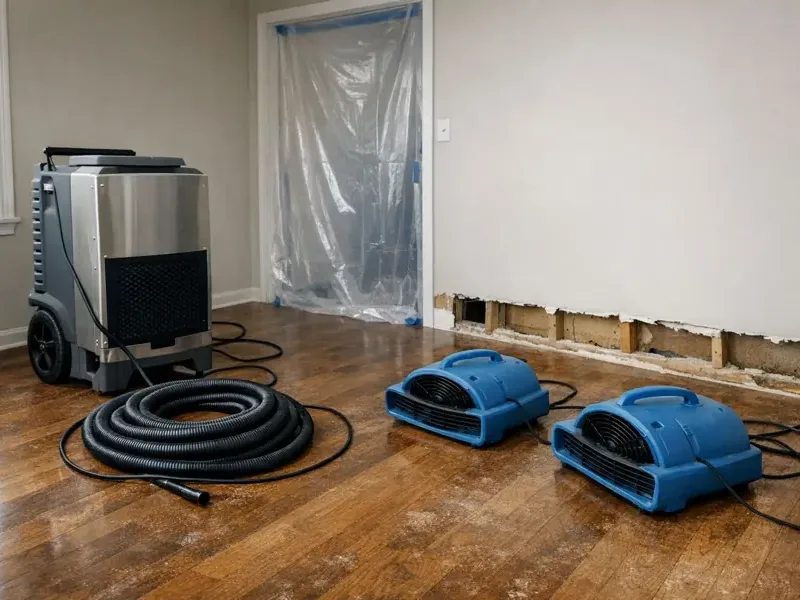
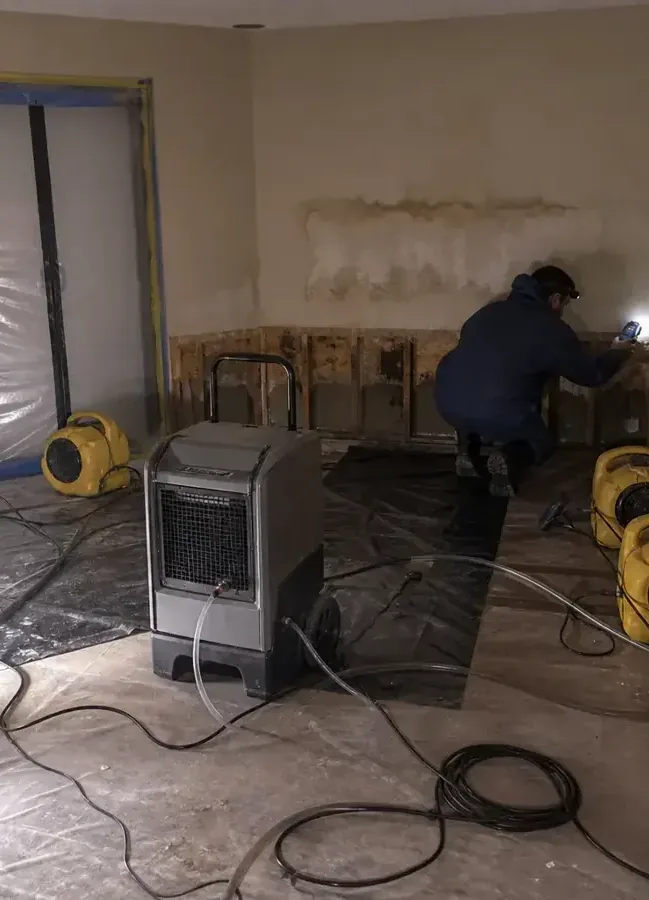
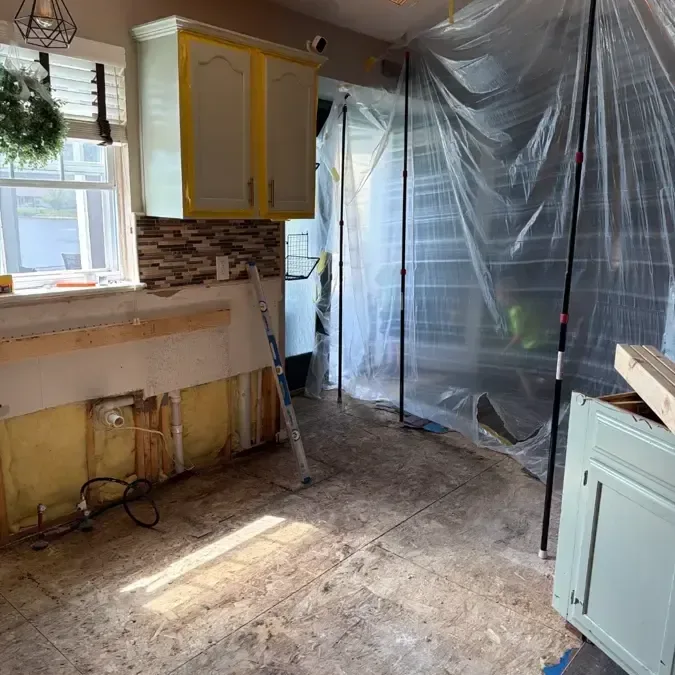
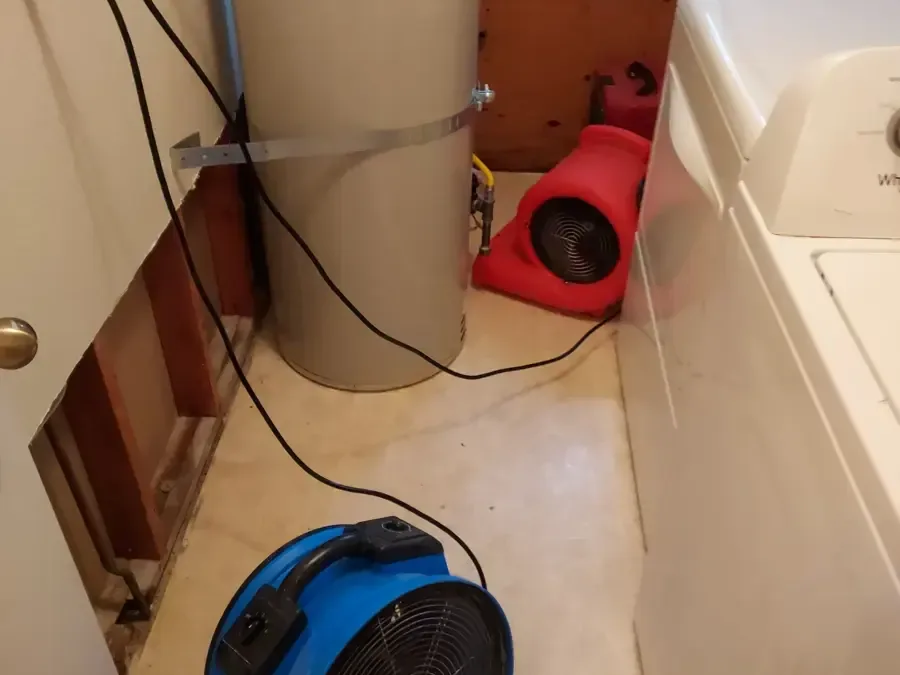
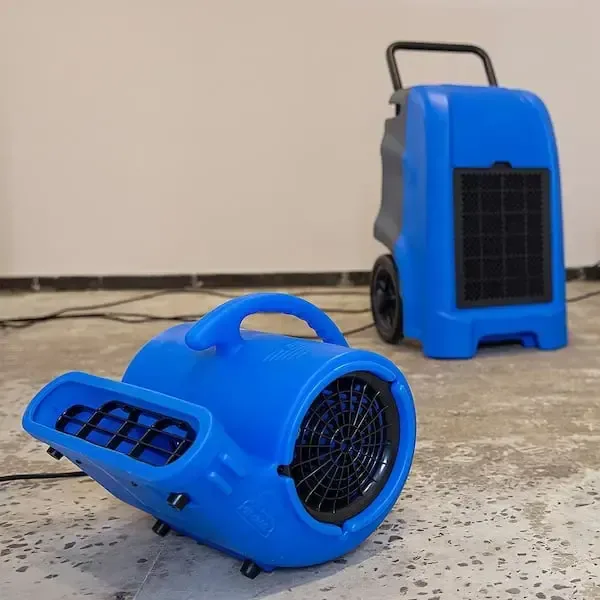
Contaminated cleanupEquipment and access used during a Hatboro water loss
Water damage coverage across Hatboro, PA
ZIP codes
- 19040
The response team asks for the cross street and wet floor when dispatch begins.
Named local places
One request starts a property-specific assessment
Scheduling covers residences, rentals, schools, civic spaces, and businesses across the borough. The opening conversation identifies utilities, contamination concerns, affected rooms, and safe entry conditions.
Glenside Water Damage Restoration
Hatboro, PA, Montgomery County
Around the clock, every day
Drainage, utilities, permits, and occupied properties
Creek drainage, utility service, rental occupancy, and borough repair requirements influence planning. Inspection determines the work needed inside each property.
Creek context: Pennypack Creek travels through central Hatboro and underneath the York Road corridor.
- Central drainage feature The creek location describes community drainage, not the mapped status of a particular parcel.
- Public utility setting Aqua Pennsylvania supplies water and the joint authority provides sewage service.
- Work requiring permits Plumbing, sewer hookup, heater, and roofing projects can involve borough permit requirements.
- Rental oversight Every rental unit requires a borough license and recurring fire marshal inspection.
- Occupancy and access A rented unit needs coordination with its property contact. Work routes should account for belongings, occupied rooms, and access restrictions.
Questions after water enters a property
Which action matters most at the beginning?
People need protection from electrical, structural, and contamination hazards. A safe source control and photographs can follow when conditions permit.
How far can water travel beyond a puddle?
Floor seams, thresholds, wall bases, and cavities may carry moisture into another room. Instruments establish the boundary after visible liquid is removed.
Where does flood cleanup begin in Hatboro?
Pennypack Creek runs through the borough. At an affected building, technicians begin with safe access, the visible entry route, and the rooms reached by water. Contamination and wet materials determine the cleanup plan.
Why might a finish need to be opened?
Limited access can expose trapped liquid, wet insulation, contamination, or a surface that airflow cannot reach. The observation should support the opening.
Who repairs plumbing, heaters, or roofing?
The appropriate building trade corrects the failed component. The restoration assignment covers extraction, cleaning, materials, drying, and mitigation records. See sewage cleanup details for contaminated-water steps.
How does monitoring change the drying setup?
Readings show which section is improving slowly. Technicians may reposition machines, expose another edge, or redefine the controlled area from that evidence.
What information is useful for an insurer?
Room photographs, source findings, moisture locations, contents actions, removal records, machine dates, and closing comparisons provide a clear chronology.
Do permit rules apply to water extraction?
Extraction itself differs from plumbing, sewer hookup, heater, or roofing work. Permit questions depend on the repair activity included in the project.
Which local areas receive service?
Properties around York Road, Moreland Avenue, Jacksonville Road, Hatboro station, and elsewhere in the borough can request assistance.
Active water damage deserves a measured next step
Source facts, material readings, and room records shape the recovery.