Water Damage Restoration Upper Dublin, PA
Across this Montgomery County township, water losses receive source checks, careful extraction, material-specific drying, and a record of changing moisture conditions for each affected room.
(888) 557-1733Describe the water problem- 24/7 response
- Measured drying
- Room-by-room records
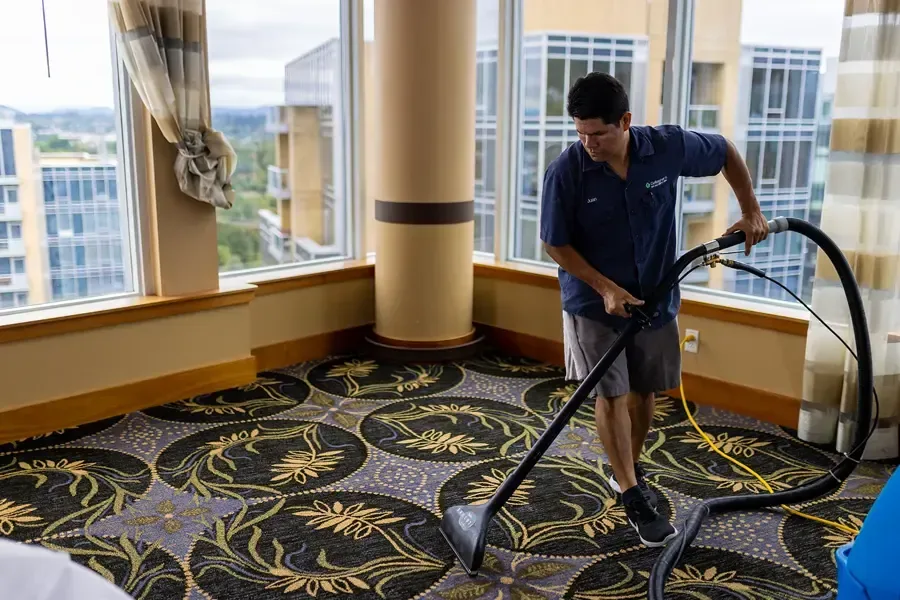
Equipment and hose routes follow the wet area while keeping access clear.
Protect people and preserve the original conditions
Protect people first, document the scene, and keep the wet area from growing.
- 1
Stop only a safe source
Close an accessible valve safely; avoid wet electrical parts.
- 2
Limit movement
Keep occupants out of sewage, unstable rooms, slick areas, and beneath wet ceilings.
- 3
Record the water path
Photograph the source, finishes, contents, and dry boundaries before items move.
- 4
Separate dry belongings
Relocate portable items without carrying moisture through dry parts of the property.
- 5
Request measured mitigation
A mitigation team can classify water, map materials, extract liquid, and set drying goals.
Water cleanup choices for local properties
Each service addresses a distinct source, water condition, affected assembly, or occupancy need.
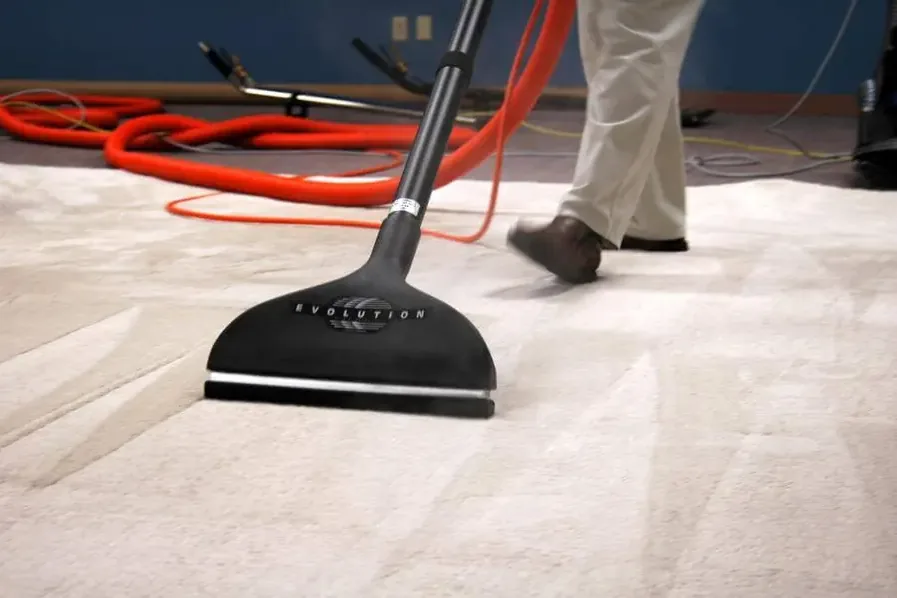 01Water Extraction & RemovalStanding water removed before it spreads into walls and subfloors.View service
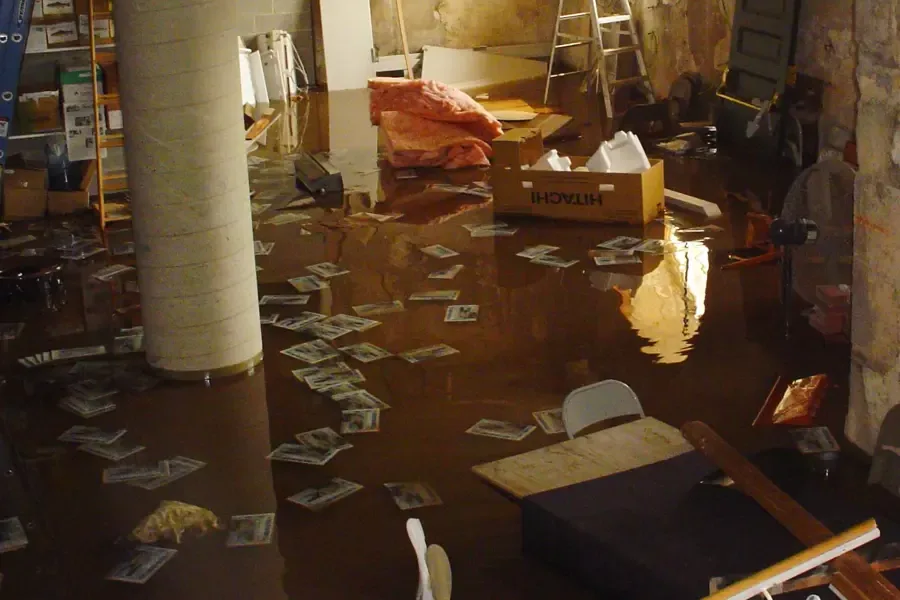 02Basement Flooding CleanupLower-level water pumped out, mapped, and dried.View service
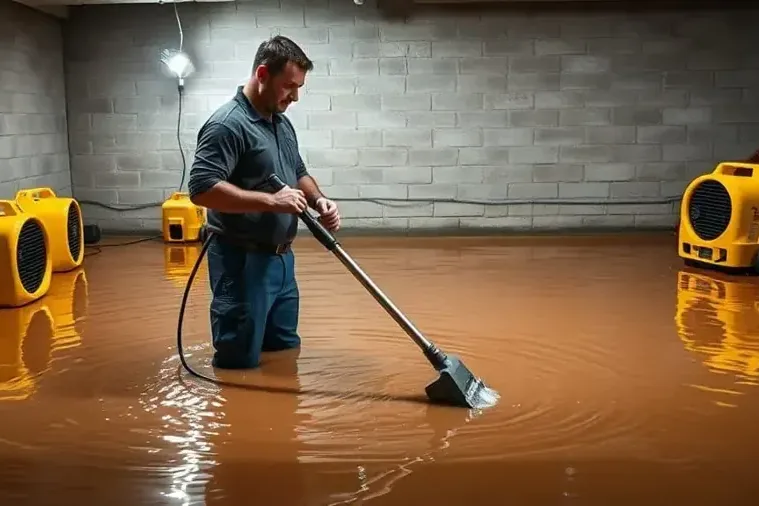 03Sump Pump Failure CleanupOverflow after a failed pump extracted and the wet assembly dried.View service
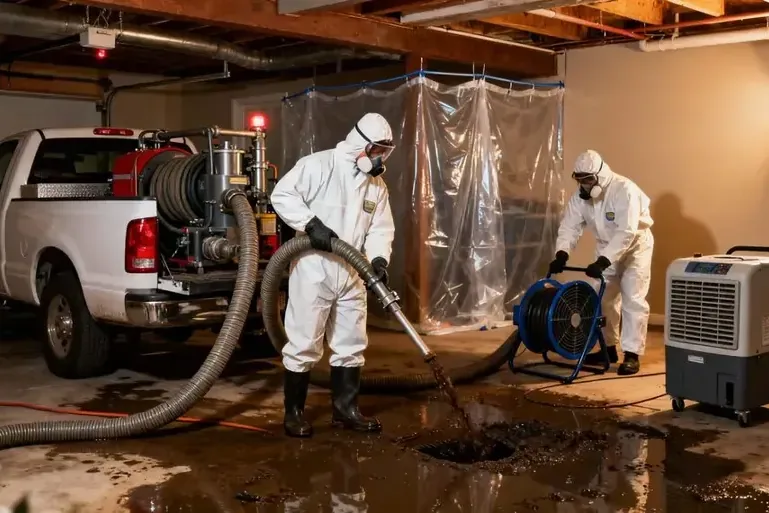 04Sewage CleanupCategory 3 water contained, removed, and treated safely.View service
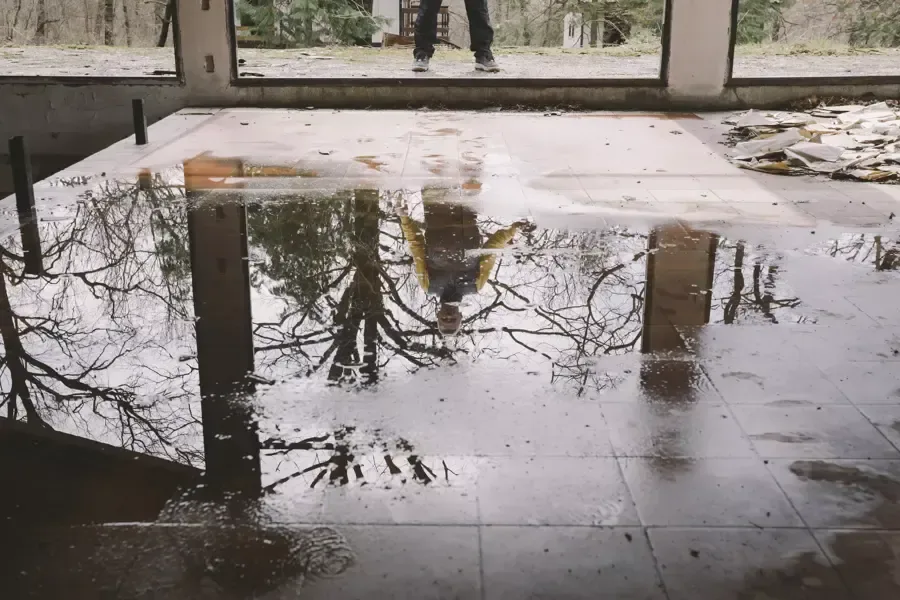 05Flood CleanupOutside water removed with contaminated-material controls.View service
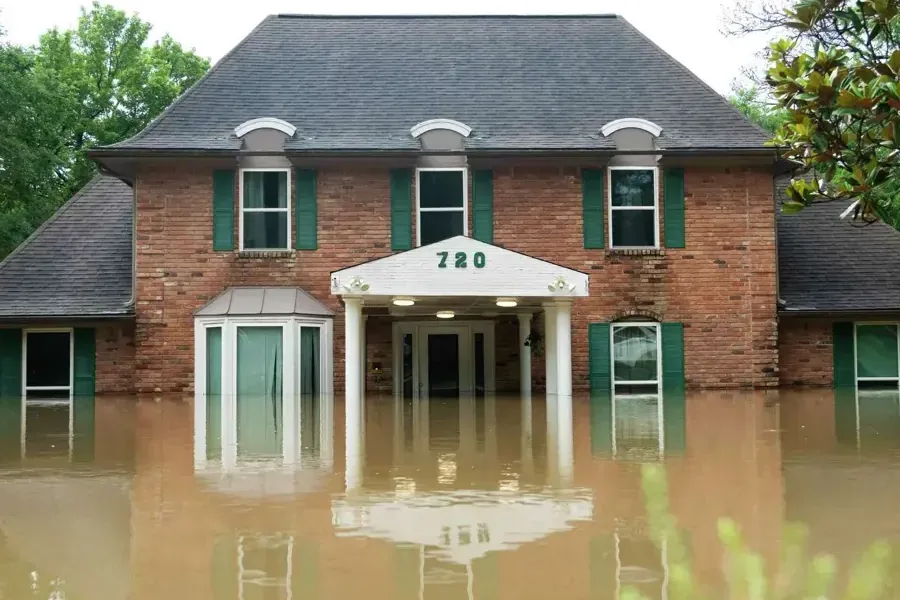 06Storm Water Damage CleanupRain and runoff losses extracted and dried.View service
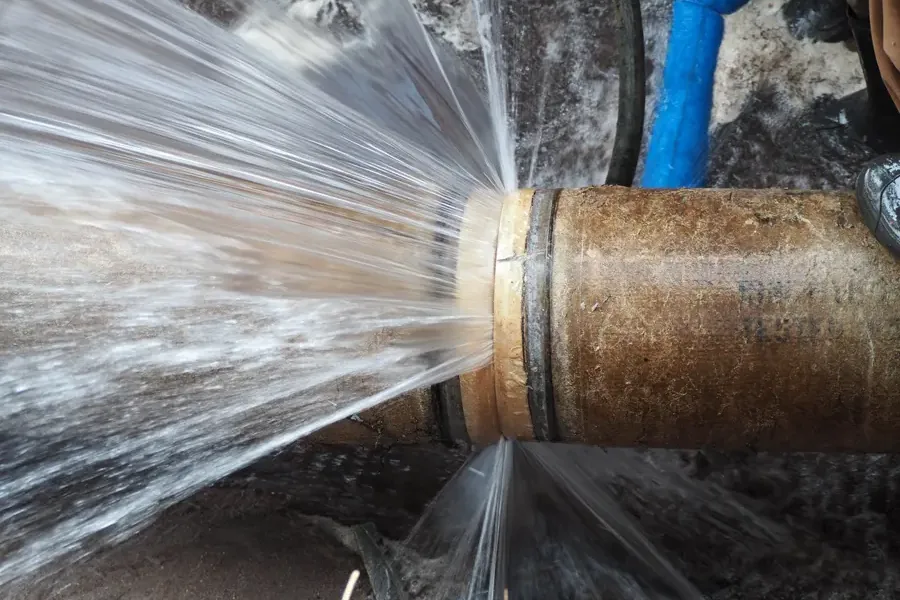 07Burst Pipe CleanupSupply-line releases stopped, extracted, and dried inside cavities.View service
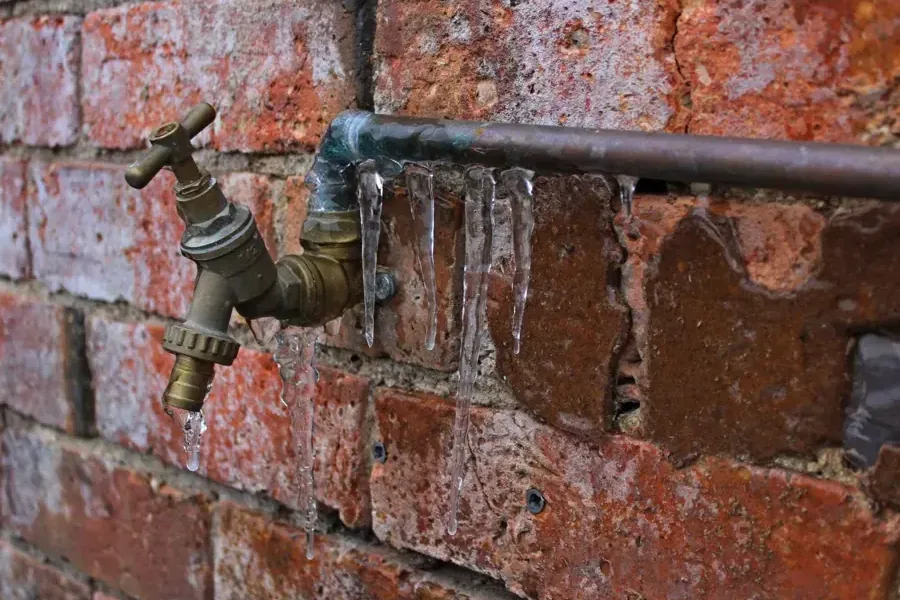 08Frozen Pipe CleanupCold-weather pipe splits handled before thawed water spreads.View service
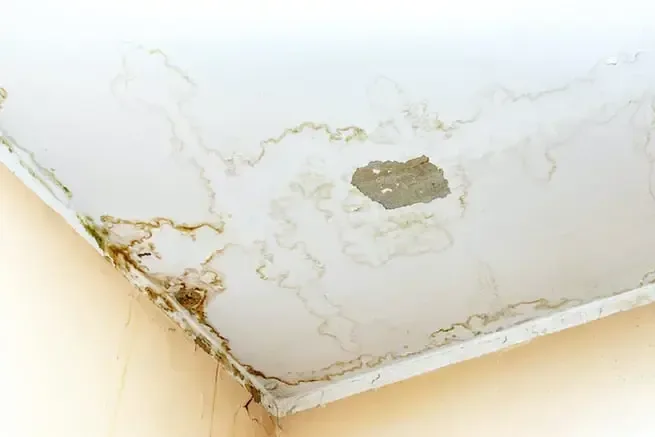 09Ceiling Leak Water DamageOverhead leaks traced and joist bays dried.View service
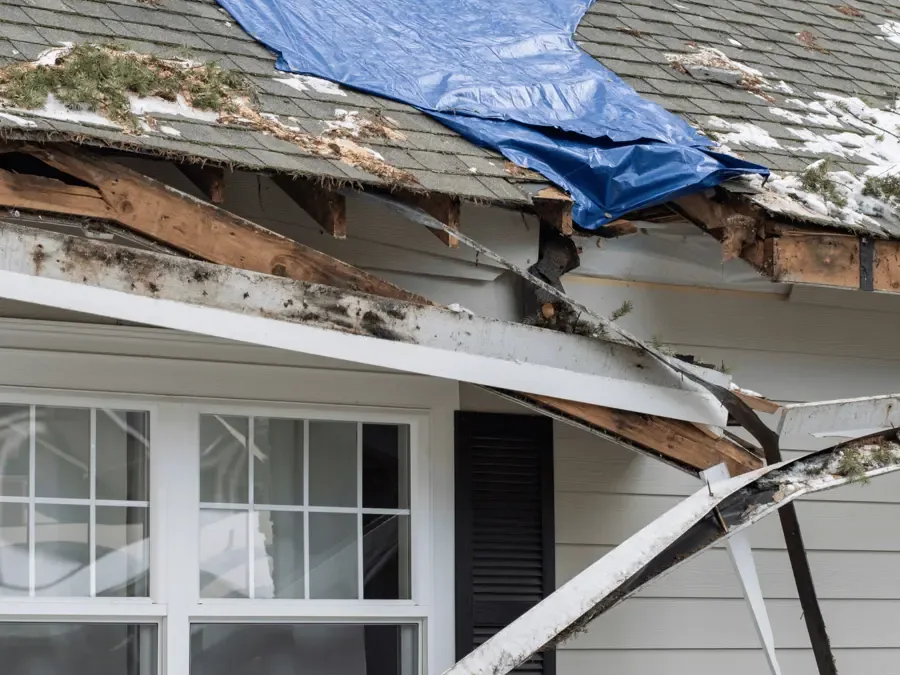
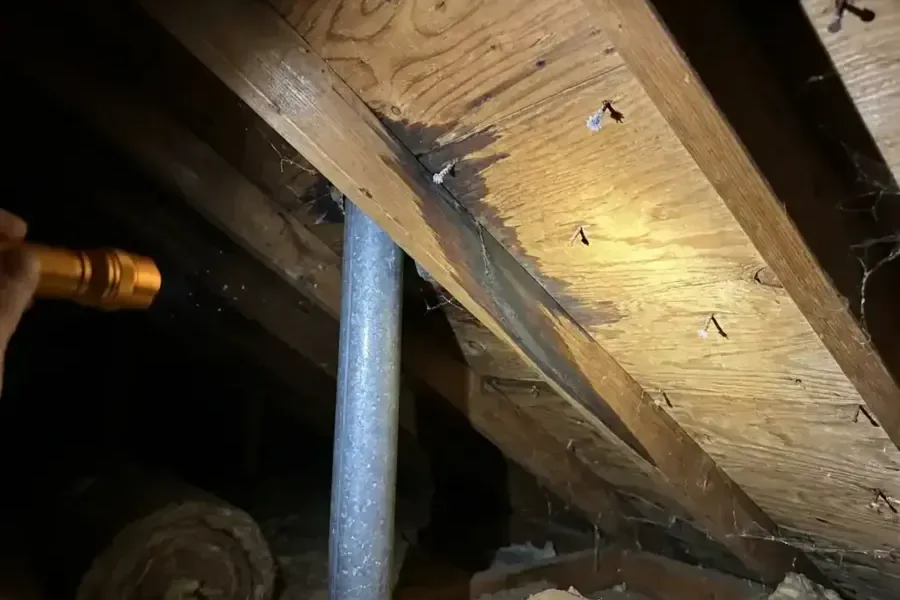 10Roof Leak Water DamageWet insulation and ceiling assemblies opened and dried.View service
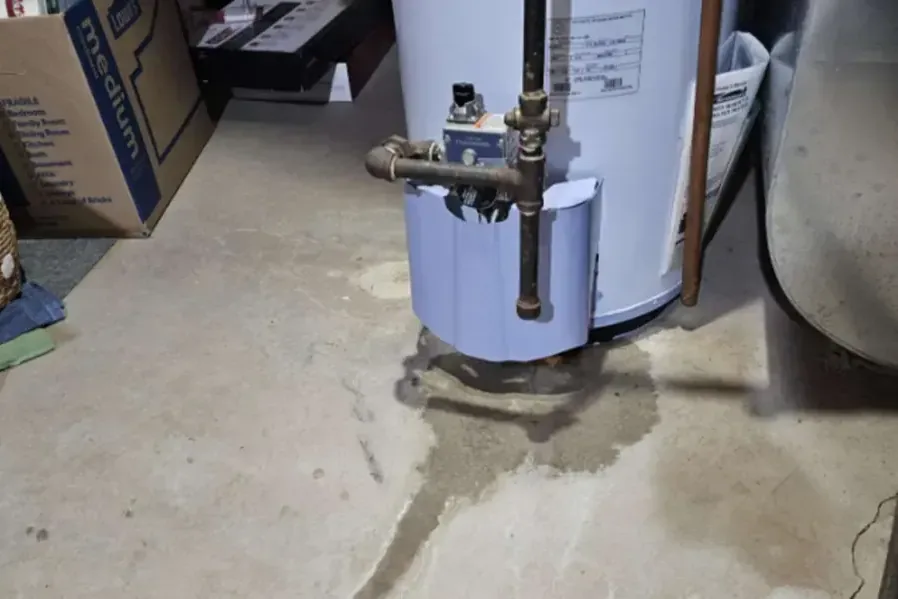 11Water Heater Failure CleanupTank releases extracted before wall and floor materials wick water.View service
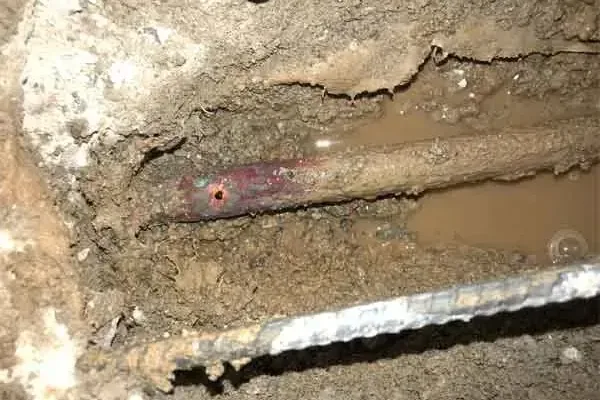 12Slab Leak Water DamageHidden supply water mapped across floors and wall bottoms.View service
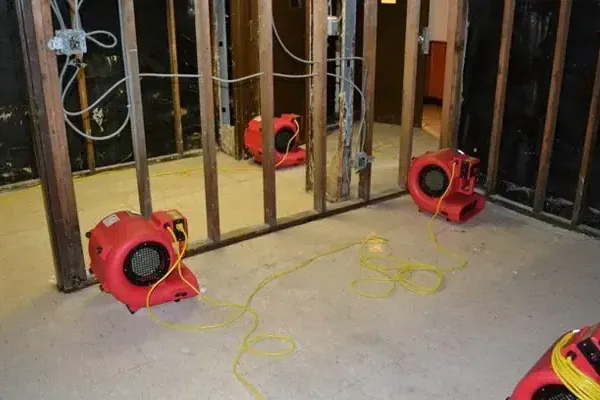 13Structural Drying & DehumidificationFraming, subfloor, plaster, and masonry dried to measured goals.View service
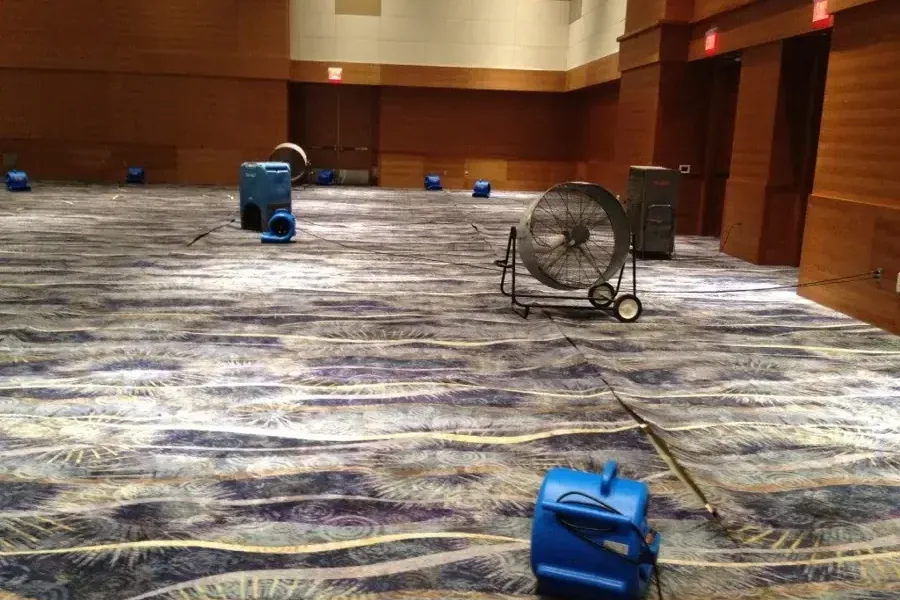 14Commercial Water Damage RestorationShops, offices, schools, and shared buildings dried in planned phases.View service Water source unclear?Describe the water path and the wet rooms.(888) 557-1733 Plan the cost rangeAnswer four questions for a planning figure.Open the calculator
Measured drying for Upper Dublin Township properties
The restoration team maps wet materials, extracts bulk water, places equipment for the class of loss, and logs readings until the drying goal is reached.
Each plan follows the water category, material class, access, and daily measurements rather than a calendar.
How the dry-out process worksInspection determines the recovery sequence
Township history or a community name cannot reveal what is wet. Direct observations and repeatable measurements control each material decision.
Source separated
Plumbing repair and building mitigation remain clearly defined assignments.
Water classified
Sanitary water, used water, sewage, and runoff require different controls.
Materials compared
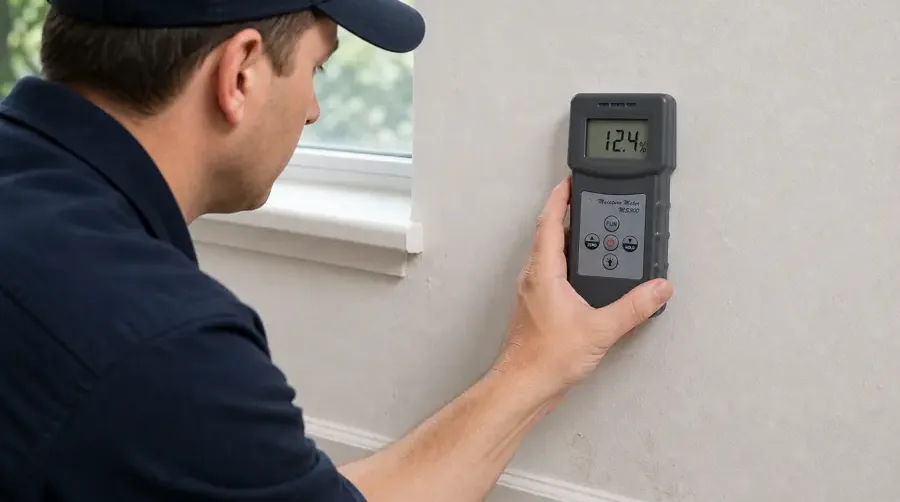
Readings from affected and dry references reveal progress that touch cannot.
Work documented
Photographs, moisture locations, equipment notes, and removal decisions create a coherent file.
Drying continues until materials meet targets
A dry-looking surface can hide moisture at a seam, wall base, cabinet, or floor transition. Marked readings test real progress.
- 1
Survey
Technicians identify affected rooms, assemblies, and concealed edges with suitable instruments.
- 2
Reduce
Extraction and necessary material access lower the moisture load before evaporation.
- 3
Balance
Air movement and dehumidification are adjusted around observed materials and room conditions.
- 4
Confirm
Final comparisons support the decision to remove equipment or continue controlled drying.
- Wet boundaries marked
- Humidity tracked
- Dry references compared
Claim-ready records
Useful factual evidence develops throughout each mitigation stage. The file includes source and first-condition photographs, room moisture locations, extraction and removal notes, equipment placement entries, closing material comparisons.
Supply water, runoff, and backups can receive different treatment under policy terms. The carrier decides coverage and payment; the mitigation file explains observed conditions and completed work.
What can a water loss cost?
A contained sanitary-water event may fall between $1,200 and $6,500. Wider wet areas, contamination, concealed materials, or complex access can place work between $7,000 and $30,000 or more.
Contained clean-water area
$1,200 to $6,500
- Defined moisture boundary
- Direct liquid recovery
- Opening material readings
Connected wet rooms
$6,500 to $16,000
- Several affected assemblies
- Coordinated equipment zones
- Ongoing progress checks
Broad or contaminated loss
$7,000 to $30,000+
- Controlled removal areas
- Sanitation and detailed records
- Longer monitored drying
Water category, square footage, access, material class, and the time before drying begins move the number most. Try the water damage cost calculator.
Three categories shape handling decisions
Category sets the safety controls and what can stay.
Used appliance water
Discharge requires cleaning and assessment of porous finishes.
Inspect dryingSewage or runoff
Unsafe water requires isolation, removal, cleaning, and protection.
See sewage serviceTools used to expose, remove, and dry water
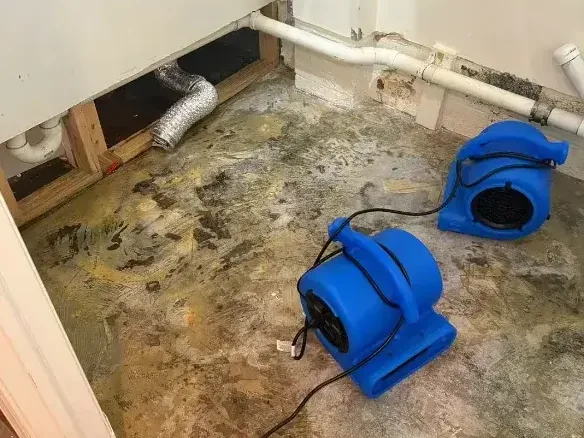
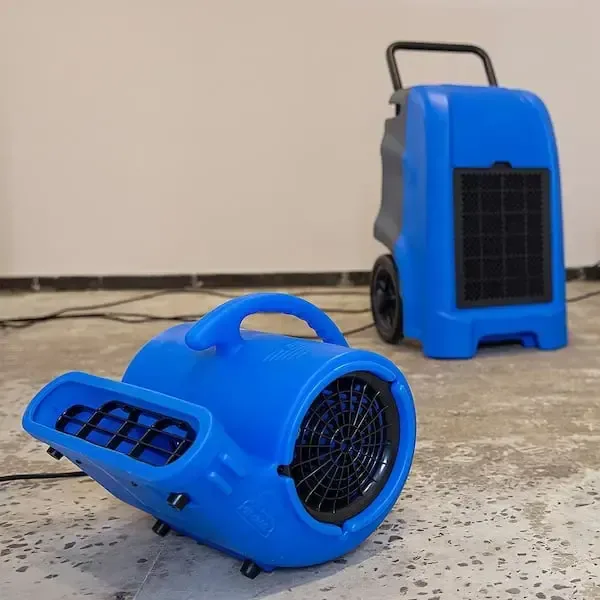
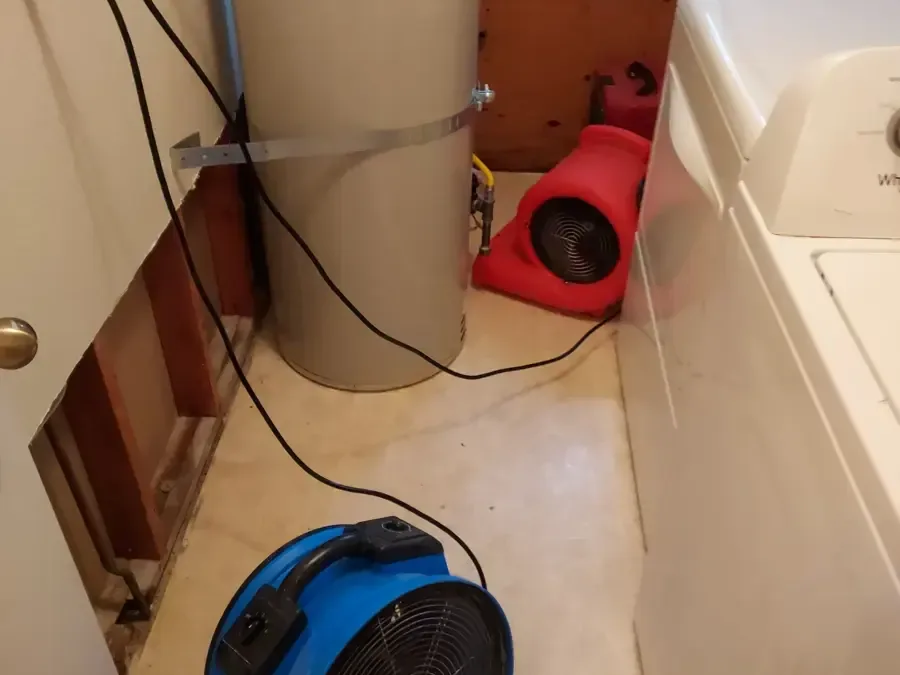
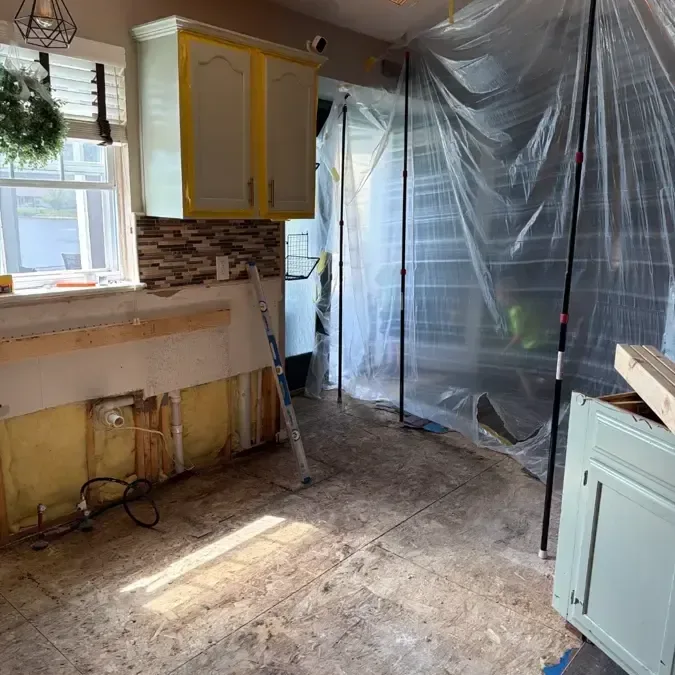
Water damage coverage across Upper Dublin Township, PA
ZIP codes
- 19002
- 19025
- 19034
The response team asks for the cross street and wet floor when dispatch begins.
Named local places
Share the source and affected rooms
Coverage includes homes, schools, and business properties around Fort Washington, Maple Glen, Dresher, and Jarrettown. Describe ongoing flow, the wet level, visible contamination, and any electrical or ceiling concern before access begins.
Glenside Water Damage Restoration
Upper Dublin Township, PA, Montgomery County
Around the clock, every day
Drainage, storms, and infrastructure
Regional drainage and documented events provide context, but inspection establishes conditions at a specific building.
September 1, 2021: An EF2 tornado affected Fort Washington and Maple Glen during a severe storm.
- Creek drainage Most township drainage reaches Wissahickon Creek; smaller areas drain toward Neshaminy Creek and Pennypack Creek.
- Severe weather The tornado record supports storm preparation without proving damage at one address.
- Water-main releases Officials reported a large Fort Washington main break, but each current loss requires source confirmation.
- Wastewater transition A watertight pump station and wastewater transfer to Ambler form part of the sewer upgrade.
- Property variation The township shifted from farmland toward a residential suburb, while observed construction still controls recovery choices.
Upper Dublin Water Damage Questions
What should happen first after indoor water is found?
Protect occupants, control an accessible source only when safe, and photograph the original conditions. Moisture mapping should precede broad removal or drying decisions.
Does the township drainage pattern prove a home can flood?
No. Wissahickon Creek and other waterways describe regional drainage. Property observations and authoritative mapping establish address-specific conditions.
Can wet finishes stay in place?
Water condition, material response, attachment, access, and time wet all matter. Inspection determines whether cleaning and drying are reasonable or removal is needed.
How is sewage work separated from plumbing repair?
Mitigation contains contaminated water, removes affected porous material, cleans surfaces, and dries retained assemblies. A plumbing trade corrects the failed drain or fixture.
Why are readings taken more than once?
Repeat measurements at marked locations show whether evaporation and dehumidification are working. They also prevent appearance alone from ending the dry-out.
What documents help explain a loss?
Photographs, affected-room lists, moisture maps, extraction notes, equipment entries, material decisions, and closing comparisons establish a clear sequence.
Does a Fort Washington main break establish the cause here?
No. That report confirms a local event only. A current building needs its own source investigation before responsibility or scope can be discussed.
Where is service available in the township?
Work is available around Maple Glen, Dresher, Jarrettown, Fort Washington, and the rest of Upper Dublin Township. View the township service hub for options.
When should structural drying begin?
After safety, source control, extraction, and material decisions are addressed. See structural drying for the measurement sequence.
Water affecting a local property? Start with clear facts.
The team maps moisture, removes water, and tracks drying by material.