Water Damage Restoration Springfield Township, PA
From Wyndmoor to Flourtown, property losses need safe source control, careful extraction, material decisions, and drying verified with moisture readings rather than appearances.
(888) 557-1733Discuss the water loss- Moisture mapping
- Controlled extraction
- Documented drying
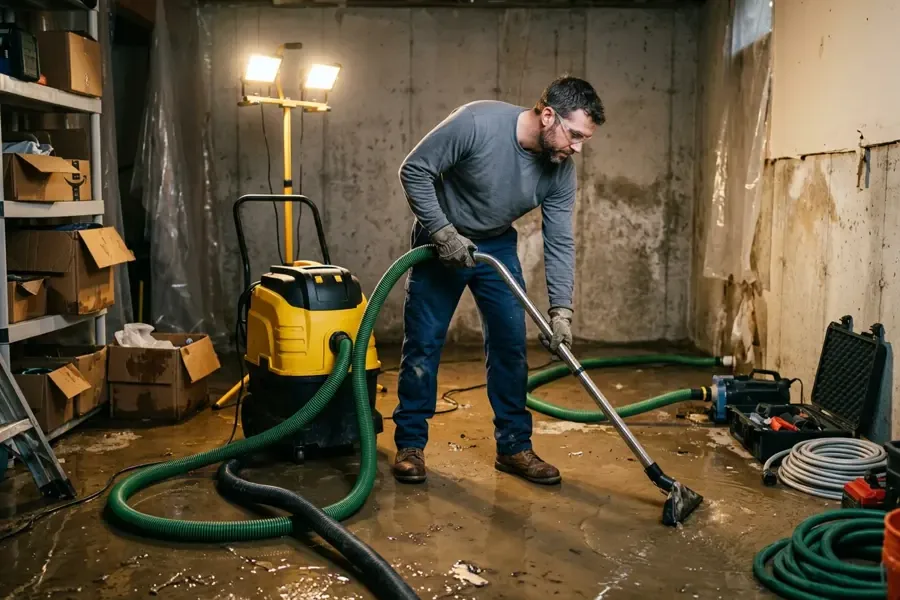
Basement water removal comes before moisture checks and drying of retained materials.
Protect people and preserve useful loss records
Protect people first, document the scene, and keep the wet area from growing.
- 1
Avoid hazards
Keep away from water near electricity, sagging finishes, sewage, and unstable materials.
- 2
Control flow
Use a safe accessible shutoff or contact the proper provider.
- 3
Photograph conditions
Record the source, water path, contents, and room boundaries before movement.
- 4
Protect dry items
Move portable dry belongings without crossing contaminated or unsafe areas.
- 5
Describe the loss
Share when noticed, whether flow continues, and which spaces appear affected.
Choose the response that matches the source
Each service begins with observed conditions, not assumptions about local construction.
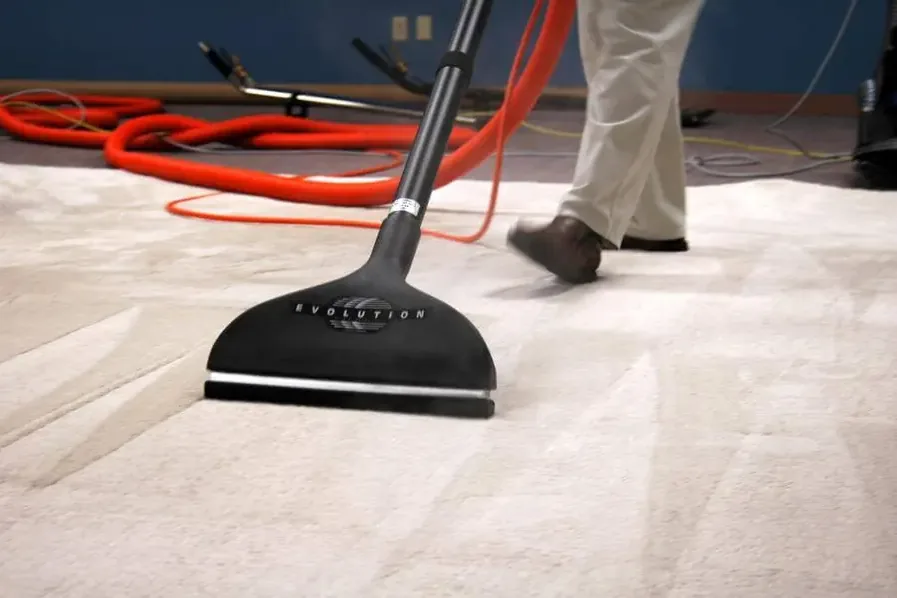 01Water Extraction & RemovalStanding water removed before it spreads into walls and subfloors.View service
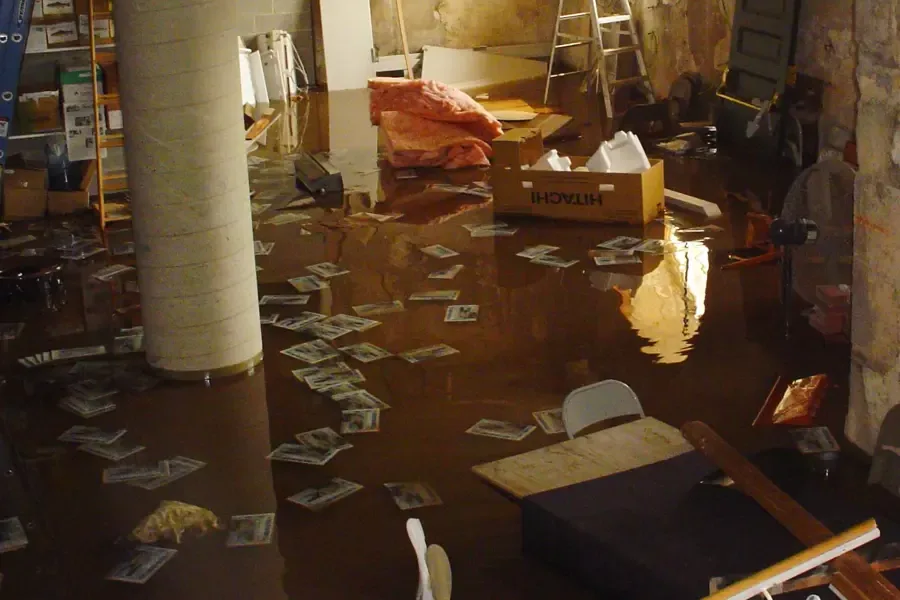 02Basement Flooding CleanupLower-level water pumped out, mapped, and dried.View service
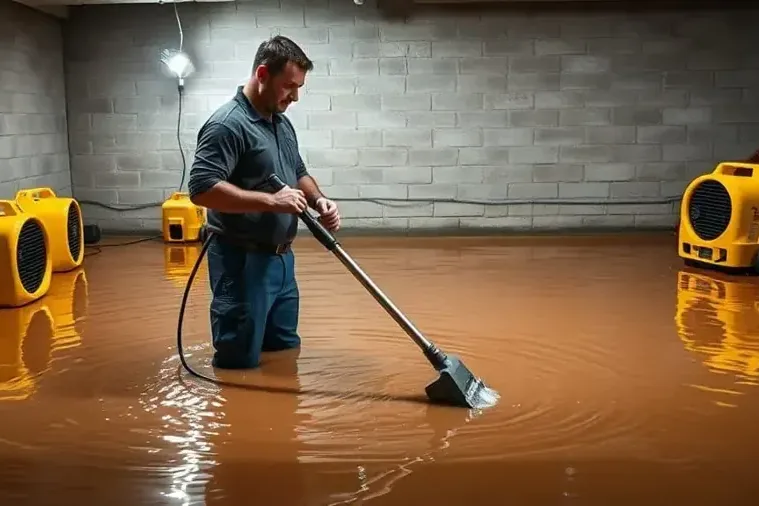 03Sump Pump Failure CleanupOverflow after a failed pump extracted and the wet assembly dried.View service
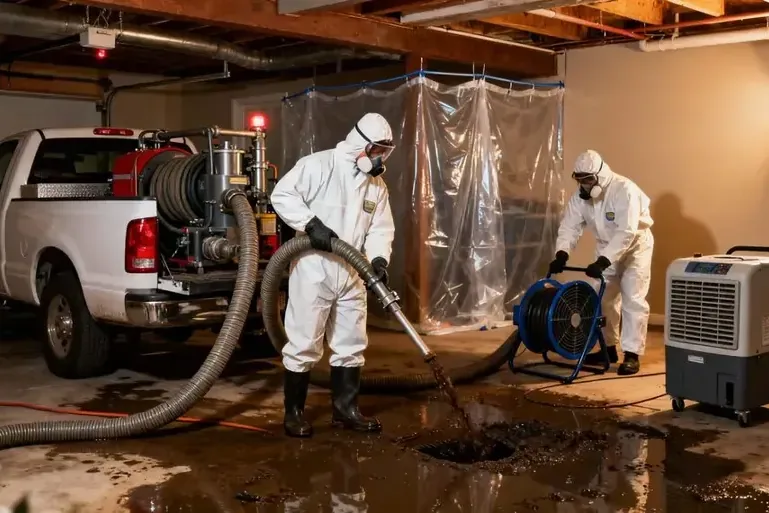 04Sewage CleanupCategory 3 water contained, removed, and treated safely.View service
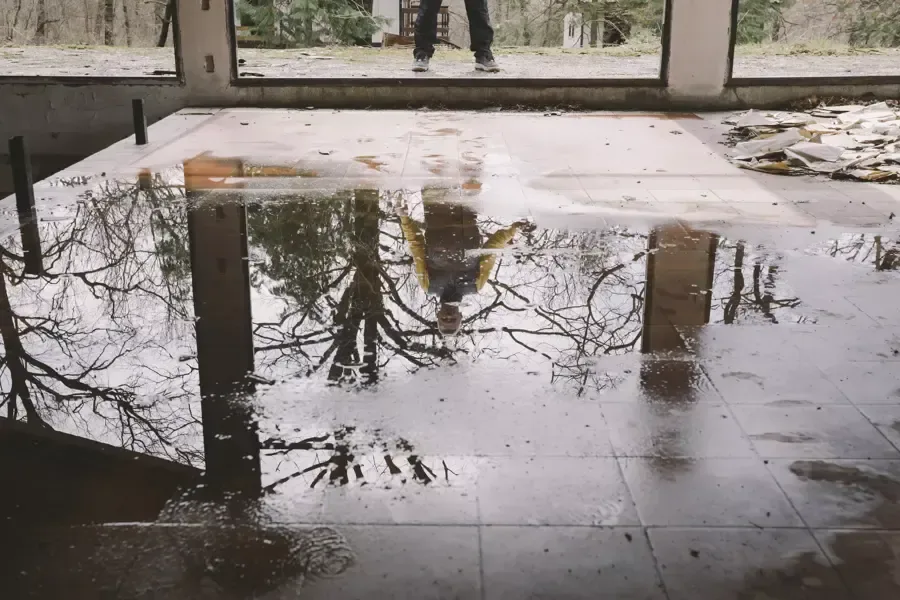 05Flood CleanupOutside water removed with contaminated-material controls.View service
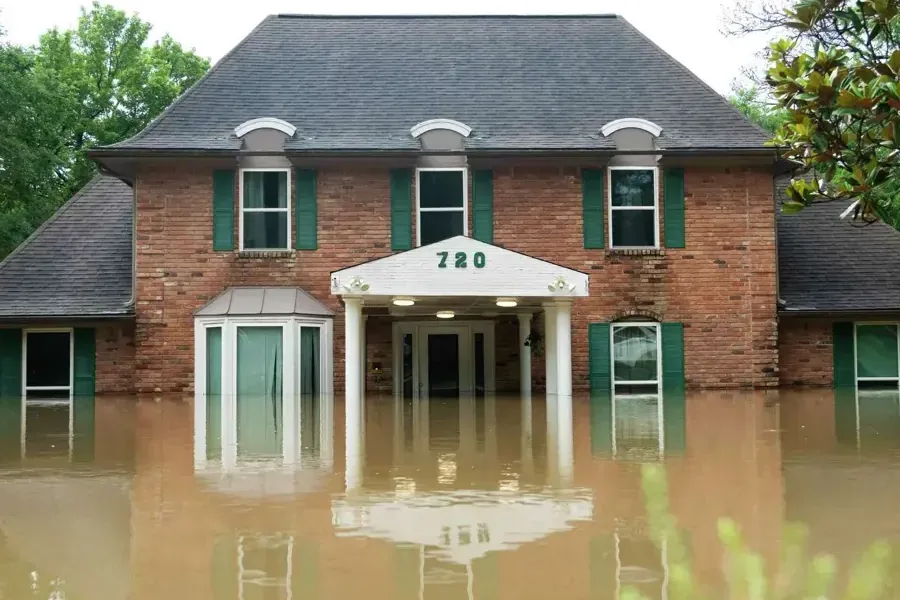 06Storm Water Damage CleanupRain and runoff losses extracted and dried.View service
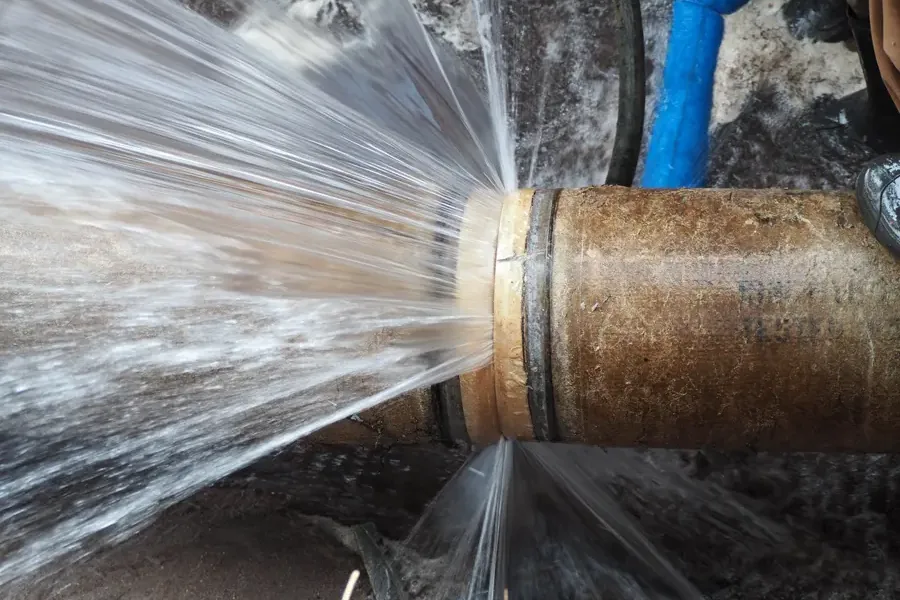 07Burst Pipe CleanupSupply-line releases stopped, extracted, and dried inside cavities.View service
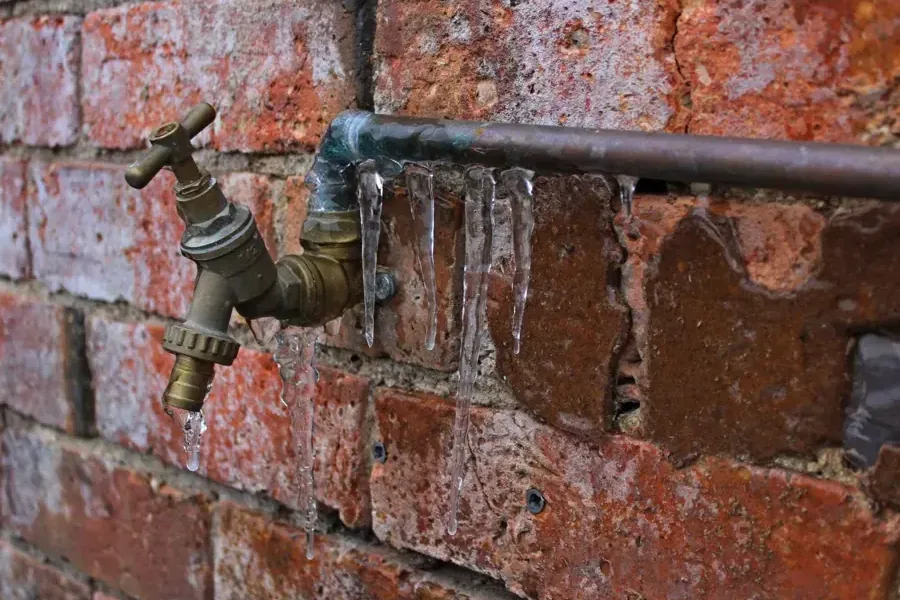 08Frozen Pipe CleanupCold-weather pipe splits handled before thawed water spreads.View service
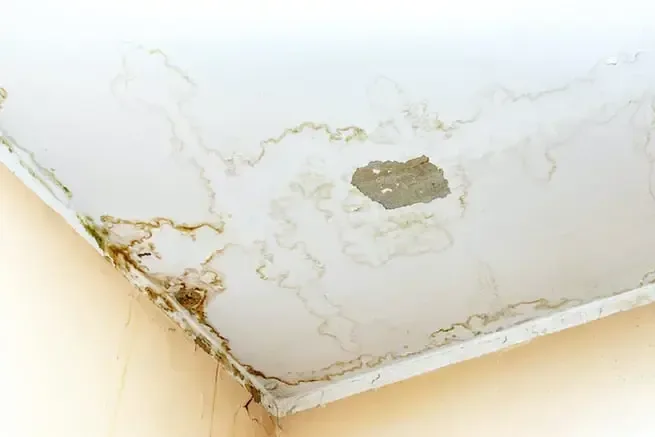 09Ceiling Leak Water DamageOverhead leaks traced and joist bays dried.View service
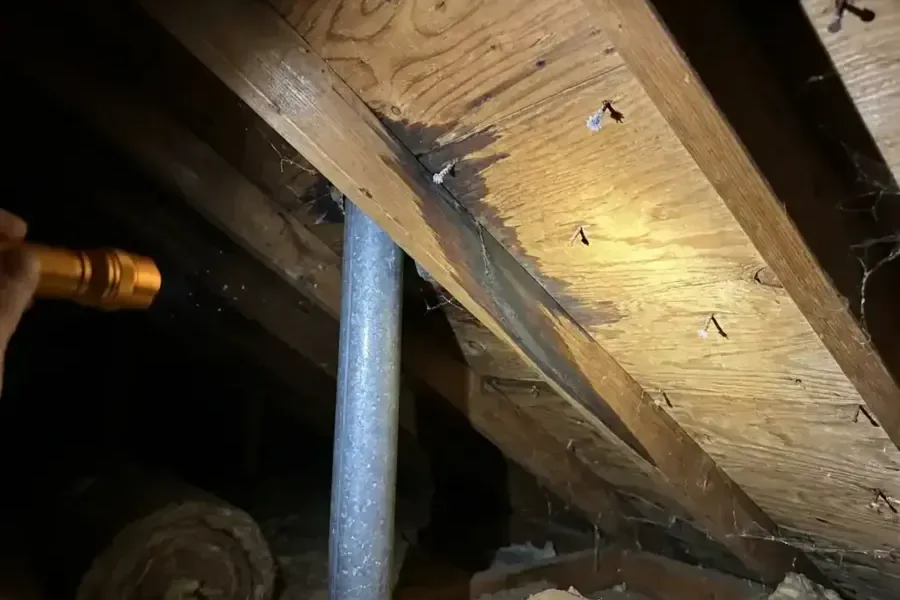 10Roof Leak Water DamageWet insulation and ceiling assemblies opened and dried.View service
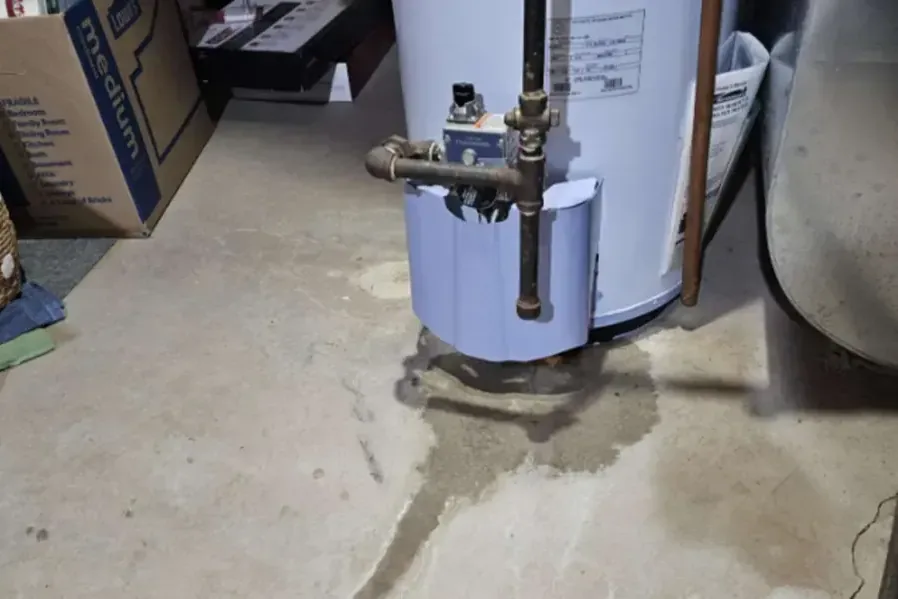 11Water Heater Failure CleanupTank releases extracted before wall and floor materials wick water.View service
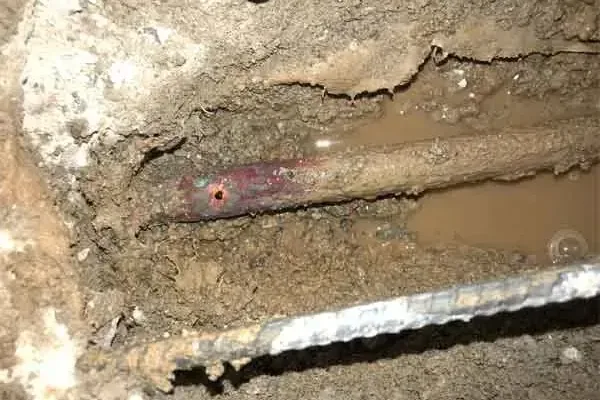 12Slab Leak Water DamageHidden supply water mapped across floors and wall bottoms.View service
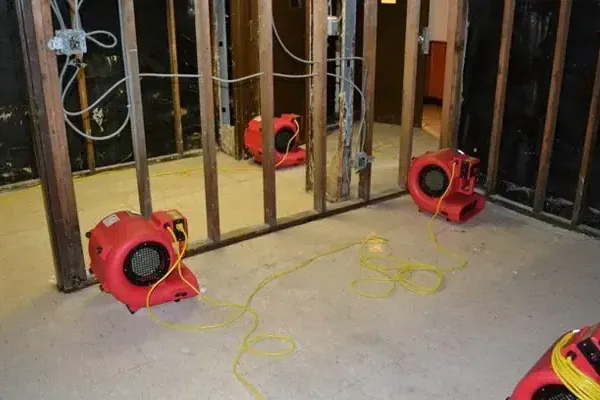 13Structural Drying & DehumidificationFraming, subfloor, plaster, and masonry dried to measured goals.View service
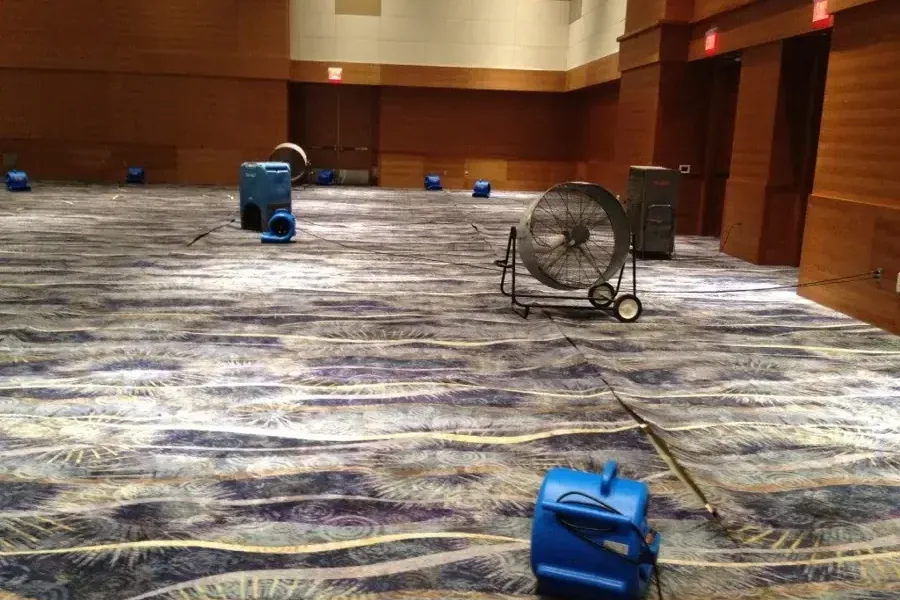 14Commercial Water Damage RestorationShops, offices, schools, and shared buildings dried in planned phases.View service Water source unclear?Describe the water path and the wet rooms.(888) 557-1733 Plan the cost rangeAnswer four questions for a planning figure.Open the calculator
Measured drying for Springfield Township properties
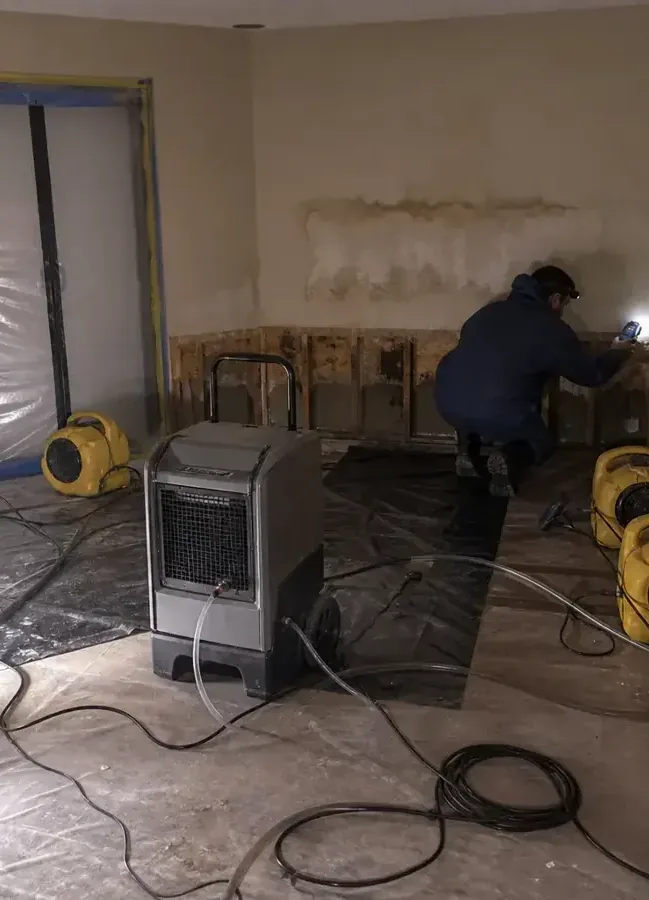
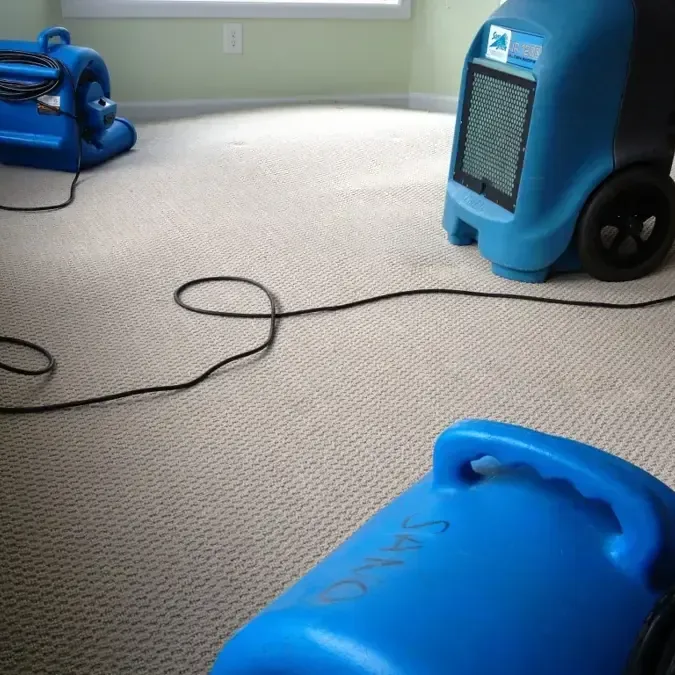
The restoration team maps wet materials, extracts bulk water, places equipment for the class of loss, and logs readings until the drying goal is reached.
Each plan follows the water category, material class, access, and daily measurements rather than a calendar.
How the dry-out process worksDrying follows the materials found on site
The mitigation team compares wet readings with dry references, then adjusts equipment as the moisture boundary changes.
Source first
The active release is stopped or referred before drying proceeds.
Clean boundaries
Room mapping separates wet surfaces from protected dry areas.
Material assessment
Porous and nonporous finishes receive decisions based on contamination and condition.
Completion evidence
Final readings show whether targeted materials reached an dry reference.
From source control through final moisture checks
A disciplined sequence keeps extraction, cleaning, material removal, structural drying, and completion records tied to observed property conditions, with safety checks before each stage.
- 1
Define
Identify the source, contamination level, wet materials, and safe work boundaries.
- 2
Remove
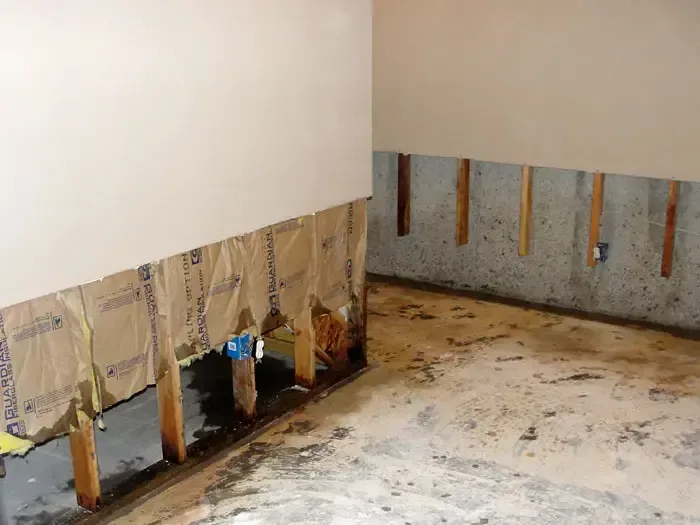
Extract accessible water and take out material that cannot be safely restored.
- 3
Control
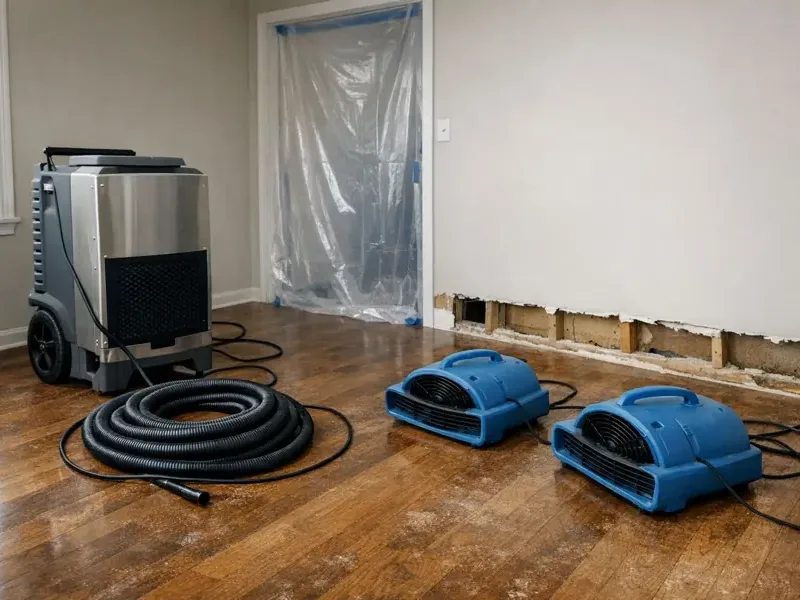
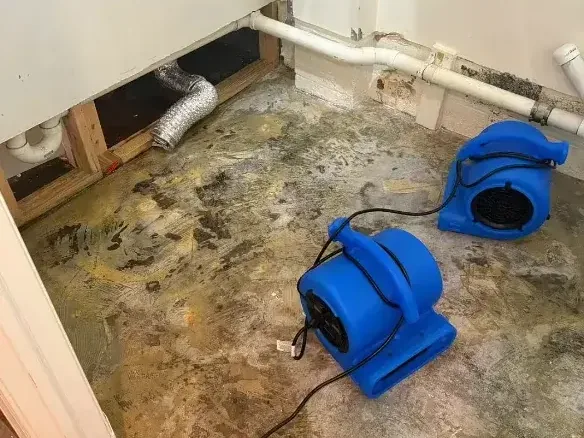
Place drying equipment to serve each zone while protecting unaffected spaces.
- 4
Confirm
Track readings and compare the target materials with suitable dry reference points.
- Inspect
- Stabilize
- Verify
Claim documentation
Useful files explain what happened and what changed. The file includes source and room photographs, mapped material moisture readings, equipment placement and changes, material removal notes, final comparison readings.
Keep repair details separate from extraction and drying records so each scope remains clear. Check policy terms and carrier instructions directly; cleanup records do not determine coverage.
Cost follows scope, access, and contamination
An estimate depends on the water source, affected surface area, material access, equipment needs, disposal, and the number of drying zones documented during inspection at the property.
Contained clean water
$1,200 to $6,500
- Limited wet area
- Extraction and drying
- Moisture records
Multi-room loss
$6,500 to $16,000
- Selective material access
- Multiple drying zones
- Detailed documentation
Sewage or flood
$7,000 to $30,000+
- Contamination controls
- Porous material removal
- Containment and filtration
Water category, square footage, access, material class, and the time before drying begins move the number most. Try the water damage cost calculator.
The source changes the cleanup controls
Category sets the safety controls and what can stay.
Supply water
Recent supply water may permit focused extraction when contamination has not entered.
Burst pipe cleanupUsed water
Used discharge requires added cleaning and closer material assessment.
Water extractionSewage or runoff
Sewage and runoff require containment and cautious porous-material decisions.
Sewage cleanupWhat controlled drying can involve
Water damage coverage across Springfield Township, PA
ZIP codes
- 19031
- 19038
- 19075
The response team asks for the cross street and wet floor when dispatch begins.
Named local places
A scope for homes and shared buildings
Housing varies, so access and containment follow the property found rather than a townwide assumption. Service also reaches schools and business spaces; explore local services and the complete service area for surrounding coverage.
Glenside Water Damage Restoration
Springfield Township, PA, Montgomery County
Around the clock, every day
Rain and winter cold create different losses
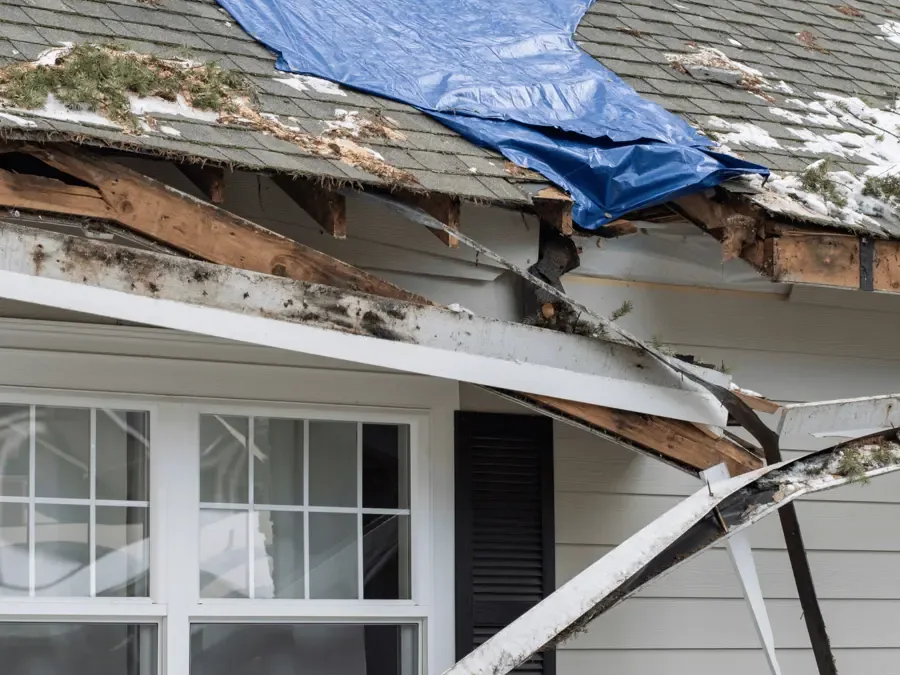
Heavy rain can enter through roof or wall openings, while freezing weather can expose vulnerable plumbing inside the affected building.
Seasonal planning No single weather pattern proves the source of water at a property.
- Rain entry Roof, wall, window, and grade conditions must be inspected before an interior path is assigned.
- Frozen plumbing Cold exposure may affect a pipe, but the actual split and material require property inspection.
- Pump overflow A present sump system should be checked for power, discharge, and the water source.
- Sewage release Occupants should avoid contact while contaminated rooms are isolated and evaluated.
- Hidden migration Water can move beneath finishes, making meter readings important beyond the visible stain.
Water damage questions
What should happen before extraction starts?
The source and electrical conditions should be addressed first. The crew then documents visible spread, checks contamination, and maps wet materials before selecting extraction equipment.
Does a wet surface always need removal?
No. The decision depends on material type, physical damage, contamination, access, and whether measured drying can restore the assembly without trapping moisture.
How is hidden moisture located?
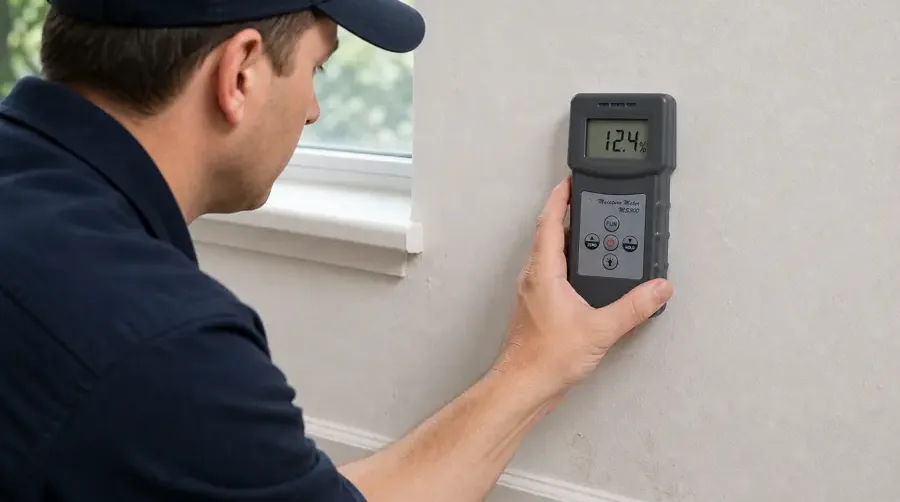
Technicians combine visual inspection with moisture meters and targeted checks along edges, cavities, and adjoining rooms. Readings define a boundary that appearances alone may miss.
Who repairs the source of a plumbing leak?
A qualified plumbing provider handles pipe, fixture, or equipment repair. The restoration team manages extraction, cleaning, material assessment, drying, and loss documentation.
Can occupants stay during cleanup?
That depends on contamination, electrical safety, access, noise, and the location of the affected rooms. The site assessment helps define safe occupied and work zones.
What records support an insurance discussion?
Photographs, a moisture map, equipment logs, removal notes, invoices, and final readings help explain the loss. The carrier decides how the policy applies.
How is drying completion decided?
The team compares affected materials with appropriate dry references and assessments the trend in readings. Equipment remains tied to measurable need, not a fixed calendar.
Does one utility serve every property?
No townwide assumption should be made. Aqua Pennsylvania serves customers here, while some residents use Philadelphia Water Department service; property records identify the actual provider.
Where can individual cleanup services be assessmented?
Start with the Springfield Township service hub and select the source-specific option that matches the observed loss and affected materials.
Turn visible water into a measured cleanup plan
Call with the source, rooms, and current safety concerns.