Water Damage Restoration Jenkintown, PA
A 24/7 response team removes water from borough homes and businesses, dries older finishes to measured goals, and records the work for an insurance claim.
(888) 557-1733Call before the wet area expands- 24/7 dispatch
- S500 drying method
- Recorded moisture checks
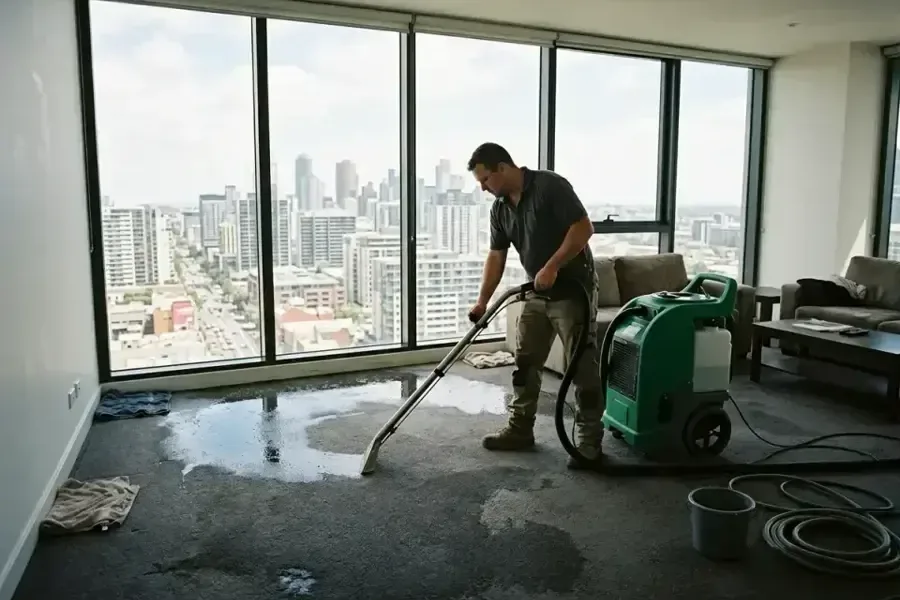
Carpet extraction lifts retained water before air movers and dehumidifiers finish the drying work.
What to do before water reaches more materials
Protect people first, document the scene, and keep the wet area from growing.
- 1
Control a safe source
Close an accessible valve, otherwise wait for the proper trade.
- 2
Restrict hazardous rooms
Avoid wet electricity, weak ceilings, sewage, and hidden walking surfaces.
- 3
Photograph original conditions
Capture the source, water route, finish edges, rooms, and belongings.
- 4
Protect dry belongings
Move portable items without crossing contamination or damaged finishes.
- 5
Begin measured recovery
Technicians map wet areas, extract liquid, assess materials, and plan drying.
Water Damage Restoration Services in Jenkintown, PA
Fourteen focused services address the source, contamination level, wet materials, and drying method separately.
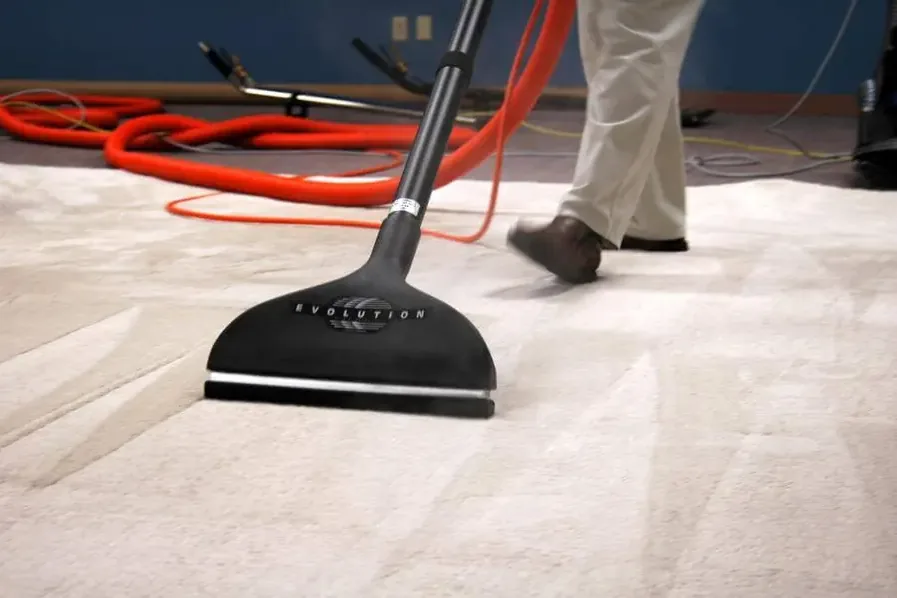 01Water Extraction & RemovalStanding water removed before it spreads into walls and subfloors.View service
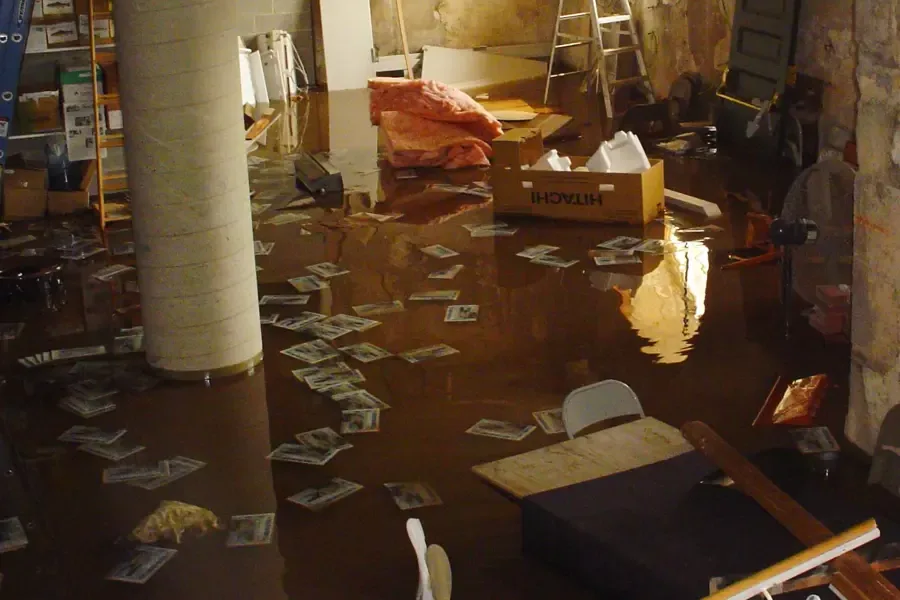 02Basement Flooding CleanupLower-level water pumped out, mapped, and dried.View service
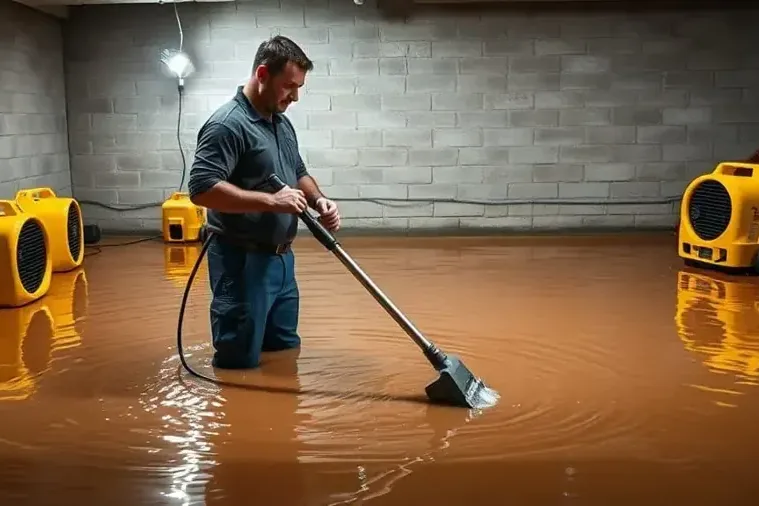 03Sump Pump Failure CleanupOverflow after a failed pump extracted and the wet assembly dried.View service
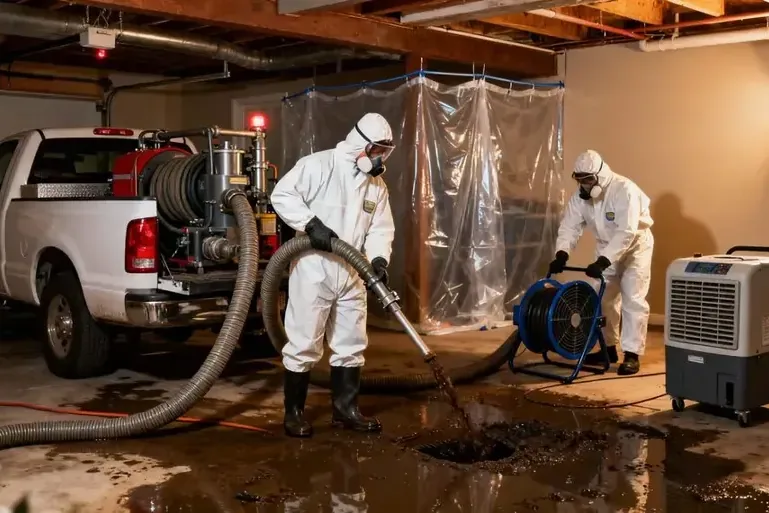 04Sewage CleanupCategory 3 water contained, removed, and treated safely.View service
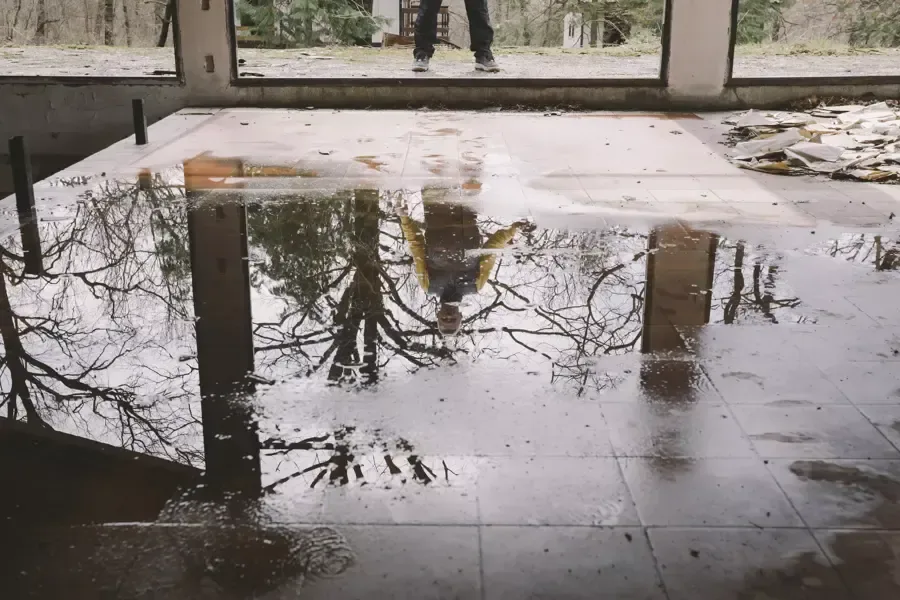 05Flood CleanupOutside water removed with contaminated-material controls.View service
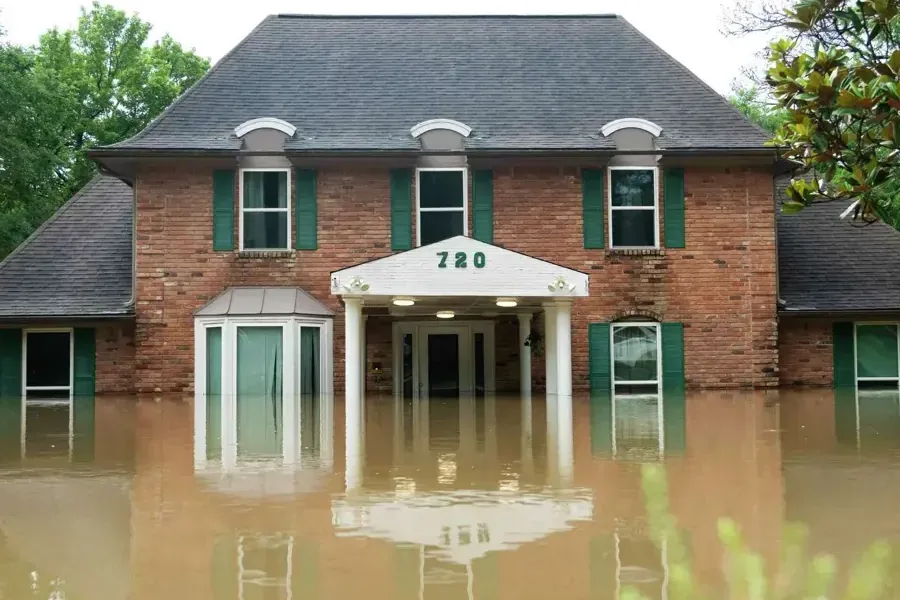 06Storm Water Damage CleanupRain and runoff losses extracted and dried.View service
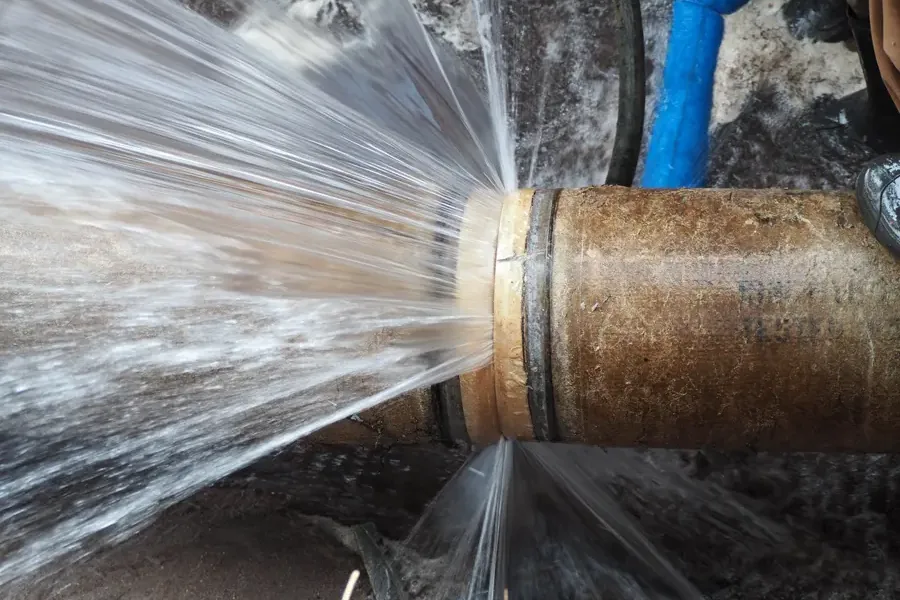 07Burst Pipe CleanupSupply-line releases stopped, extracted, and dried inside cavities.View service
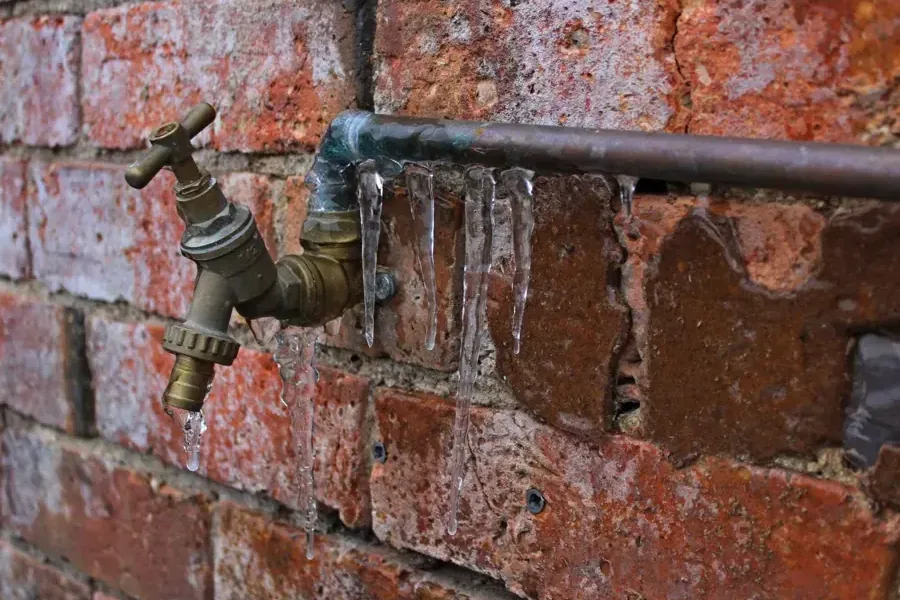 08Frozen Pipe CleanupCold-weather pipe splits handled before thawed water spreads.View service
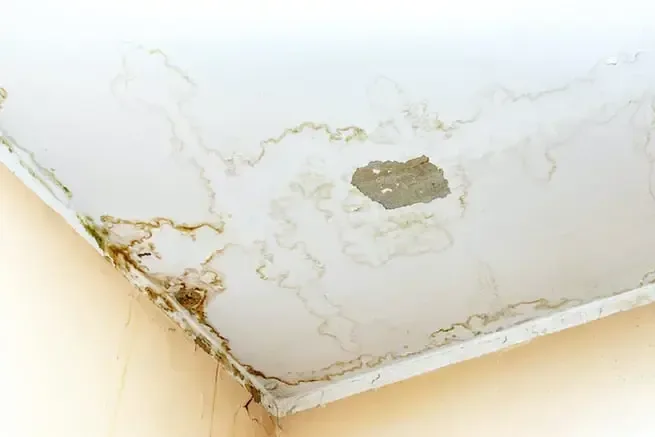 09Ceiling Leak Water DamageOverhead leaks traced and joist bays dried.View service
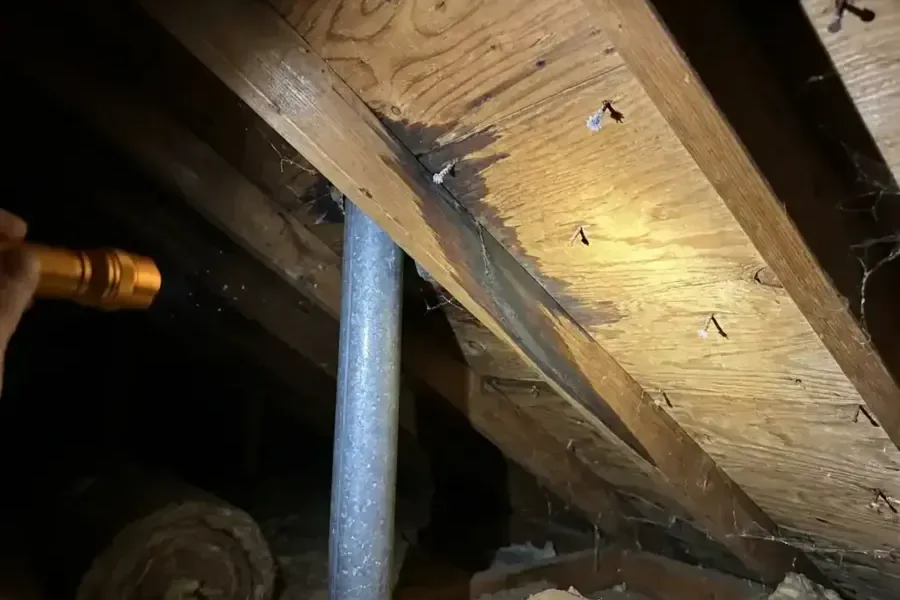 10Roof Leak Water DamageWet insulation and ceiling assemblies opened and dried.View service
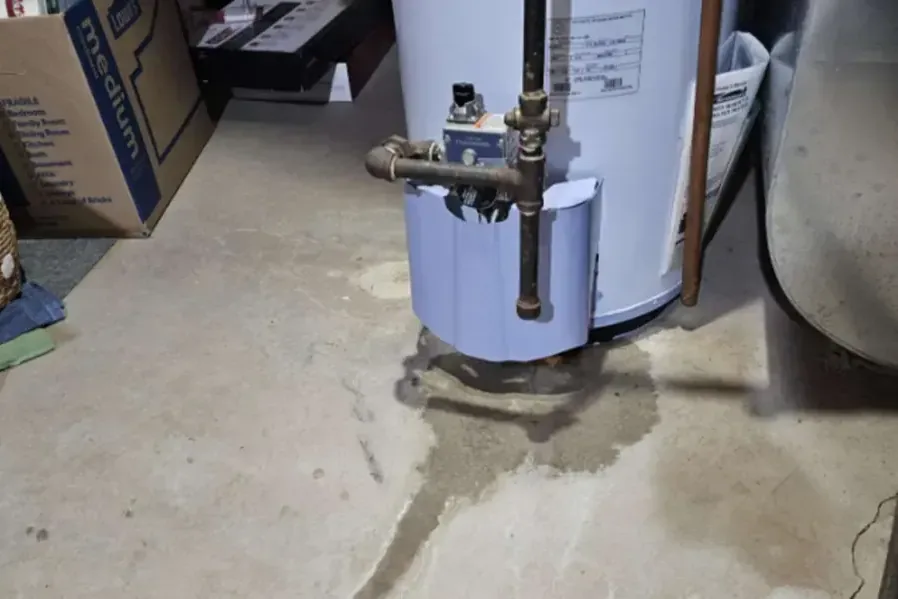 11Water Heater Failure CleanupTank releases extracted before wall and floor materials wick water.View service
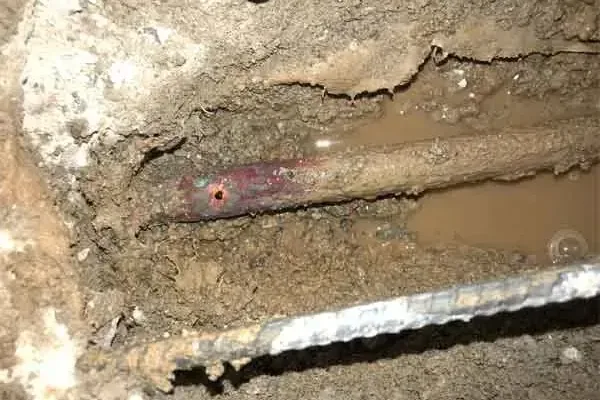 12Slab Leak Water DamageHidden supply water mapped across floors and wall bottoms.View service
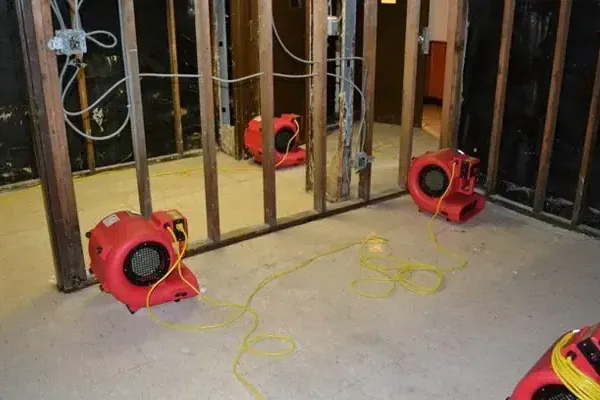 13Structural Drying & DehumidificationFraming, subfloor, plaster, and masonry dried to measured goals.View service
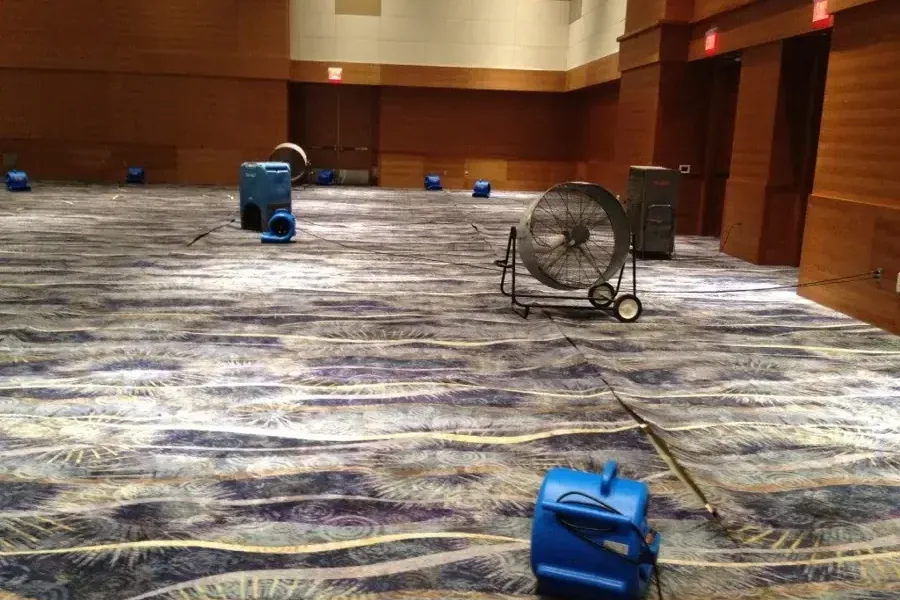 14Commercial Water Damage RestorationShops, offices, schools, and shared buildings dried in planned phases.View service Water source unclear?Describe the water path and the wet rooms.(888) 557-1733 Plan the cost rangeAnswer four questions for a planning figure.Open the calculator
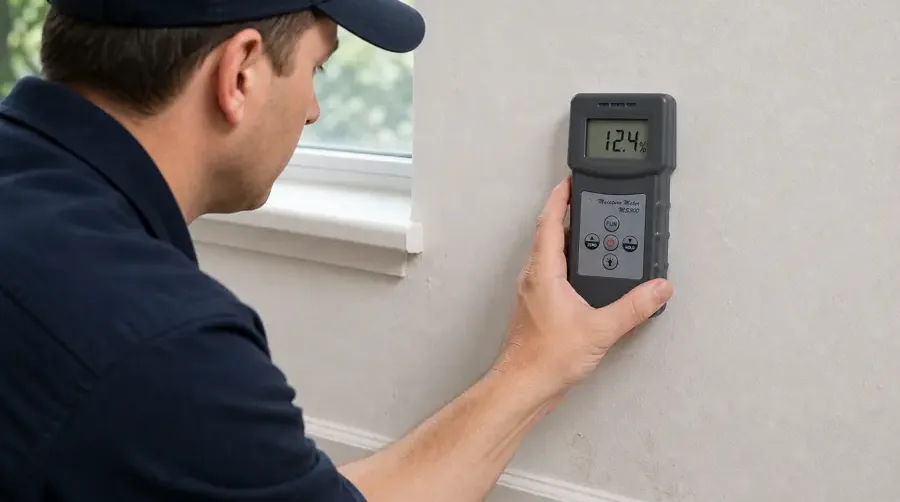
Measured drying for Jenkintown properties
The restoration team maps wet materials, extracts bulk water, places equipment for the class of loss, and logs readings until the drying goal is reached.
Each plan follows the water category, material class, access, and daily measurements rather than a calendar.
How the dry-out process worksFour controls directs each Jenkintown dry-out
The restoration contractor measures first, chooses controls for the water category, watches progress each day, and closes the job from documented evidence.
Borough access
Compact streets and occupied buildings shape equipment routes.
Material decisions
On-site identification controls retention, access, and removal.
Consistent readings
Marked locations allow reliable progress comparisons.
Closing evidence
Photographs, actions, equipment notes, and readings stay room-specific.
Jenkintown materials dried under the IICRC S500 standard
S500 drying work examines the whole assembly. A surface can feel dry while plaster, wood, masonry, or a concealed cavity still holds moisture.
- 1
Identify assemblies
Match plaster, wood, masonry, flooring, and cavities with suitable measurements.
- 2
Extract liquid
Direct recovery reduces the load before structural evaporation begins.
- 3
Balance equipment
Air movement releases moisture while dehumidification collects indoor vapor.
- 4
Verify results
Repeated marked readings support the final equipment removal decision.
- Thermal patterns checked
- Low-grain dehumidification
- Reference readings compared
Documentation for an insurance claim
Mitigation records develop alongside the work from the beginning. The file includes source and room photographs, material moisture locations, extraction and removal entries, equipment placement dates, closing comparison readings.
A sudden pipe release may be treated differently from runoff or a drain backup. Policy terms and the insurer decide coverage, deductibles, and payment.
What does water damage restoration cost in Jenkintown, PA?
A limited clean-water loss may cost $1,200 to $6,500. Contaminated water, several rooms, concealed assemblies, or difficult access can move work from $7,000 to $30,000 or more.
Limited clean-water area
$1,200 to $6,500
- Focused room boundary
- Direct extraction work
- Opening moisture map
Several wet assemblies
$6,500 to $16,000
- Connected wet assemblies
- Several equipment areas
- Repeated progress readings
Contaminated or broad loss
$7,000 to $30,000+
- Contamination or hidden spread
- Selective material access
- Longer controlled drying
Water category, square footage, access, material class, and the time before drying begins move the number most. Try the water damage cost calculator.
Three water categories handled in Jenkintown, PA
Category sets the safety controls and what can stay.
Recent supply water
A sanitary pipe release starts with source control and mapping.
Burst pipe optionsUsed fixture water
Discharge needs added cleaning and material assessment.
Extraction optionsSewage or runoff
Contamination requires restricted access, sanitation, and protected drying.
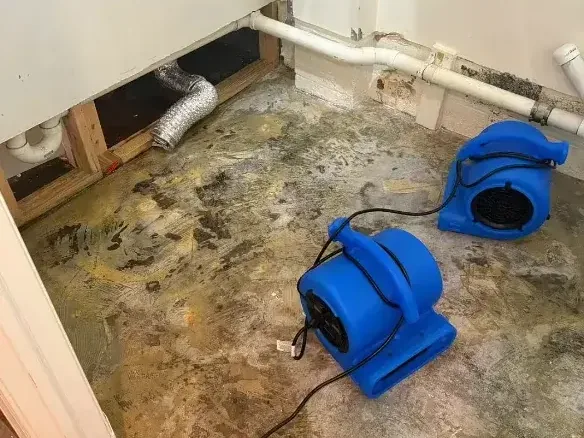
Sewage optionsEquipment and access used for a Jenkintown water loss
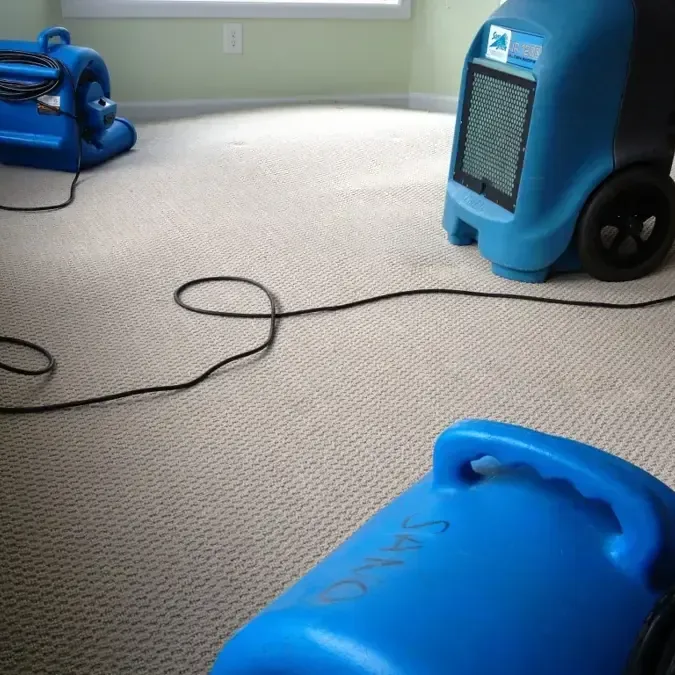
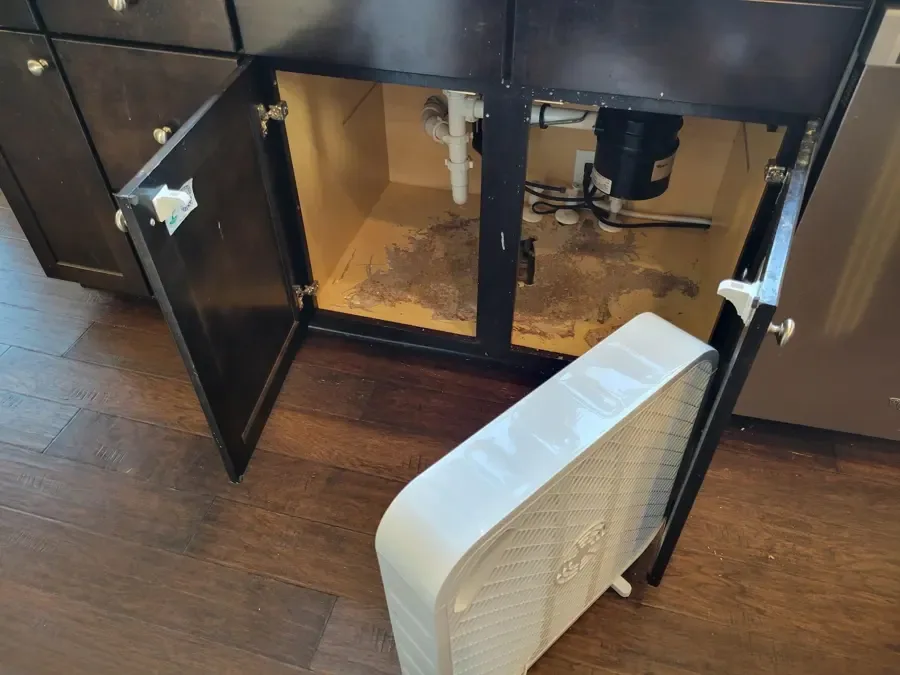
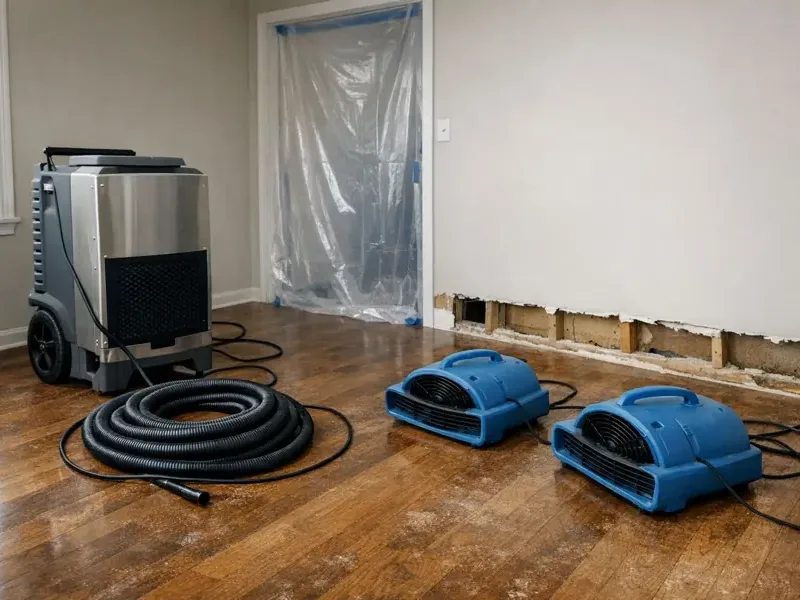
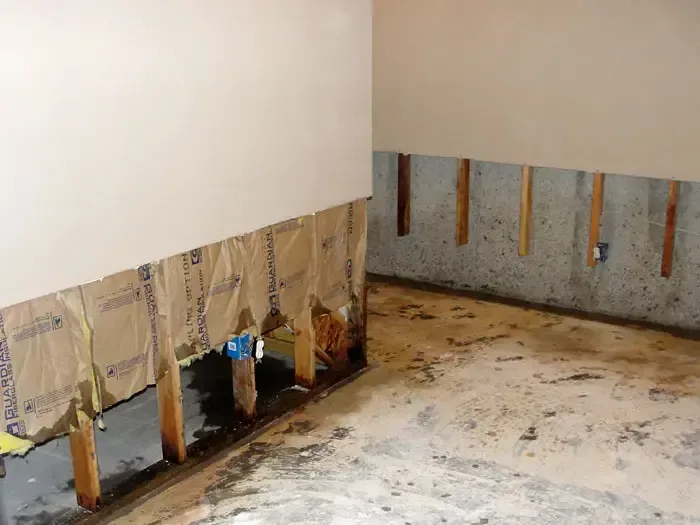
Water damage coverage across Jenkintown, PA
ZIP codes
- 19046
The response team asks for the cross street and wet floor when dispatch begins.
Named local places
One call reaches Jenkintown water damage pros, 24/7
Coverage includes the walkable business district, borough homes, schools, and mixed-use buildings in ZIP 19046. The dispatcher asks for the cross street, wet level, source, and whether water is still entering.
Glenside Water Damage Restoration
Jenkintown, PA, Montgomery County
Around the clock, every day
Older buildings, drainage, and winter water releases
This compact borough combines an older housing stock, public schools, civic places, shops, restaurants, and apartments above commercial space.
January 2016: AQUA PA isolated a Walnut Street main break while the borough warned of icy roads.
- Older finishes Most borough houses predate 1939, making inspection of existing finish layers useful before drying begins.
- Blocked inlets Leaves and yard debris can clog low-point inlets and contribute to street flooding during runoff.
- Creek watersheds Local rainfall runoff drains toward Tookany Creek and Pennypack Creek without proving property-level flood risk.
- Mixed-use corridors York Road businesses and upper apartments may require coordinated access across occupied spaces.
- Winter conditions Snowmelt and ice melt add runoff, while the documented main break created icy repair conditions.
Jenkintown Water Damage Questions
What should happen before water removal starts?
Control a safe source, restrict hazardous rooms, and photograph the original water path. Technicians then map damp materials before extraction changes the scene.
Why do older finishes need separate readings?
Plaster, wood, masonry, insulation, and replacement materials dry differently. Property measurements determine the suitable access, equipment, and completion target.
Does creek proximity prove that a property will flood?
No. Tookany Creek and Pennypack Creek supply watershed context, while parcel conditions and authoritative mapping determine property-specific risk.
How are sewage and outside water handled differently?
Access is restricted, porous materials face stricter decisions, and cleaning precedes drying. Compare sewage cleanup for the contamination sequence.
What belongs in a mitigation record?
Source findings, room photographs, moisture locations, extraction, removed materials, equipment dates, and final comparisons explain the completed work.
When is structural drying complete?
Repeated readings at marked material locations must reach an appropriate dry comparison or documented target. Appearance and touch are not enough.
Where does the local response operate?
Service covers York Road, Town Square, West Avenue, Walnut Street, and borough properties. Site conditions shape each assignment.
When does plumbing work require borough coordination?
Relocating, reconfiguring, or adding fixtures, supply, drainage, or venting requires a permit and riser diagram through the proper plumbing trade.
What details help after a supply-water disruption?
The January 2016 AQUA PA break affected Walnut Street and Greenwood Avenue. For a new disruption, useful details include when water was first noticed, whether the supply has been shut off, and which rooms or materials are wet.
Water entering a Jenkintown property? Begin measured recovery now.
The response team extracts water, tracks moisture, and records drying progress.