Water Damage Restoration Upper Moreland, PA
A round-the-clock restoration team removes unwanted water, evaluates affected materials, and tracks drying for homes and commercial properties throughout this Montgomery County township.
(888) 557-1733Describe the water problem now- 24/7 response
- Measured drying
- Room-by-room records
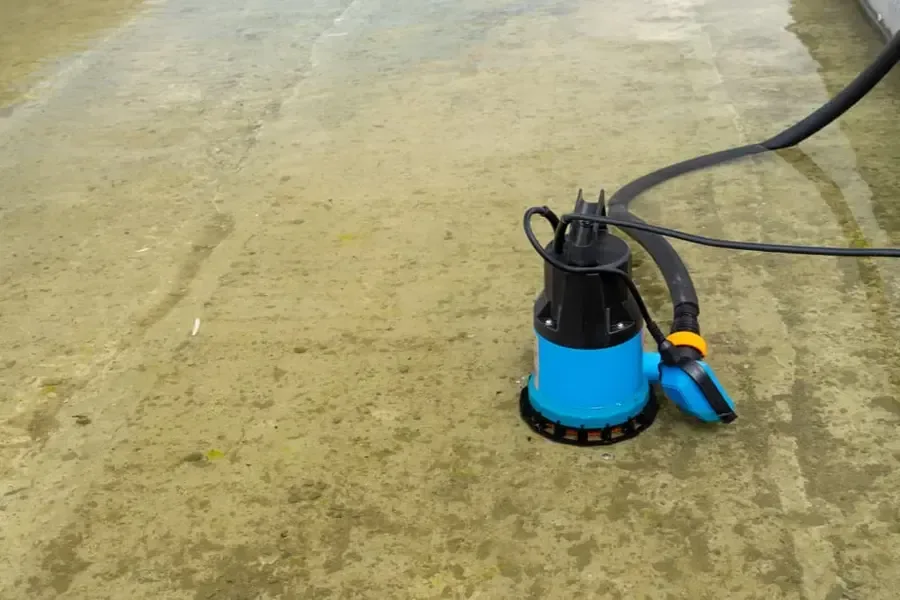
A pump removes bulk water; moisture readings guide the drying work that follows.
Early Actions That Protect People and Dry Areas
Protect people first, document the scene, and keep the wet area from growing.
- 1
Stop a safe source
Close an accessible valve only when reaching it is safe.
- 2
Keep people clear
Restrict entry near sewage, sagging ceilings, wet electrical components, and unstable finishes.
- 3
Record visible conditions
Photograph the source, water route, rooms, and belongings before cleanup changes them.
- 4
Move dry portable items
Relocate unaffected belongings without carrying moisture or contamination into another room.
- 5
Map the complete loss
Have technicians measure beyond visible edges before extraction and drying begin.
Water Cleanup Options for Upper Moreland Properties
Each service addresses a distinct source, contamination concern, material condition, or drying need.
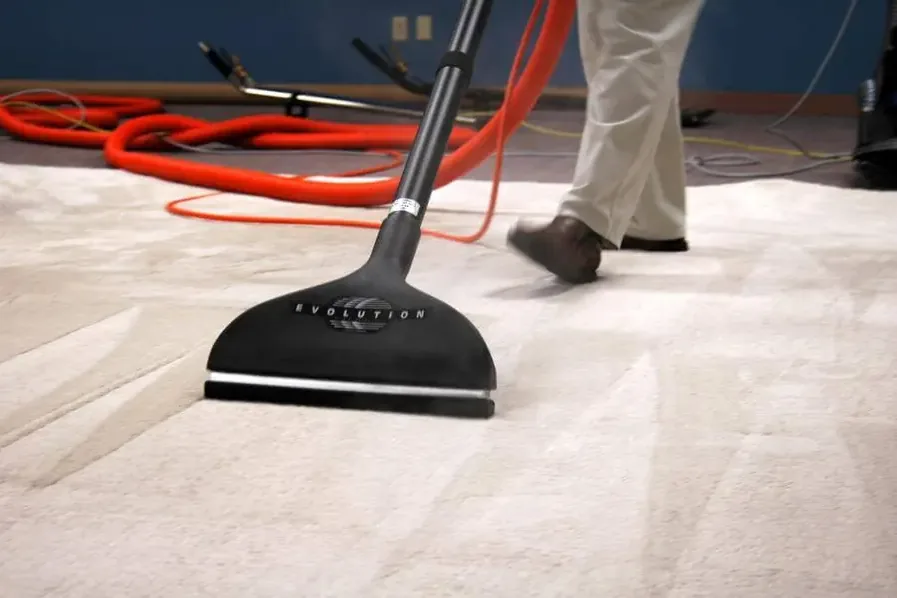 01Water Extraction & RemovalStanding water removed before it spreads into walls and subfloors.View service
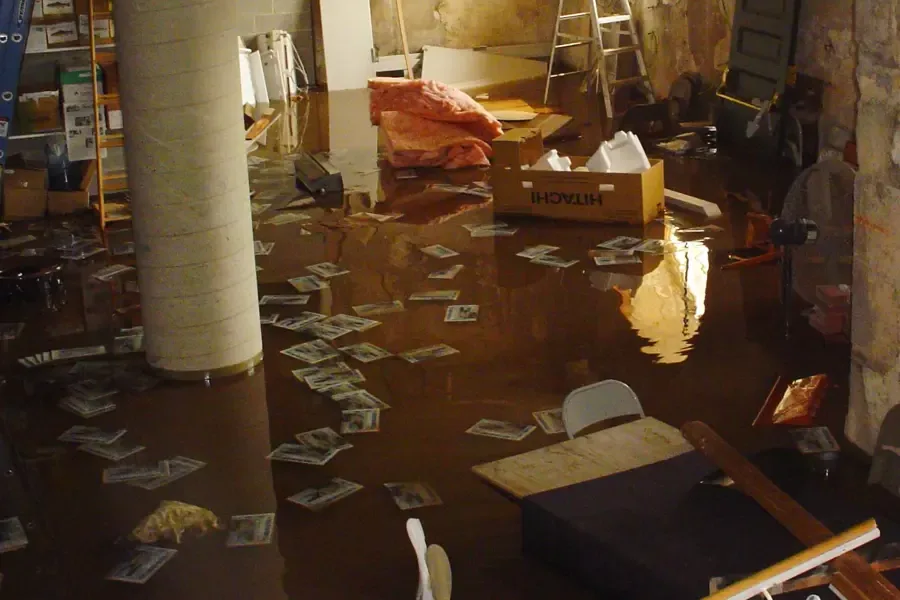 02Basement Flooding CleanupLower-level water pumped out, mapped, and dried.View service
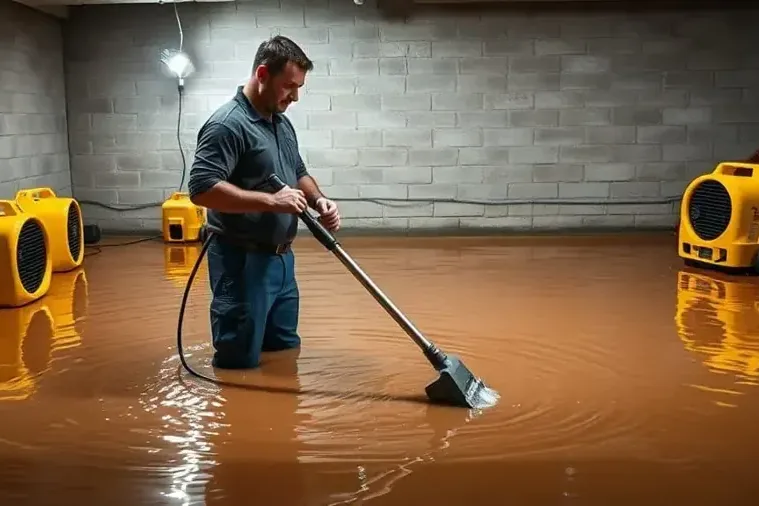 03Sump Pump Failure CleanupOverflow after a failed pump extracted and the wet assembly dried.View service
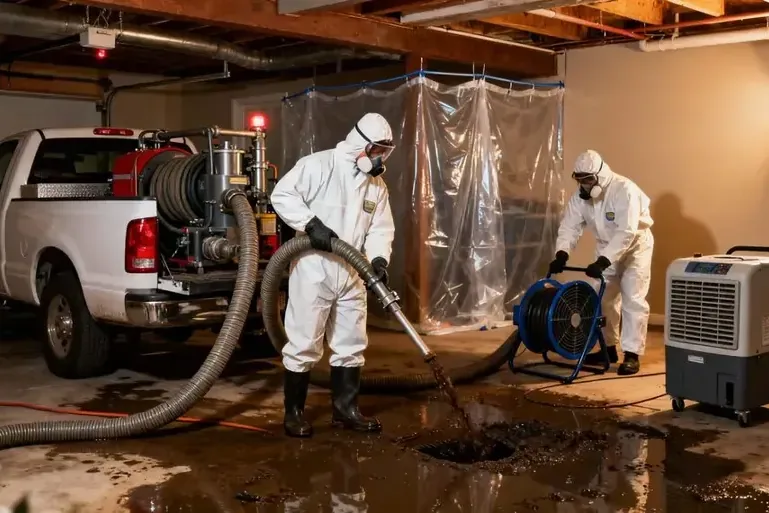 04Sewage CleanupCategory 3 water contained, removed, and treated safely.View service
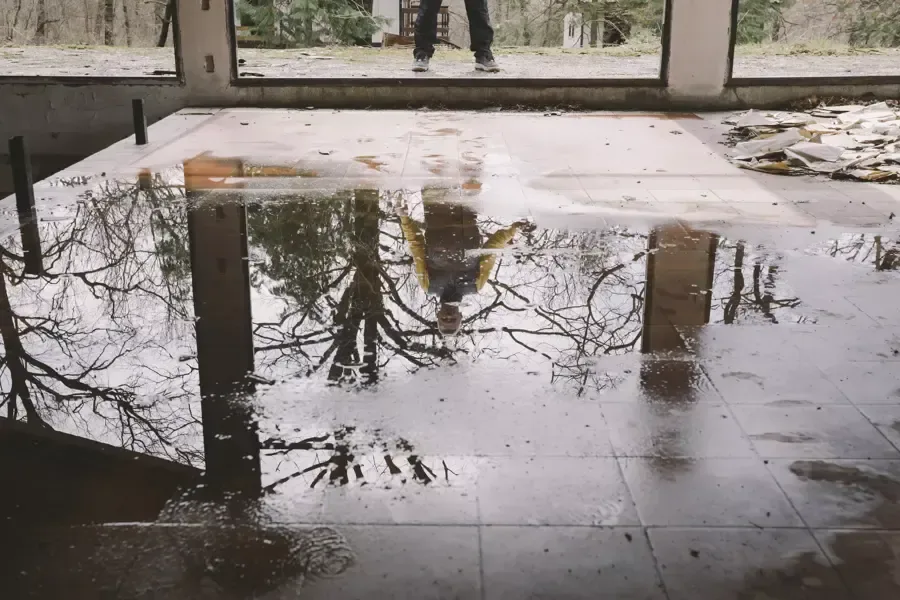 05Flood CleanupOutside water removed with contaminated-material controls.View service
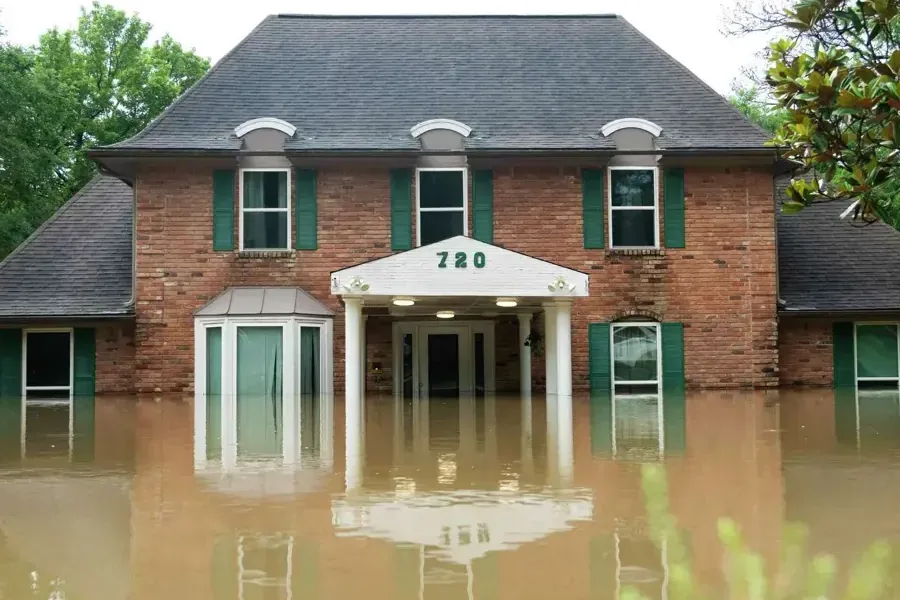 06Storm Water Damage CleanupRain and runoff losses extracted and dried.View service
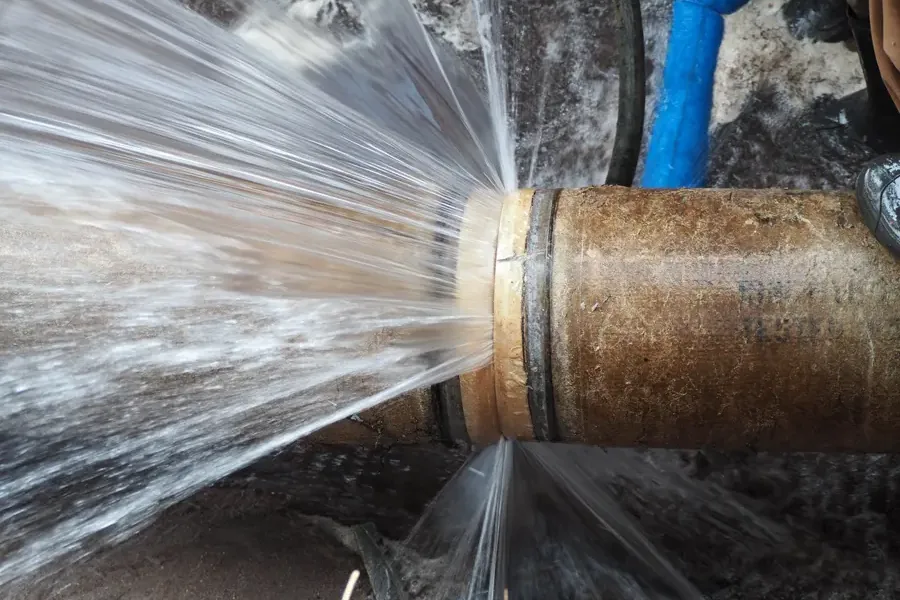 07Burst Pipe CleanupSupply-line releases stopped, extracted, and dried inside cavities.View service
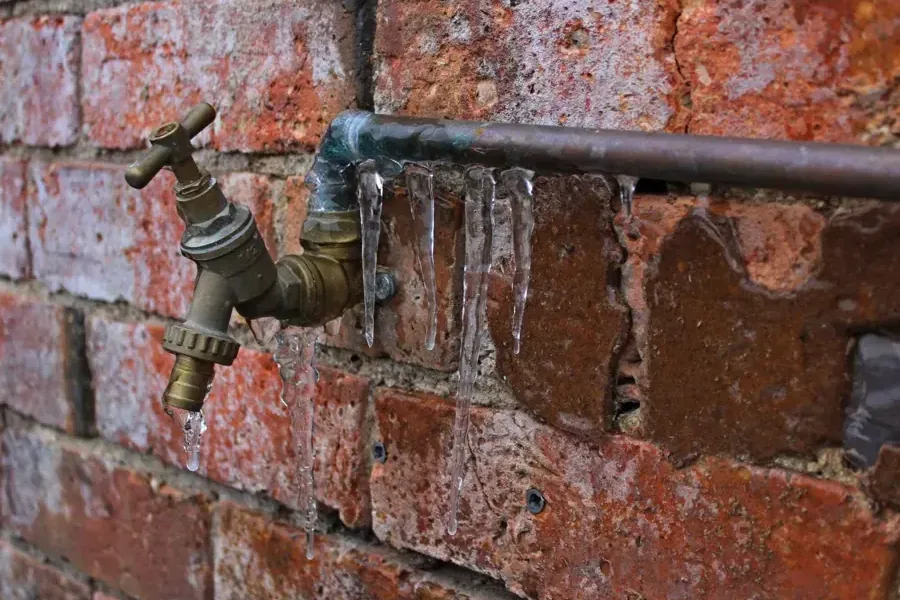 08Frozen Pipe CleanupCold-weather pipe splits handled before thawed water spreads.View service
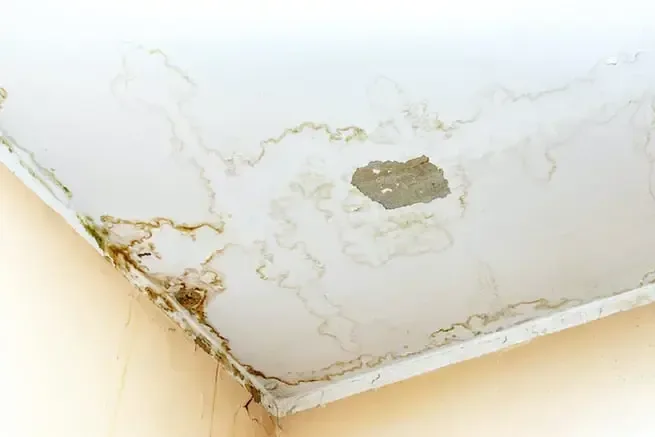 09Ceiling Leak Water DamageOverhead leaks traced and joist bays dried.View service
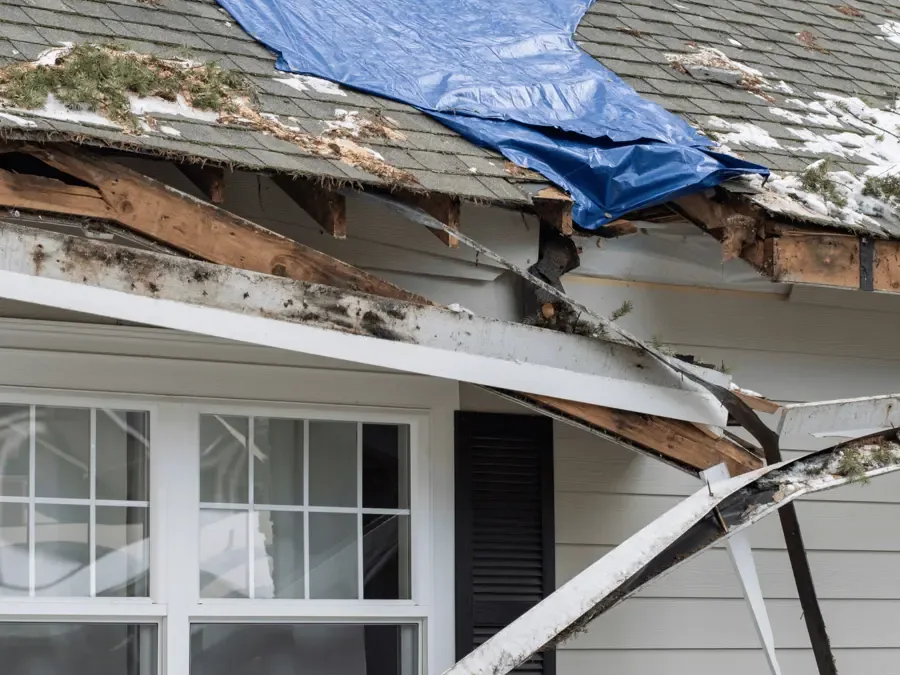
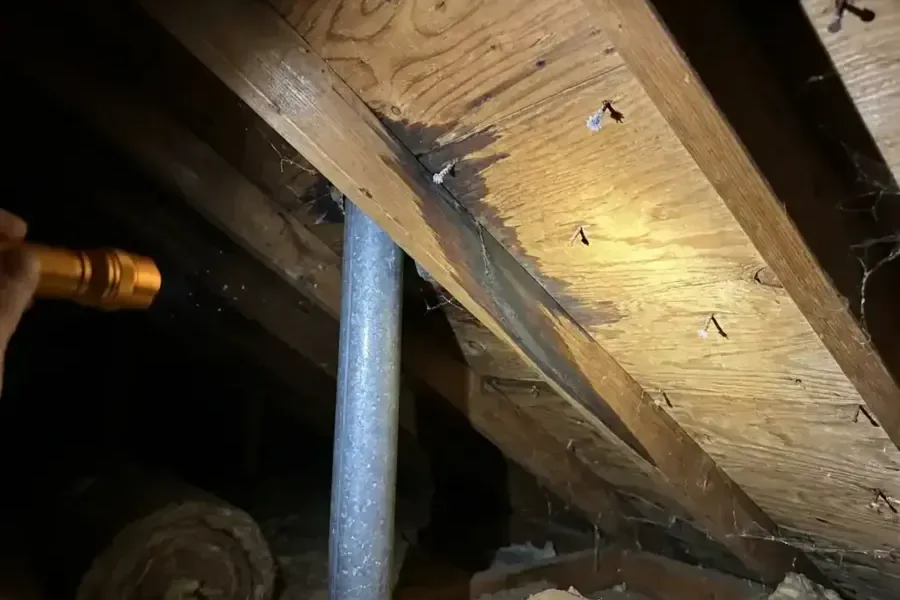 10Roof Leak Water DamageWet insulation and ceiling assemblies opened and dried.View service
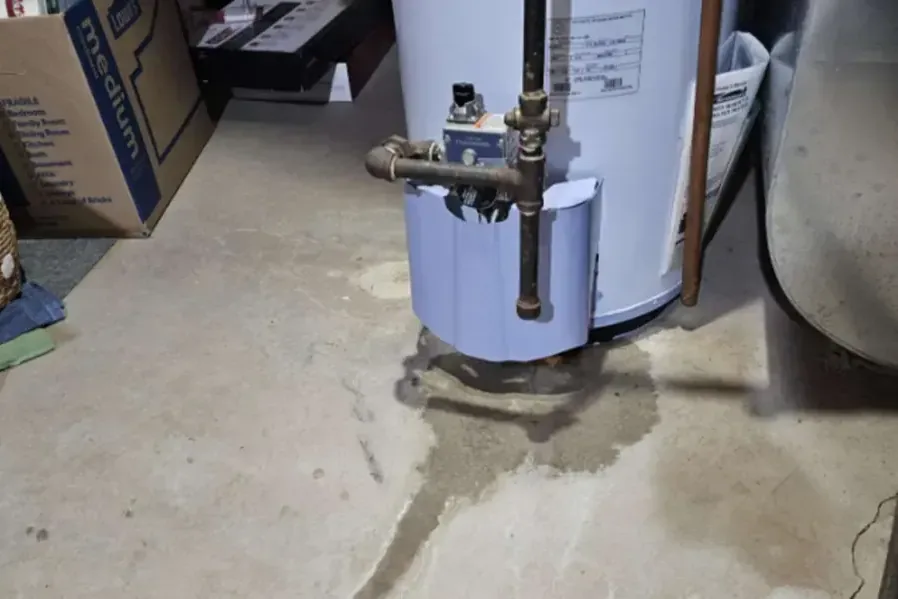 11Water Heater Failure CleanupTank releases extracted before wall and floor materials wick water.View service
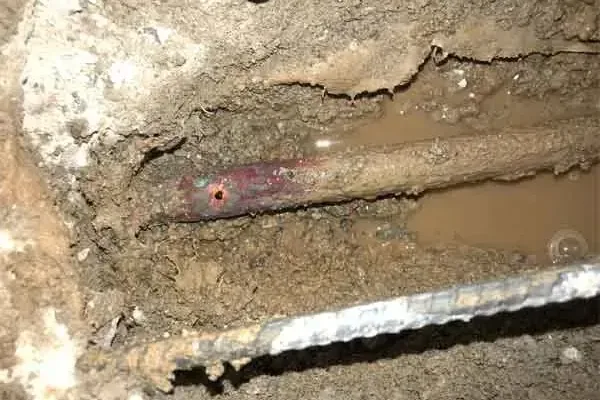 12Slab Leak Water DamageHidden supply water mapped across floors and wall bottoms.View service
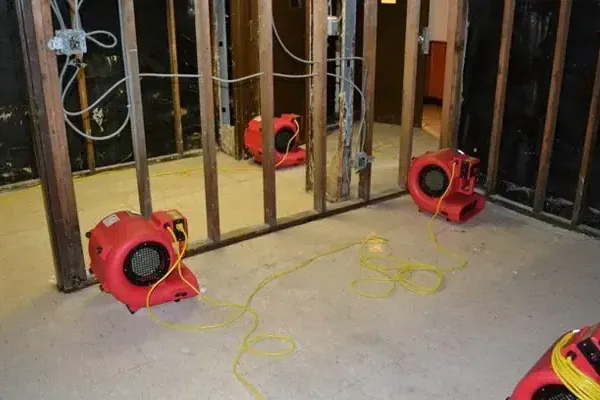 13Structural Drying & DehumidificationFraming, subfloor, plaster, and masonry dried to measured goals.View service
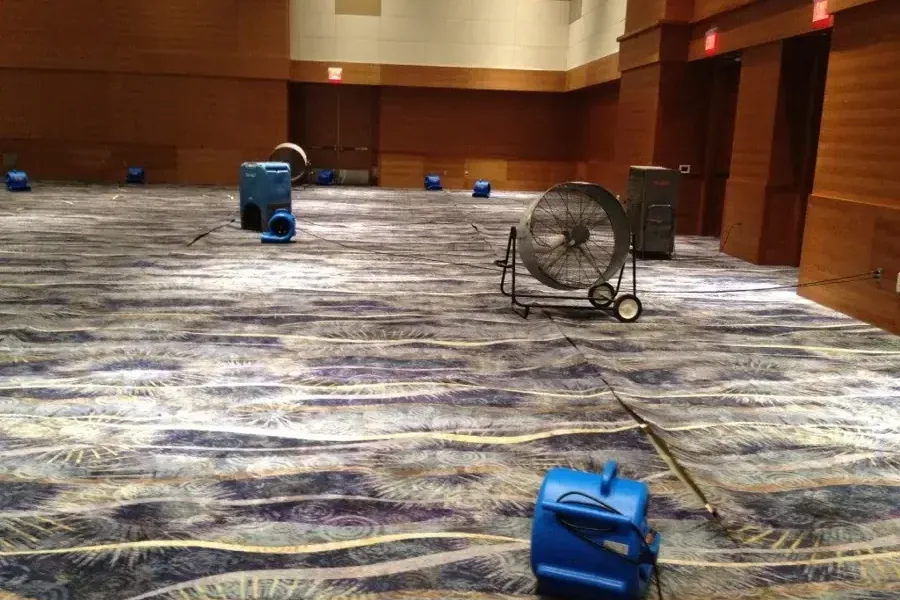 14Commercial Water Damage RestorationShops, offices, schools, and shared buildings dried in planned phases.View service Water source unclear?Describe the water path and the wet rooms.(888) 557-1733 Plan the cost rangeAnswer four questions for a planning figure.Open the calculator
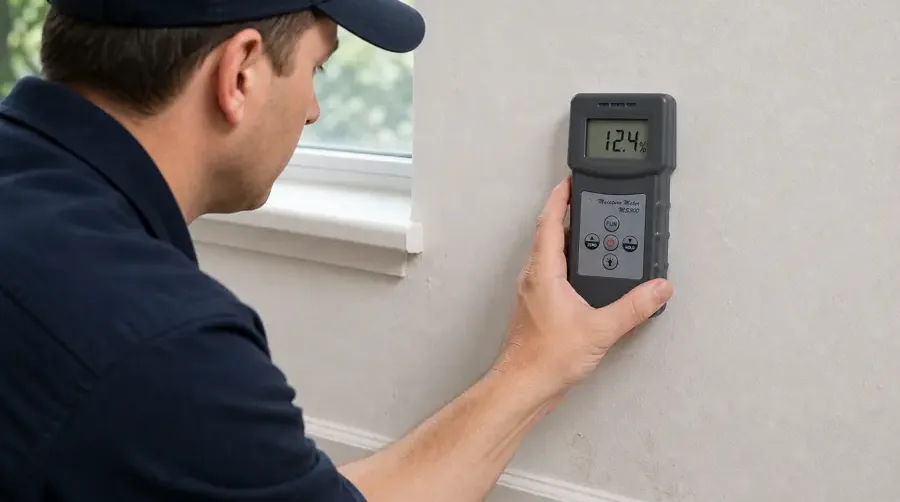
Measured drying for Upper Moreland Township properties
The restoration team maps wet materials, extracts bulk water, places equipment for the class of loss, and logs readings until the drying goal is reached.
Each plan follows the water category, material class, access, and daily measurements rather than a calendar.
How the dry-out process worksDecisions Follow Conditions Found at the Property
A restoration contractor separates source correction, water removal, material evaluation, controlled drying, and reconstruction into clear stages supported by observations.
Source comes first
Ongoing entry must stop before drying can remain effective.
Readings set boundaries
Meter readings locate retained moisture beneath surfaces that appear dry.
Controls fit the water
Sanitary and contaminated releases require different material choices.
Evidence closes work
Repeated readings show how retained materials changed.
Moisture Readings Direct the Structural Drying Plan
Dry-looking surfaces may conceal moisture at floor transitions, behind trim, or inside wall cavities. Testing establishes where equipment and access are actually needed.
- 1
Survey connected materials
Check surfaces and assemblies beyond the obvious stain or puddle.
- 2
Lower the liquid load
Extract recoverable water before relying on evaporation equipment.
- 3
Manage evaporation
Balance air movement with dehumidification for the measured conditions.
- 4
Confirm the endpoint
Compare repeated readings at the same marked locations before removal.
- Wet boundaries marked
- Airflow adjusted
- Dry goals verified
Records for claim discussions
Useful mitigation records develop during every phase of work. The file includes source and room photographs, mapped material moisture notes, water extraction work records, equipment placement and adjustment dates, final dry comparison readings.
A sudden pipe release may be evaluated differently from runoff, seepage, or a drain backup. The carrier interprets coverage, deductibles, exclusions, and payment under the specific policy.
What Can Water Restoration Cost in Upper Moreland?
A limited clean-water loss may run $1,200 to $6,500. Several rooms, contamination, concealed moisture, difficult access, or extensive material removal can raise a project to $7,000 to $30,000 or more.
Contained clean-water loss
$1,200 to $6,500
- One defined work area
- Direct liquid removal
- Initial moisture readings
Connected wet rooms
$6,500 to $16,000
- Several material transitions
- Multiple equipment zones
- Ongoing measurement visits
Broad or contaminated loss
$7,000 to $30,000+
- Strict access controls
- Selective material removal
- Extended drying oversight
Water category, square footage, access, material class, and the time before drying begins move the number most. Try the water damage cost calculator.
Different Water Sources Require Different Controls
Category sets the safety controls and what can stay.
Supply water
A recent pipe release begins with shutoff, extraction, and moisture mapping.
Explore pipe cleanupUsed appliance water
Discharge water requires evaluation of contents, surfaces, and concealed spread.
Explore extractionSewage or runoff
Contaminated water calls for restricted access, removal decisions, cleaning, and drying.
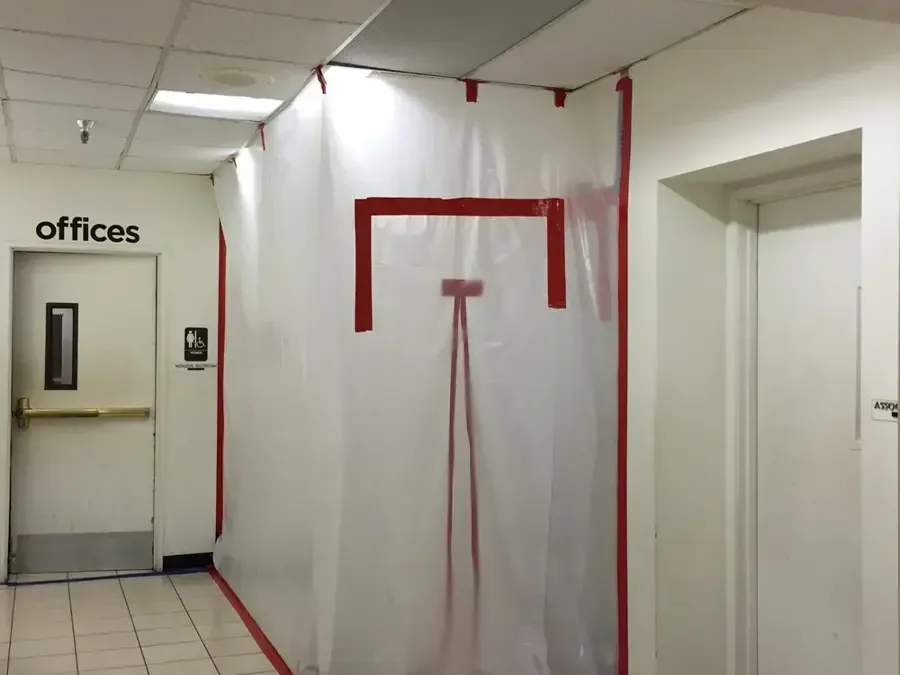
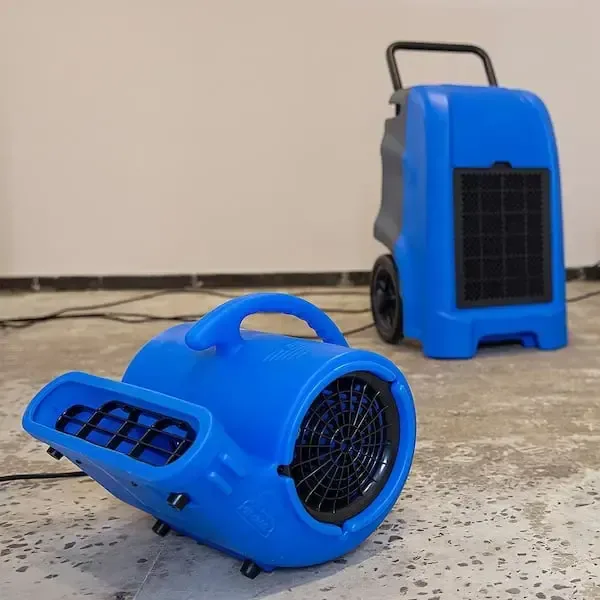
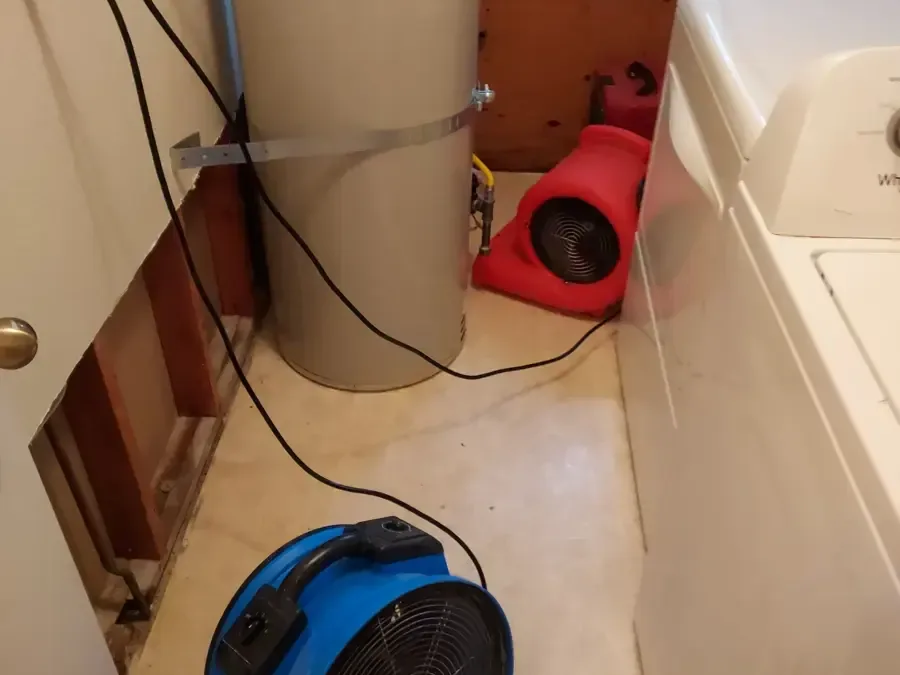
Explore sewage cleanupEquipment, Material Access, and Containment During Drying
Water damage coverage across Upper Moreland Township, PA
ZIP codes
- 19006
- 19040
- 19090
The response team asks for the cross street and wet floor when dispatch begins.
Named local places
Share source details and hazards
Service extends across residential, business, industrial, and commercial parts of the township, including properties around Willow Grove. A caller can describe active flow, affected levels, visible contamination, electrical concerns, and safe access points.
Glenside Water Damage Restoration
Upper Moreland Township, PA, Montgomery County
Around the clock, every day
Water Conditions Without Property-Level Assumptions
Pennypack Creek provides drainage context, while winter freezing and warm-season rain create different water-loss scenarios.
Seasonal conditions: No dated township water event was confirmed, so every loss requires property-specific evidence.
- Winter exposure Cold weather can affect exposed plumbing, but a freeze must be confirmed at the building.
- Heavy rain Runoff may enter through vulnerable openings without proving any address lies in a flood zone.
- Creek context Pennypack Creek describes local drainage, not the cause of moisture inside a particular property.
- Mixed land uses Homes, shops, medical space, and industrial properties require different access and continuity plans.
- Connected materials Water can move through floor edges, wall bases, and concealed cavities beyond what is visible.
Upper Moreland Water Damage Questions
What should happen first after indoor water is found?
Avoid electrical hazards and unstable finishes, stop an accessible source when safe, and photograph the original water route. A technician can then map damp materials before removal changes conditions.
How can a property owner check flood-zone information?
The applicable flood map provides flood-zone information. After water enters a building, inspection identifies its route and the materials needing cleanup.
How is the wet boundary identified?
The team combines visual observations with readings at floors, walls, trim, cabinets, and adjoining rooms. Testing continues beyond the visible edge until dry comparison areas are found.
Who handles a sewage backup?
The restoration crew controls access, removes affected material, cleans, and dries. Drain correction belongs to the proper plumbing trade. See sewage cleanup for the sequence.
What information helps with an insurance claim?
Photographs, source findings, room lists, moisture maps, extraction notes, material decisions, equipment dates, and closing readings help describe the work. The policy and carrier determine coverage.
Can drying finish when surfaces feel dry?
Touch alone is not enough. Materials should be checked at consistent locations and compared with an appropriate dry goal before equipment is removed.
Are basements assumed throughout the township?
No. Foundation and lower-level conditions are identified at each property. Cleanup planning follows the building actually inspected rather than an assumption about local construction.
Where is service available?
Coverage includes Willow Grove, Huntingdon Valley, Easton Road, York Road, and other township areas. Observed conditions shape each setup.
Can utility information establish responsibility for a leak?
No. Aqua Pennsylvania is the confirmed public water provider, but that fact alone does not assign responsibility for a private pipe, fixture, or service connection.
Water Spreading Through a Local Property? Begin With Facts.
The response team extracts water, evaluates materials, and documents drying progress.