Flood Cleanup in Hatboro, PA
Outside water may carry soil and debris indoors, requiring restricted access, controlled extraction, porous-material decisions, cleaning, and verified structural drying.
(888) 557-1733Assess outside water indoors- Intrusion-path mapping
- Debris and water removal
- Sanitary structural drying
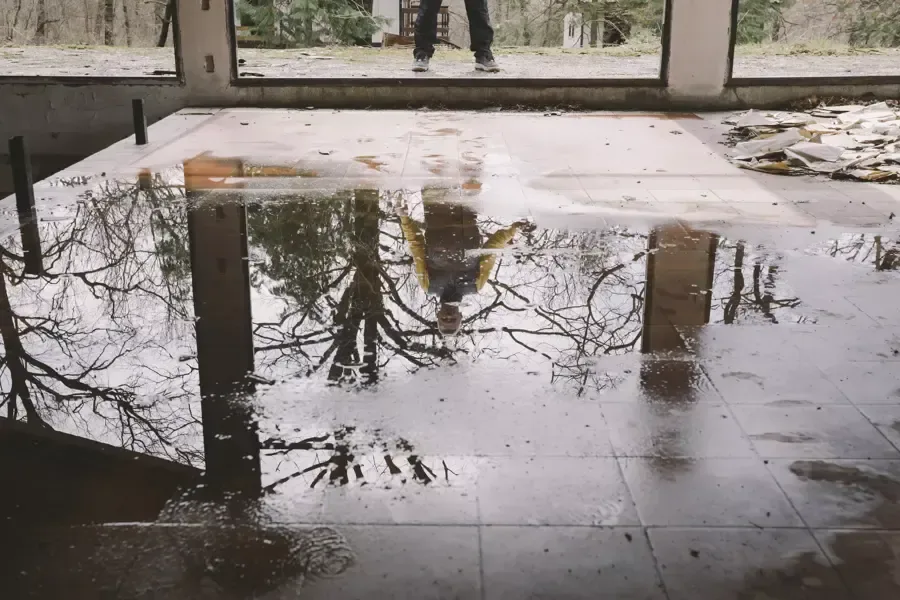
What to do the moment you find outside floodwater in Hatboro
- 1Wait for safe property access
Remain outside when moving water, electricity, unstable finishes, or an official restriction makes entry unsafe.
- 2Photograph entry evidence
Capture sediment, debris, thresholds, low openings, and every contacted room from a protected location.
- 3Reserve a clean route
Prevent footwear, tools, and wet belongings from carrying outside residue into unaffected rooms.
- 4Begin controlled flood recovery
Technicians extract water, collect debris, sort materials, clean retained surfaces, and establish drying zones.
How the crew handles outside floodwater
- AMap outside-water travel
Technicians follow sediment and water marks through entrances, connected rooms, and concealed floor edges to establish the cleanup boundary.
- BRemove liquid and residue
Extraction and debris collection proceed through a route designed to protect clean spaces.
- CWash before drying
Retained durable surfaces receive suitable cleaning before airflow addresses structural moisture.
- DVerify the cleaned structure
Material records, photographs, sanitation entries, and final readings document completion.
Outside water entering a building can carry soil, organic residue, and contaminants across floors and into wall bases. The crew treats the affected route as more than a pumping job. It records the high-water evidence, restricts traffic, identifies the point of entry, and separates clean belongings from exposed materials.
What does flood cleanup cost in Hatboro, PA?
Flood recovery budgets in Hatboro commonly fall between $4,000 and $22,000. Sediment, contaminated flooring, inaccessible rooms, and displaced belongings can make cleanup more involved than the visible depth suggests.
Contained area
$4,000 to $9,100
- Limited outside-water entry
- Liquid and debris removal
- Washable surface cleaning
Several rooms
$9,100 to $16,900
- Several connected rooms
- Porous material evaluation
- Multiple controlled sections
Complex loss
$16,900 to $22,000+
- Deep contaminated intrusion
- Heavy debris handling
- Extensive structural access
Drivers: the water category, the square footage, the material class and how fast drying started. For a planning range, try the water damage cost calculator.
How the team handles outside floodwater in Hatboro
- 1
Moisture mapping
The tech who does the walkthrough maps wet materials with thermal imaging and pinless meters first.
- 2
Extraction
The extraction crew pulls standing water out with truck-mounted extraction, so it leaves the building.
- 3
Air movers and LGR
Air movers are set to each room's evaporation load; LGR dehumidifiers pull the moisture from the air.
- 4
Dry verification
Crews log readings daily and pull equipment once wet material is within 2 to 4 points of a dry reference.
Describe the source, wet rooms, and any immediate safety concerns.
(888) 557-1733Request a flood assessmentThe cleanup boundary follows the water route
Pennypack Creek runs through central Hatboro. Following a flood, the first inspection traces the route from the outdoor entry point to the furthest wet indoor surface. Around York Road, runoff marks, openings, drain behavior, and indoor debris provide property-level evidence. Technicians map each contacted room and inspect transitions where water could continue beneath a finish.
- Avoid walking from the wet area into unaffected rooms.
- Photograph water marks and debris before cleanup changes them.
- Keep children, pets, food, and medicines outside the work zone.
Removal and cleaning proceed in a controlled order
Pumps or extraction tools remove accessible water after safety conditions permit entry. Porous materials that absorbed contaminated water receive stricter retention decisions than sound nonporous surfaces. Remaining hard materials are cleared of soil and cleaned before drying begins. Contents are photographed and sorted according to their exposure and cleanability.
Open cavities need contamination assessment
Lower wall sections, insulation, floor layers, and cabinet bases may hold residue after open water is gone. At properties around Jacksonville Road or Downtown Hatboro, readings and material condition determine openings into wet floor and wall assemblies. Containment and protective procedures keep debris from spreading beyond the affected area.
- Record removed material by room and type.
- Clean retained surfaces before directing air across them.
- Use marked points for repeat moisture comparisons.
Drying begins after the dirty load is controlled
Dehumidification manages indoor vapor while airflow serves cleaned, retainable assemblies. Technicians inspect slower areas and change positions from measurements. The completion file joins opening photographs, contamination controls, contents actions, cleaning records, equipment use, and closing readings. Compare sewage cleanup for a drain or waste release, or see structural drying for retained damp materials.
The property owner can check coverage with the insurer and consult official parcel maps for flood classification. Restoration documentation explains what entered, where it traveled, which materials were handled, and how the cleaned structure reached its drying target.
Clean routes are checked again before the work area is released, since footwear and debris movement can enlarge the contaminated boundary. Before contents return, the crew distinguishes cleaned items from those awaiting a separate decision. Their storage locations appear in the room record, making it easier to keep wet or contaminated belongings outside completed spaces.
Flood Cleanup coverage in Hatboro
Flood response covers Pennypack Creek areas, York Road, Moreland Avenue, and borough properties. The entry route, contamination, debris, contacted contents, and materials determine the cleanup scope. Recommendations remain property specific.
Related water damage services in Hatboro
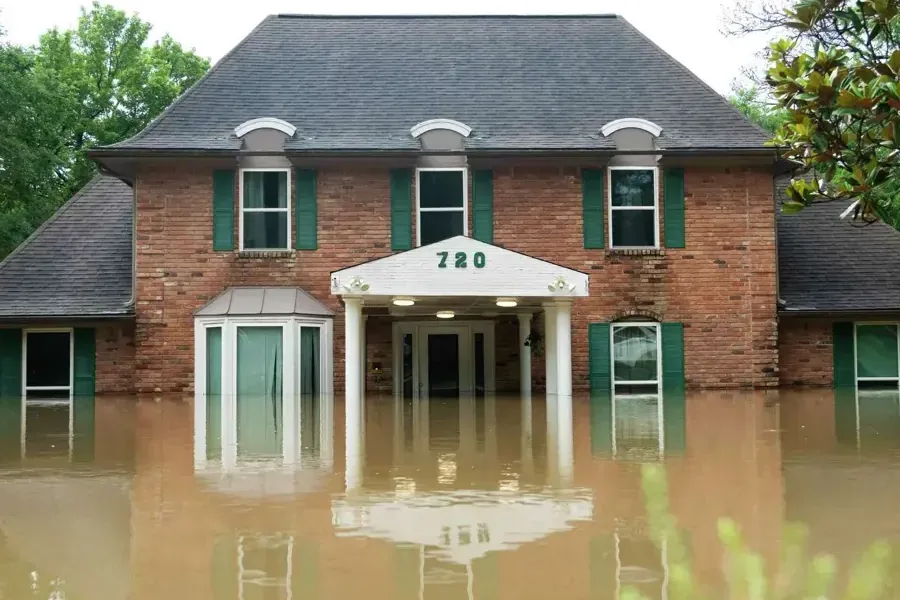
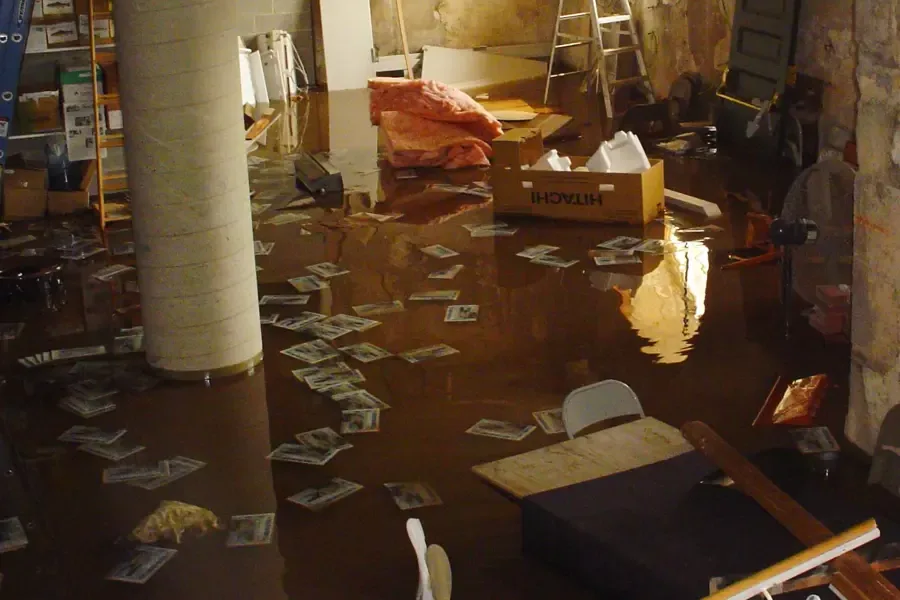
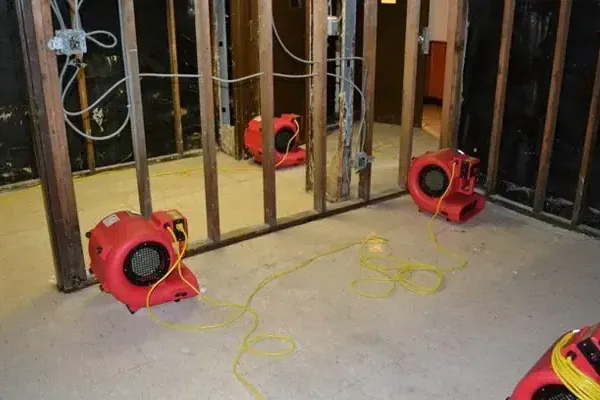
Flood Cleanup questions
Is outside floodwater considered clean?
No. Ground water can carry soil and other contamination. Access control, protective procedures, cleaning, and material decisions should reflect that condition before drying starts.
How can a property owner check a flood zone?
The owner can consult the applicable official parcel map for flood-zone information. During cleanup, photographs and moisture readings separately record the entry path and the rooms affected by the current loss.
What should be photographed first?
Capture the entry route, water marks, debris, affected rooms, contents, and visible exterior conditions when doing so is safe. The original scene can support later documentation.
Can wet wallboard remain after outside water enters?
Contamination, saturation, physical condition, and access all matter. Porous material contacted by dirty water often requires stricter removal decisions than a clean supply-water loss.
When does drying equipment begin operating?
Drying follows water removal, debris control, necessary access, and cleaning of retained surfaces. Equipment placement then changes according to readings and indoor conditions.
What belongs in the flood cleanup record?
Useful entries include high-water evidence, rooms, material removal, contents decisions, cleaning activity, equipment dates, and final comparisons. The insurer decides coverage.
Where is flood cleanup available in Hatboro?
Service includes York Road, Jacksonville Road, Downtown Hatboro, and properties elsewhere in the borough. The actual entry route and contacted materials control the scope.
Control contaminated water before repair work begins
The response team removes liquid and debris, cleans retained surfaces, and verifies drying from the documented intrusion boundary.