Storm Water Damage Cleanup in Upper Dublin, PA
Storm response traces each opening, protects the interior from continued entry, and coordinates exterior stabilization with water removal and measured drying across the affected rooms.
(888) 557-1733Map the storm entry- Openings documented
- Wet paths traced
- Drying readings logged
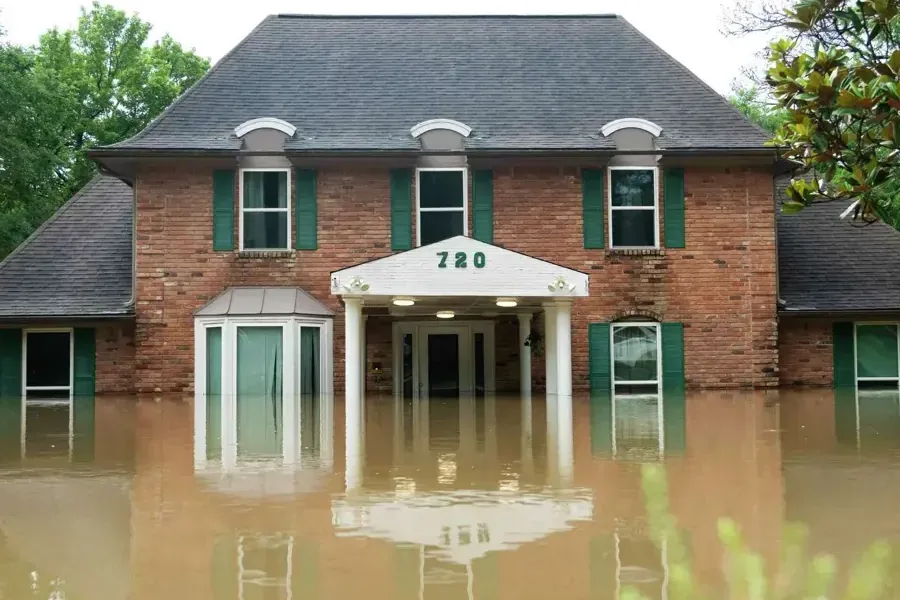
What to do the moment you find storm water indoors in Upper Dublin Township
- 1Avoid unstable areas
Stay away from bowed ceilings, fallen finishes, broken openings, wet wiring, and wind-exposed exterior sections.
- 2Reduce entry only when safe
Use simple containment from a stable location and leave roof or exterior stabilization to the proper trade.
- 3Preserve the water path
Photograph exterior conditions, indoor drips, stains, floor water, and connected rooms before disturbing finishes.
- 4Request multi-level mapping
Technicians should test beside the stain and in adjoining spaces that may share the concealed route.
How the crew handles storm water indoors
- ADocument the likely opening
Exterior and interior observations establish a working source hypothesis.
- BFollow water through materials
Readings extend above, below, and beside visible endpoints.
- CExtract and make access decisions
Liquid and unsafe finishes are handled without losing the mapped boundary.
- DMonitor each retained assembly
Stable test points reveal whether drying remains balanced.
Wind-driven rain can enter at one exterior opening and appear somewhere else after crossing cavities or layered finishes. The EF2 tornado that struck Upper Dublin on September 1, 2021 particularly affected Fort Washington and Maple Glen. After a storm, inspection connects visible exterior damage with the wet route inside the building so temporary protection and indoor cleanup can be coordinated. Photographs of each wet room preserve the initial conditions before extraction changes the scene.
What does storm water damage cleanup cost in Upper Dublin Township, PA?
Storm water damage cleanup commonly costs $2,500 to $16,000. Entry points, affected levels, water condition, concealed travel, exterior stabilization, material removal, and drying time shape the total.
Contained area
$2,500 to $6,475
- Focused entry survey
- Direct liquid removal
- Limited drying zone
Several rooms
$6,475 to $12,025
- Connected cavity checks
- Multiple wet assemblies
- Repeated progress readings
Complex loss
$12,025 to $16,000+
- Broad storm exposure
- Extensive finish access
- Coordinated recovery records
Drivers: the water category, the square footage, the material class and how fast drying started. For a planning range, try the water damage cost calculator.
How the team handles storm water indoors in Upper Dublin Township
- 1
Moisture mapping
The tech who does the walkthrough maps wet materials with thermal imaging and pinless meters first.
- 2
Extraction
The extraction crew pulls standing water out with truck-mounted extraction, so it leaves the building.
- 3
Air movers and LGR
Air movers are set to each room's evaporation load; LGR dehumidifiers pull the moisture from the air.
- 4
Dry verification
Crews log readings daily and pull equipment once wet material is within 2 to 4 points of a dry reference.
Describe the source, wet rooms, and any immediate safety concerns.
(888) 557-1733Request a storm-path assessmentStabilization and mitigation have different roles
Roofing, glazing, siding, or tree-related repairs belong to their appropriate trades. The water response team documents the suspected entry area, contains dripping where safe, extracts accessible liquid, and maps damp finishes. Work below a sagging ceiling or near wet electricity pauses until safe access is established. Temporary protection should not conceal the original interior boundary before photographs and readings are collected.
- Keep occupants away from bowed ceilings and fallen material.
- Place no container where reaching it crosses an electrical hazard.
- Photograph stains, drips, floor water, and exterior conditions from safety.
The survey follows the route, not just the stain
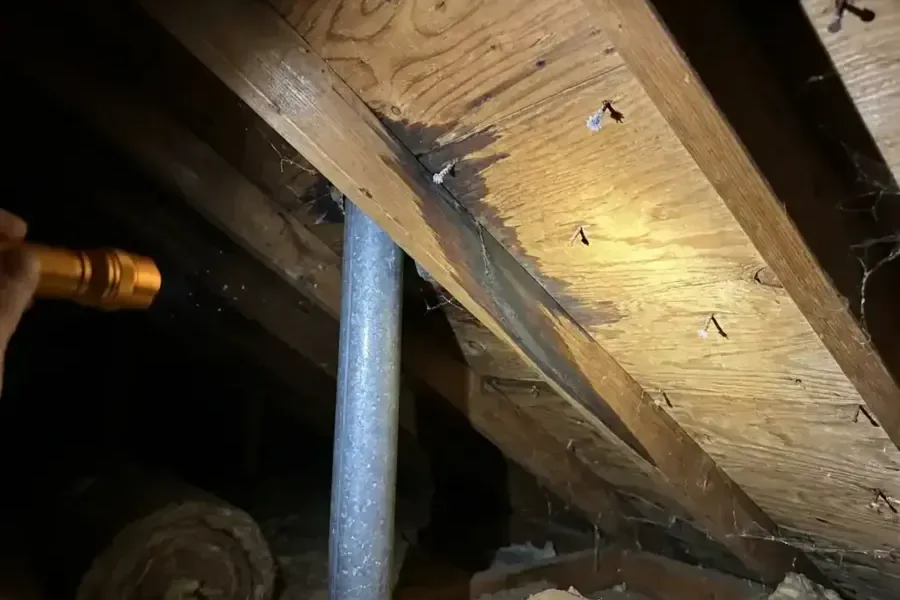
Rain may move along framing, insulation, a fastener, or a finish seam before it becomes visible. Technicians test around the apparent endpoint and move outward to dry comparisons. At properties around Limekiln Pike, Jarrettown, and Dresher, inspection identifies the layers holding moisture. Their condition and readings determine small access openings, broader removal, or drying in place.
Water condition changes material choices
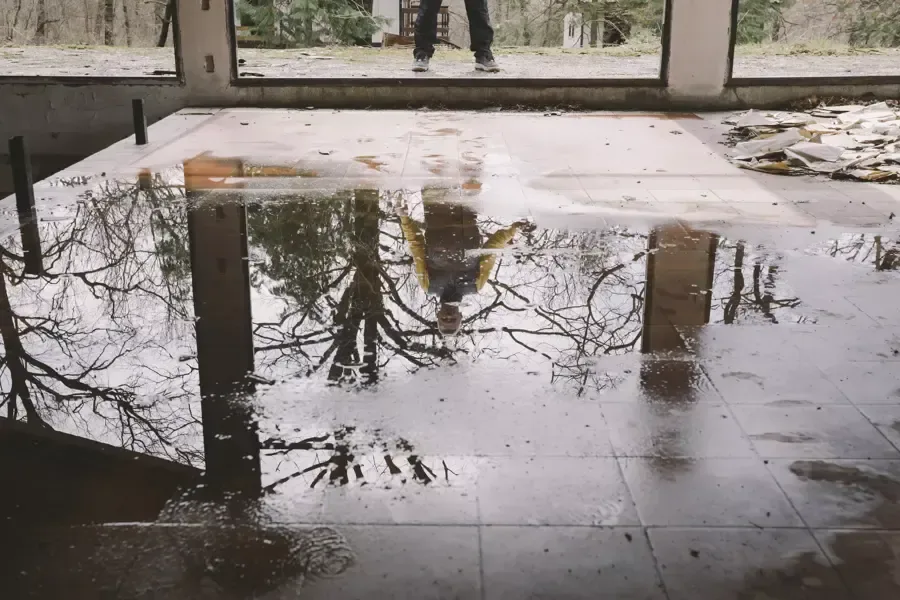
Rain entering directly may carry debris from exterior surfaces. Water that collects outdoors and crosses the ground requires more cautious contamination controls. The crew classifies the route, removes affected porous material when cleaning through its thickness is not reasonable, and cleans retained surfaces before directed drying. Compare flood cleanup for ground-water entry.
- Separate the exterior repair record from interior mitigation notes.
- Check adjoining rooms above, below, and beside the visible damage.
- Reposition equipment when readings reveal an uneven drying pattern.
Documentation connects weather to observed damage
A useful file includes weather-date context, opening photographs, interior water paths, material readings, extraction work, removal decisions, equipment placement, and final comparisons. Room labels and dated photographs connect each action with the part of the property that needed it. Inspect roof leak water damage when the inspected route begins at the roof.
A final exterior-to-interior comparison connects temporary weather protection with the rooms and materials that received water. Each entry route, opening, retained assembly, and remaining repair is named in the handoff. The owner also receives the status of temporary protection. Any room awaiting permanent roof, window, or exterior repair stays clearly identified, making it easier to report fresh water entry before concealed layers are closed.
Storm Water Damage Cleanup coverage in Upper Dublin Township
Storm mitigation covers Fort Washington, Maple Glen, Jarrettown, Dresher, and properties near Limekiln Pike. Interior paths, exterior openings, and safe access define the assignment at each site. Property access and measured conditions set the exact boundary.
Related water damage services in Upper Dublin Township
Storm water damage questions
Does a past tornado prove the cause of current damage?
No. The documented event confirms severe weather in Fort Washington and Maple Glen. A present building still needs direct evidence connecting an opening to the water path. The property survey confirms how that point applies to the loss.
Who repairs the exterior opening?
Roofing or exterior correction belongs to the appropriate trade. Water mitigation handles indoor extraction, affected materials, cleaning where needed, drying, and documentation.
Why inspect beyond the visible stain?
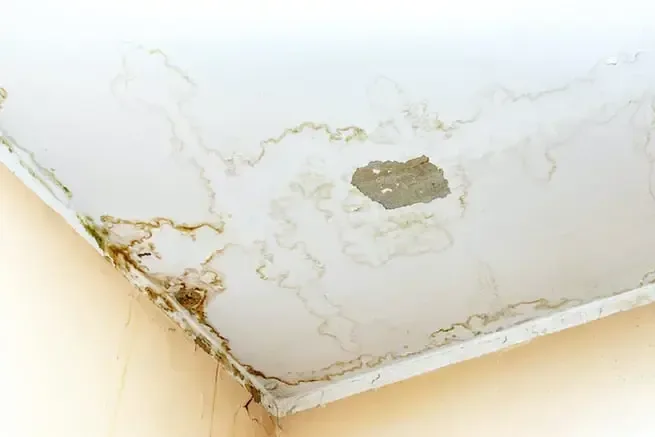
Rain can move inside cavities and along seams before appearing. Readings above, below, and beside the mark reveal the actual material boundary.
Is all storm water treated the same?
No. Direct rain entry differs from ground-contact runoff carrying soil and debris. The observed route determines contamination controls and porous-material decisions.
Can a wet ceiling remain in place?
Condition, attachment, water category, access, and readings control that decision. A sagging or unstable ceiling must be avoided until it can be assessed safely.
What belongs in the storm-loss file?
Weather context, opening photographs, interior paths, readings, extraction notes, material decisions, equipment entries, and final comparisons explain the work without overstating cause.
Where is storm cleanup available?
Service extends across Fort Washington, Maple Glen, Jarrettown, Dresher, and other township areas. Inspection establishes the scope for each affected building.
Trace rain entry before concealed moisture spreads farther
The mitigation team documents openings, extracts interior water, evaluates connected assemblies, and tracks drying separately from exterior repair.