Water Extraction in Upper Dublin, PA
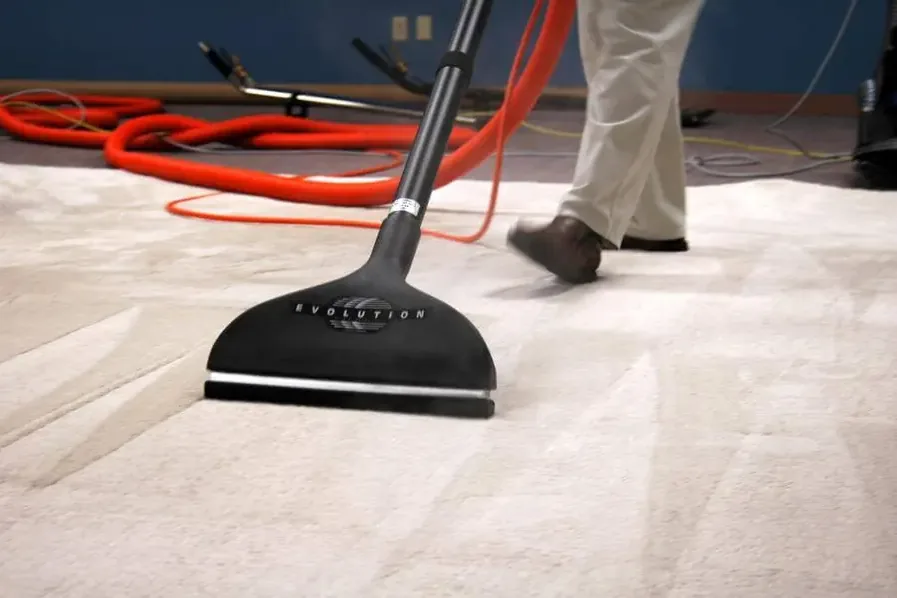
Extraction starts with a safe route and an accurate wet boundary, then removes accessible liquid without spreading water through unaffected rooms.
(888) 557-1733Arrange a mapped extraction- Wet edges marked
- Surface tools selected
- Dry rooms protected
What to do the moment you find standing water in Upper Dublin Township
- 1Protect people first
Keep everyone away from electrical hazards, unstable finishes, sewage, and hidden walking surfaces.
- 2Preserve the initial boundary
Photograph water routes, floor edges, wall bases, contents, and connected rooms before extraction.
- 3Stop safe active flow
Use an accessible shutoff only when conditions permit, leaving pipe correction to the proper trade.
- 4Request a material survey
Technicians can select extraction tools after identifying water condition, surfaces, access, and concealed margins.
How the crew handles standing water
- AMap the affected area
Readings at transitions and adjoining rooms define the work zone.
- BRecover open liquid
Surface-specific tools reduce water without pushing it into dry spaces.
- CInspect hidden margins
Perimeters, cabinets, and seams receive follow-up measurements after removal.
- DSet drying targets
Retained materials are assigned comparison points for the next phase.
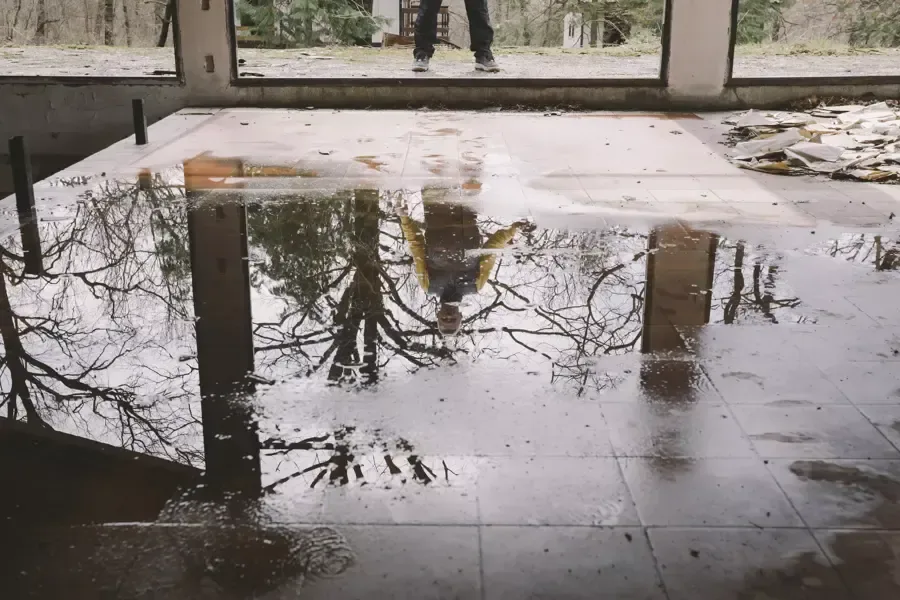
Standing water can travel farther than its visible edge, especially where flooring meets a wall, doorway, cabinet, or adjoining room. In Upper Dublin, the extraction crew treats Fort Washington, Maple Glen, and Jarrettown as access context rather than evidence about a building. A room survey and material readings establish the actual reach of water before equipment changes the scene.
What does water extraction & removal cost in Upper Dublin Township, PA?
Water extraction commonly costs $1,000 to $6,000. Liquid volume, connected rooms, finish layers, contents, access limits, and the structural drying that follows determine the final scope.
Contained area
$1,000 to $2,450
- Focused wet-area survey
- Direct liquid recovery
- Opening moisture notes
Several rooms
$2,450 to $4,550
- Connected floor transitions
- Protected equipment route
- Repeated edge checks
Complex loss
$4,550 to $6,000+
- Concealed water tracing
- Selective material access
- Extended drying records
Drivers: the water category, the square footage, the material class and how fast drying started. For a planning range, try the water damage cost calculator.
How the team handles standing water in Upper Dublin Township
- 1
Moisture mapping
The tech who does the walkthrough maps wet materials with thermal imaging and pinless meters first.
- 2
Extraction
The extraction crew pulls standing water out with truck-mounted extraction, so it leaves the building.
- 3
Air movers and LGR
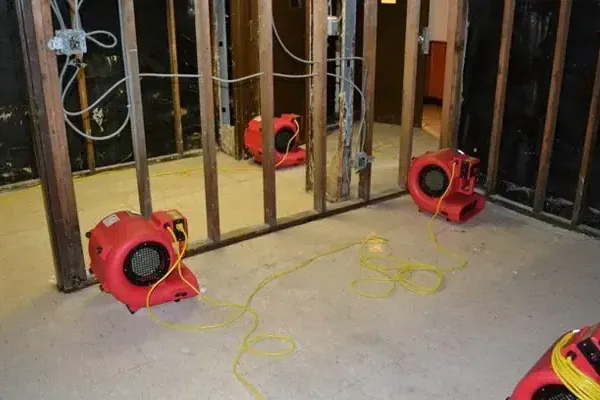
Air movers are set to each room's evaporation load; LGR dehumidifiers pull the moisture from the air.
- 4
Dry verification
Crews log readings daily and pull equipment once wet material is within 2 to 4 points of a dry reference.
Describe the source, wet rooms, and any immediate safety concerns.
(888) 557-1733Request a liquid-removal surveyControl and access come before pumping
An active release must be stabilized by the appropriate trade or an accessible shutoff when conditions are safe. Technicians then identify electrical concerns, loose finishes, contamination, and a route that will not track moisture into dry spaces. Open liquid, saturated carpet, floor seams, and tight perimeters may require different extraction tools. The work plan follows water condition, depth, attachment, and surface response.
- Keep occupants away from slick floors and wet electrical components.
- Photograph the original water boundary before contents are moved.
- Create a protected equipment route through unaffected areas.
Every edge receives a second look
Removing the puddle lowers the immediate moisture load, but it does not settle what happened under a finish. After the first recovery pass, technicians check thresholds, wall bases, fixed cabinets, and floor transitions. A small opening may be considered when a concealed layer cannot be assessed from the surface. Decisions stay tied to readings, water category, and material condition, not assumptions about homes near Limekiln Pike.
Extraction creates the drying map
Readings of retained moisture determine where air movement and dehumidification are needed. Equipment is arranged around materials that can be retained, while unsafe or unsalvageable porous items follow a controlled removal path. Marked measurement points allow later readings to be compared without shifting the test location. See structural drying methods when liquid removal is complete but assemblies remain damp.
- Compare affected materials with suitable dry references.
- Track room conditions while moisture leaves retained assemblies.
- Change equipment placement when readings show an uneven response.
A clear file explains the response
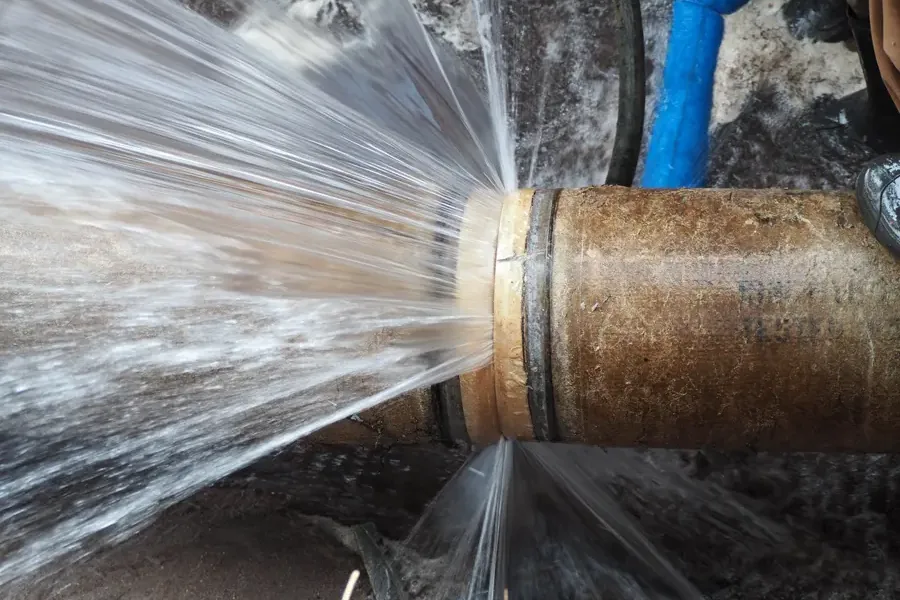
Wide photographs, close views, extraction notes, affected-material lists, and closing measurements show what was observed and done. Township officials reported a water-main break in Fort Washington. At an affected property, the extraction crew records the source status and the wet room boundary before placing removal equipment. Inspect burst pipe cleanup when a supply release is confirmed.
Once open water is gone, the crew walks the original boundary again and checks every marked transition. The closeout identifies retained finishes, drying areas, source work reported by others, and any repair item that remains. Room photographs include the position of moved furniture and stored items. Returning those contents becomes easier when the owner can distinguish unaffected belongings from items still awaiting drying, cleaning, or a separate replacement decision.
Water Extraction and Removal coverage in Upper Dublin Township
Extraction service covers Fort Washington, Maple Glen, Dresher, Jarrettown, and properties near Limekiln Pike. Work zones follow source conditions, safe access, material readings, and observed water movement at the building. Measured conditions set the exact boundary.
Related water damage services in Upper Dublin Township
Water extraction questions
What should happen before water is extracted?
Occupants should avoid hazards, a safe source should be controlled, and original conditions should be photographed. Technicians then map damp materials so removal does not erase useful evidence. The property survey confirms how that point applies to the loss.
Is the room dry when the puddle is gone?
Not necessarily. Water may remain under flooring, inside a wall base, or around fixed finishes. Repeatable measurements determine whether additional access and drying are needed.
Can wet carpet be retained?
Water condition, backing, padding, attachment, time wet, and the condition below it all matter. The recommendation follows inspection rather than a universal rule.
How are unaffected rooms protected?
A planned route keeps hoses, equipment, wet contents, and removed material within controlled paths. Boundaries may change when new readings reveal concealed spread.
What belongs in the extraction record?
Useful records include source findings, overview photographs, wet-edge images, room notes, material readings, extraction actions, equipment placement, and final comparisons.
Where is extraction available locally?
Coverage includes Fort Washington, Maple Glen, Dresher, and Jarrettown. Property measurements and access conditions determine the equipment and sequence used at each assignment.
Does a nearby main break prove this source?
No. A reported event can explain local context, but source tracing at the affected building is required before cause, responsibility, or repair scope is assigned.
Reduce standing water without losing the full boundary
The extraction team maps connected materials, recovers accessible liquid, and records what remains damp for targeted structural drying.