Burst Pipe Cleanup in Upper Moreland, PA
A broken supply pipe can spread water quickly through connected finishes, making source control, extraction, and concealed-moisture checks equally important inside the property.
(888) 557-1733Map the pipe-release path- Source control coordination
- Rapid liquid recovery
- Cavity moisture checks
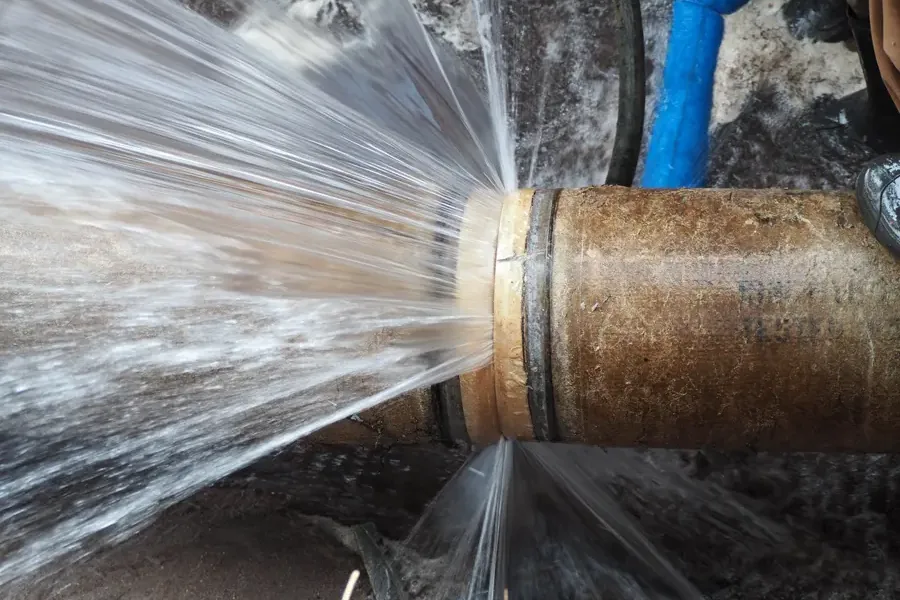
What to do the moment you find a burst supply pipe in Upper Moreland Township
- 1Reach a safe shutoff
Close an accessible valve only without crossing water, exposed electricity, weak ceilings, or slippery damaged finishes.
- 2Protect people below
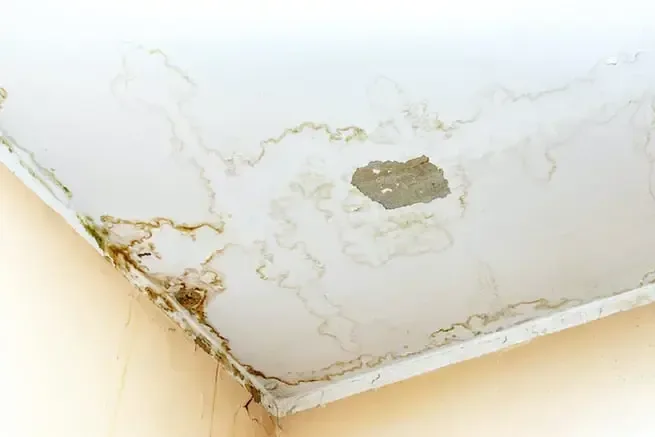
Keep everyone away from sagging ceilings, active dripping, wet fixtures, and rooms where hidden material may fall.
- 3Capture the water path
Photograph the break area, spray direction, room edges, wet contents, and connected levels before extraction.
- 4Separate repair and drying
Arrange pipe correction with the proper trade while mitigation specialists remove water and measure affected assemblies.
How the crew handles a burst supply pipe
- AConfirm source control
The crew verifies that active flow has stopped and records the observed release location and connected rooms.
- BRemove pooled water
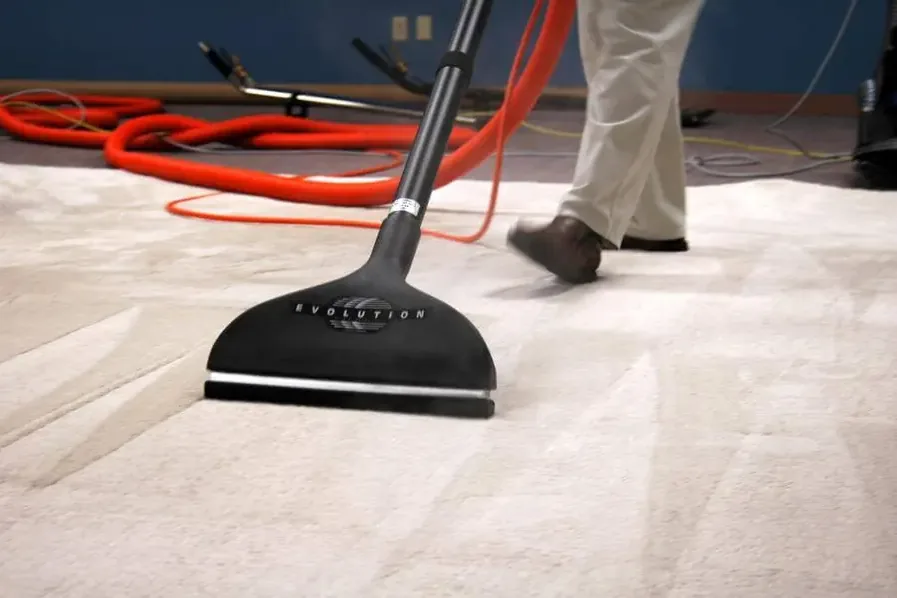
Surface-appropriate extraction reduces liquid before it can migrate farther through finish layers and openings.
- CTrace concealed moisture
Meter readings direct checks at cavities, insulation, wall bases, floors, cabinets, and adjacent levels.
- DDry and compare
Selective access, airflow, dehumidification, and recurring measurements support the completion decision.
A pressurized release near Willow Grove can send water through a ceiling, along a wall cavity, or across several rooms before the shutoff is reached. People should avoid wet electrical areas and weakened finishes. Once an accessible valve can be operated safely, a plumbing trade addresses the broken pipe while the mitigation crew follows the water route through every affected material inside the building.
What does burst pipe cleanup cost in Upper Moreland Township, PA?
Burst pipe cleanup in Upper Moreland commonly costs $1,800 to $11,000. Release volume, connected rooms, insulation, finish access, contents, extraction, and drying duration influence the scope.
Contained area
$1,800 to $4,480
- Limited pipe-release zone
- Direct liquid extraction
- Initial cavity checks
Several rooms
$4,480 to $8,320
- Connected wet spaces
- Selective finish openings
- Recurring moisture monitoring
Complex loss
$8,320 to $11,000+
- Multiple affected levels
- Extensive insulation handling
- Longer equipment oversight
Drivers: the water category, the square footage, the material class and how fast drying started. For a planning range, try the water damage cost calculator.
How the team handles a burst supply pipe in Upper Moreland Township
- 1
Moisture mapping
The tech who does the walkthrough maps wet materials with thermal imaging and pinless meters first.
- 2
Extraction
The extraction crew pulls standing water out with truck-mounted extraction, so it leaves the building.
- 3
Air movers and LGR
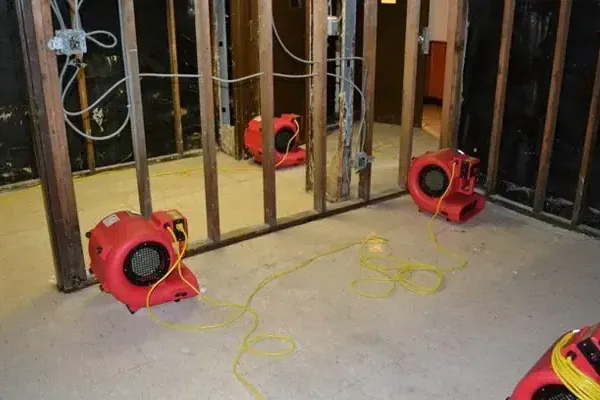
Air movers are set to each room's evaporation load; LGR dehumidifiers pull the moisture from the air.
- 4
Dry verification
Crews log readings daily and pull equipment once wet material is within 2 to 4 points of a dry reference.
Describe the source, wet rooms, and any immediate safety concerns.
(888) 557-1733Request a pipe-loss moisture mapThe opening scene preserves useful evidence
Photographs taken before contents move can show spray direction, water edges, ceiling staining, and the relationship between rooms. Technicians record the observed break location without guessing pipe material from a building's age or neighborhood. Around County Line Road, local context helps describe service coverage but never replaces direct inspection of the failed component.
- Close a safe, accessible shutoff when possible.
- Stay out from beneath swollen or sagging ceiling finishes.
- Move dry portable contents away from advancing water.
Extraction follows gravity and connected openings
Water may collect on one floor while leaving damp insulation, framing, and wall bases above or below it. Surface extraction reduces the immediate load. Meter checks then trace transitions, cabinetry, shafts, and shared walls. Near SEPTA's Warminster Line, the building layout remains the only reliable basis for locating concealed spread.
Selective access supports drying
Some assemblies can dry in place when contamination, condition, and access permit. Others require carefully chosen openings so wet material can be removed or airflow can reach a cavity. The crew avoids broad demolition by tying each opening to measurements. Air movement and dehumidification are adjusted as readings change.
- Mark material locations before repeat monitoring.
- Keep repair notes separate from mitigation records.
- Check rooms above, below, and beside the release.
Closing documents connect the sequence
The file can include source photographs, plumbing findings, extraction notes, material access, equipment positions, and final comparisons on site. That sequence supports clear communication without promising an insurance outcome. See water extraction for pooled liquid, or see structural drying for remaining assembly moisture.
A pipe release can affect trim, insulation, cabinets, and flooring differently even within one room. The crew labels those materials separately and avoids using one reading to represent the entire area. If plumbing access changes the assembly, new measurements document the exposed surfaces. Contents moved for extraction are returned only after their destination is suitable. The final room-by-room comparison makes the mitigation scope understandable to the property owner, plumbing trade, and insurance representative without combining their separate decisions.
Additional checks confirm the documented route. The repair provider receives a clear location for the source opening and the finishes left exposed. This makes the transition from pipe work to wall or floor repair easier to follow after extraction equipment leaves.
Burst Pipe Cleanup coverage in Upper Moreland Township
Burst pipe cleanup extends across Willow Grove, County Line Road, and areas near the Warminster Line. The observed break, affected levels, finish layers, and safe access determine mitigation.
Related water damage services in Upper Moreland Township
Burst pipe cleanup questions
Who repairs the broken pipe?
A proper plumbing trade corrects the failed pipe. The restoration crew handles water extraction, affected material decisions, drying equipment, moisture checks, and mitigation records.
How is a damaged pipe assessed?
The plumber identifies the failed component, its material, and the repair needed. Cleanup technicians follow the escaped water into surrounding finishes and mark the areas requiring extraction or drying.
Why check rooms away from the break?
Water follows gravity, openings, and connected assemblies. Meter readings at adjacent rooms and levels can reveal spread beyond the visible spray or puddle.
Can a wet ceiling stay in place?
That depends on stability, contamination, saturation, material condition, and drying access. No one should stand below bulging or weakened ceiling finishes.
How is unnecessary removal avoided?
Technicians connect openings to observed damage and moisture readings. Retainable assemblies receive monitoring, while inaccessible or damaged wet materials may need selective removal.
What records help with a claim discussion?
Source images, plumbing findings, room photographs, extraction entries, removal notes, equipment dates, and final readings explain the mitigation sequence. Policy terms decide coverage.
Where is pipe-loss cleanup available?
Service covers Willow Grove, County Line Road, and areas near the Warminster Line. The actual break and building layout define the work, access points, equipment positions, and final comparisons on site.
Follow released water through rooms, cavities, and floor transitions
The response team coordinates source control, extracts liquid, opens only measured areas, and records the drying result by assembly.