Flood Cleanup in Upper Moreland, PA
Outside water brings unknown contaminants indoors, so cleanup begins with restricted access, source observations, and conservative material decisions inside the property.
(888) 557-1733Set controls for outside water- Safe access planning
- Contaminated material examine
- Cleaning before drying
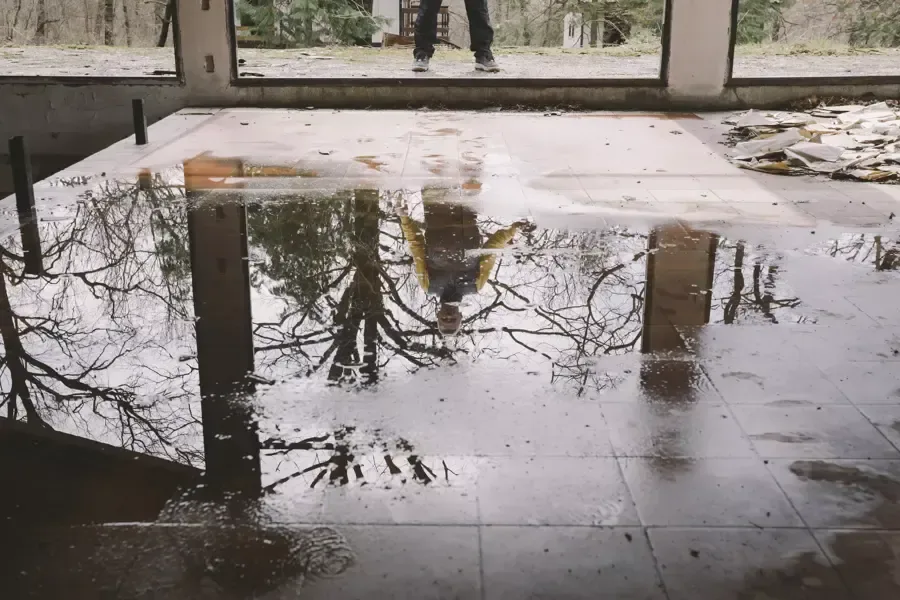
What to do the moment you find outside floodwater in Upper Moreland Township
- 1Stay out of uncertain water
Avoid submerged electrical hazards, hidden floor openings, unstable finishes, moving water, and contaminated debris.
- 2Photograph the entry route
Record openings, exterior conditions, water edges, affected rooms, and belongings from a safe position before extraction.
- 3Protect unaffected space
Close access where practical and keep people, pets, dry contents, and ordinary cleaning tools outside the flood zone.
- 4Wait for material screening
Let specialists classify water conditions and examine porous finishes before moving or discarding affected items.
How the crew handles outside floodwater
- AEstablish a controlled zone
Hazards, water entry, occupied areas, and safe travel routes are documented before recovery starts.
- BExtract and remove
Accessible liquid is recovered while unsalvageable porous material leaves through a protected debris path.
- CClean retained surfaces
Durable materials receive detailed soil and residue removal before evaporation equipment is introduced.
- DDry to measured targets
Dehumidification, suitable airflow, and recurring readings confirm progress in retained structural assemblies.
After runoff enters a property near Pennypack Creek, the first task is to locate the entry point and keep occupants away from the affected area. Technicians inspect where water crossed the building, identify electrical and structural hazards, and set a controlled route before extraction. Outside water is treated conservatively because it may carry soil, debris, or other contaminants not visible in the puddle.
What does flood cleanup cost in Upper Moreland Township, PA?
Flood cleanup in Upper Moreland usually ranges from $4,000 to $22,000. Water spread, contamination, porous materials, debris, access, contents, cleaning, and structural drying needs determine the total.
Contained area
$4,000 to $9,100
- Limited flood zone
- Direct water extraction
- Focused surface cleaning
Several rooms
$9,100 to $16,900
- Connected contaminated areas
- Porous finish removal
- Expanded drying setup
Complex loss
$16,900 to $22,000+
- Broad debris handling
- Extensive material access
- Longer moisture monitoring
Drivers: the water category, the square footage, the material class and how fast drying started. For a planning range, try the water damage cost calculator.
How the team handles outside floodwater in Upper Moreland Township
- 1
Moisture mapping
The tech who does the walkthrough maps wet materials with thermal imaging and pinless meters first.
- 2
Extraction
The extraction crew pulls standing water out with truck-mounted extraction, so it leaves the building.
- 3
Air movers and LGR
Air movers are set to each room's evaporation load; LGR dehumidifiers pull the moisture from the air.
- 4
Dry verification
Crews log readings daily and pull equipment once wet material is within 2 to 4 points of a dry reference.
Describe the source, wet rooms, and any immediate safety concerns.
(888) 557-1733Request a floodwater assessmentEntry conditions shape the first decisions
Open doors, low openings, drainage pathways, and storm damage can create different water routes. The crew photographs each opening and traces the connected wet surfaces indoors. Around Woodlawn Park, property grading and individual openings still require direct inspection. Occupants should remain outside areas with hidden footing, wet electrical components, or weakened finishes.
- Do not wade through water to reach a switch or shutoff.
- Keep clean belongings away from the flood-affected route.
- Record the visible water edge before removal begins.
Contaminated liquid and porous materials are separated
Extraction equipment removes accessible water within the controlled zone. Saturated porous finishes and contents receive item-specific evaluations because thorough cleaning may not be practical. Durable materials may remain when access, condition, and cleaning allow. Near York Road, a business area and a residence may require different continuity plans, but both need the same evidence-based contamination decisions.
Cleaning makes managed drying possible
Soil and residue are removed from retained surfaces before drying equipment is arranged. Dehumidification controls vapor released by damp assemblies, while airflow is directed only where suitable after cleaning. Moisture readings at floor edges, wall bases, and connected rooms identify the remaining load. Equipment positions change as those readings improve.
- Maintain separation between clean and flood-affected tools.
- List removed finish layers and contents by room.
- Compare recurring readings at marked locations.
Records avoid broad conclusions
The project file can show entry observations, affected rooms, extracted water, material decisions, cleaning, equipment placement, and final readings. It should not claim that a property is inside a mapped flood zone without address-specific evidence. Compare storm water cleanup for rain-related entry, or examine structural drying after contaminated materials are addressed.
Exterior conditions are photographed only as context for the indoor assignment. Yard water, street drainage, and creek geography cannot establish what happened beneath a finished floor or behind a wall. Indoors, technicians test transitions after cleaning and look for residue that would prevent safe drying. The closing walkthrough identifies remaining repair needs separately from mitigation. That distinction keeps flood cleanup focused on contamination removal, moisture control, and verifiable material conditions.
Flood Cleanup coverage in Upper Moreland Township
Flood cleanup is available near Pennypack Creek, Woodlawn Park, and York Road. Observed entry routes, contamination, affected materials, contents, and safe access determine the controls at each property.
Related water damage services in Upper Moreland Township
Flood cleanup questions
Is outside water considered clean if it looks clear?
No. Floodwater can carry soil, debris, and contaminants that are not obvious by appearance. Access, extraction, cleaning, and material decisions should reflect that uncertainty.
How is floodwater entry assessed near Pennypack Creek?
Technicians follow water marks, debris, and wet surfaces back toward the entry point. The assessment records the rooms reached, the water condition, and hazards that must be controlled before removal begins.
Can wet wall finishes remain?
Porosity, contamination, saturation, cleaning access, and physical condition direct the decision. Retained materials must be accessible for cleaning and later moisture verification.
When do air movers enter the work area?
Drying equipment is arranged after contaminated liquid, soil, debris, and unsuitable porous materials have been addressed. Uncontrolled airflow should not spread contamination.
What belongs in a flood cleanup record?
Entry observations, room photographs, water boundaries, extraction notes, removed-material lists, cleaning actions, equipment dates, and final readings explain the mitigation sequence.
Can insurance coverage be predicted from the source?
No. Runoff, seepage, and storm entry may receive different treatment under a policy. The carrier and policy language control coverage and payment decisions.
Where does the crew provide flood cleanup?
Service includes properties near Pennypack Creek, Woodlawn Park, and York Road. Address-level conditions establish the actual water pathway and scope.
Control contaminated water before it moves into clean space
The mitigation crew restricts access, extracts liquid, evaluates porous materials, cleans retained surfaces, and documents measured drying.