Roof Leak Water Damage in Upper Moreland, PA
Rain entering above can travel through insulation, framing, ceilings, and walls before appearing, so inspection follows the entire indoor route below the opening.
(888) 557-1733Trace water below the roof- Safe overhead assessment
- Insulation evaluation
- Cavity drying records
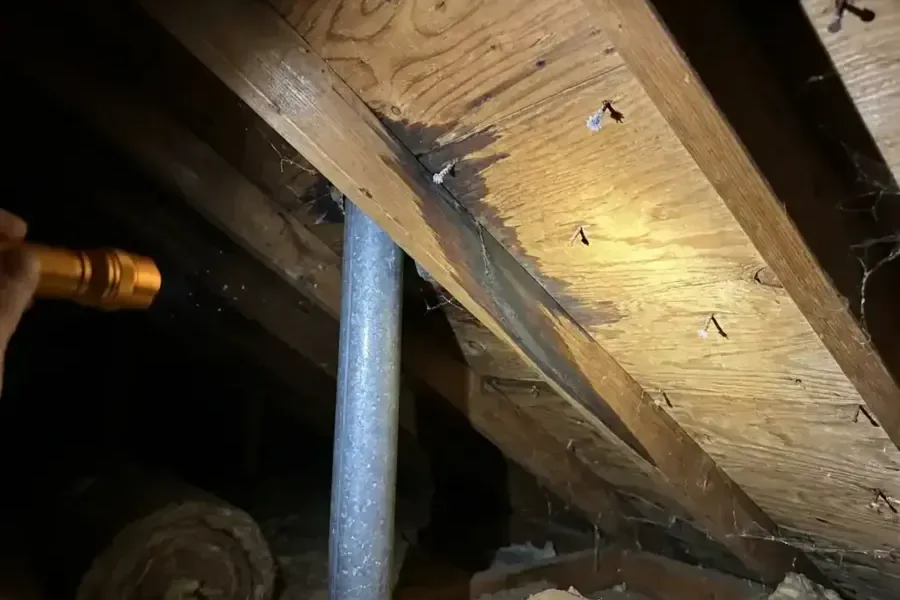
What to do the moment you find a roof leak in Upper Moreland Township
- 1Clear the room below
Keep occupants and contents away from soft ceilings, dripping fixtures, falling debris, and slippery floors.
- 2Avoid unsafe roof access
Do not climb onto wet or storm-damaged roofing; leave temporary protection and repair to the proper trade.
- 3Record the visible route
Photograph exterior observations from safety, then capture stains, drips, wall paths, floors, and affected belongings.
- 4Control entry before drying
Confirm temporary or permanent source correction while technicians map indoor moisture and prepare selective access.
How the crew handles a roof leak
- ASecure occupied space
The crew isolates unstable overhead areas, protects dry contents, and records the initial interior condition.
- BConnect entry and damage
Roof observations and interior readings establish the route through insulation, cavities, ceilings, walls, and floors.
- COpen measured areas
Selective access removes unsuitable wet material and exposes retained assemblies without broad unsupported demolition.
- DDry and confirm
Airflow, dehumidification, and recurring direct readings verify progress after exterior entry is controlled.
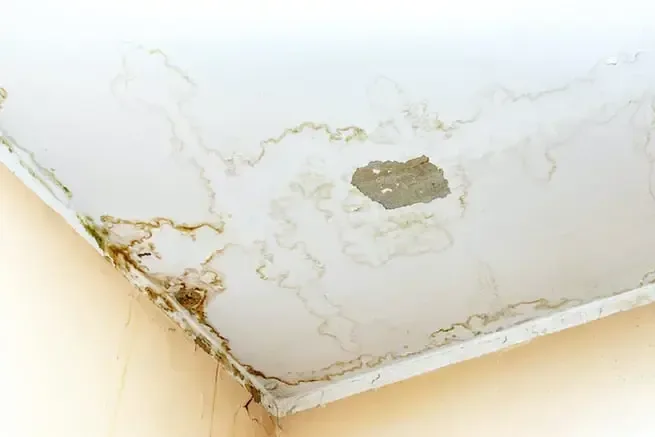
Rain entering a property near Woodlawn Park may show as a ceiling stain far from the exterior opening. Water can follow framing and insulation before reaching occupied space. The mitigation team first protects the room below, records visible patterns, and checks connected materials. A roofing trade handles temporary or permanent roof correction; interior recovery remains a separate assignment.
What does roof leak water damage cost in Upper Moreland Township, PA?
Roof leak cleanup in Upper Moreland often costs $1,500 to $10,000. Entry route, wet insulation, ceiling stability, connected rooms, access, contents, and drying duration shape the total.
Contained area
$1,500 to $4,024
- Limited roof-entry zone
- Focused ceiling inspection
- Initial moisture readings
Several rooms
$4,024 to $7,475
- Connected overhead pathways
- Selective insulation access
- Expanded drying equipment
Complex loss
$7,475 to $10,000+
- Broad cavity spread
- Extensive finish handling
- Longer monitoring period
Drivers: the water category, the square footage, the material class and how fast drying started. For a planning range, try the water damage cost calculator.
How the team handles a roof leak in Upper Moreland Township
- 1
Moisture mapping
The tech who does the walkthrough maps wet materials with thermal imaging and pinless meters first.
- 2
Extraction
The extraction crew pulls standing water out with truck-mounted extraction, so it leaves the building.
- 3
Air movers and LGR
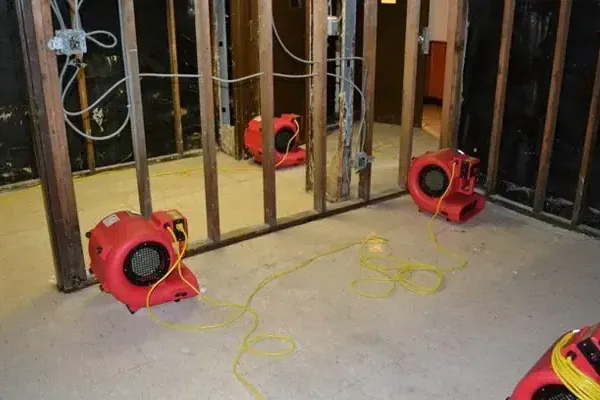
Air movers are set to each room's evaporation load; LGR dehumidifiers pull the moisture from the air.
- 4
Dry verification
Crews log readings daily and pull equipment once wet material is within 2 to 4 points of a dry reference.
Describe the source, wet rooms, and any immediate safety concerns.
(888) 557-1733Request an interior roof-path assessmentSafety begins below the damaged area
Sagging finishes, wet light fixtures, and falling debris require a clear zone. Portable dry contents can be moved without standing beneath unstable material. Near Terwood Road, no roof type or age should be inferred from the location. The actual covering, opening, and interior route are established by inspection.
- Stay away from bulging ceilings and wet electrical fixtures.
- Photograph stains, drips, and contents from a safe position.
- Use exterior protection only when conditions allow safe access.
The interior map follows more than the stain
Technicians check ceiling material, insulation, framing, walls, and floors along the suspected path. Thermal patterns can help prioritize areas, but direct readings confirm moisture. Around Moreland Road, adjoining rooms and lower levels are checked when the building layout suggests a connected route. Marked moisture readings define the areas needing access and the materials that can stay in place.
Wet insulation and cavities need direct decisions
Insulation may hold water against framing or finishes. Its condition, contamination, and access determine whether it remains. Selective openings expose wet material and improve airflow when measurements justify them. Dehumidification controls indoor vapor while suitable air movement supports evaporation from retained assemblies.
- Mark each reading location for later comparison.
- Record roof correction separately from interior mitigation.
- Inspect floors and contents beneath the entry path.
Closing evidence spans the full route
The file can connect exterior observations, roof work, interior photographs, material access, equipment placement, and final readings. It documents response without promising coverage. See ceiling leak cleanup for overhead safety, or examine structural drying for retained assemblies.
Rain entry can recur if temporary exterior protection changes, so interior monitoring includes fresh visual checks before each measurement round. Technicians note new stains separately and verify that previously wet locations continue improving. Contents beneath the route remain protected until overhead materials are stable. At closure, the mitigation record identifies dry retained assemblies and leaves roof replacement, finish repair, and reconstruction as distinct follow-up scopes. That separation prevents a repaired exterior opening from being mistaken for a completed interior dry-out.
A final room inspection confirms that no new stain appeared after exterior correction.
Those findings complete the interior record. The interior record names any ceiling bay waiting on permanent roof work. Keeping that status beside the drying results helps the owner coordinate trades and report new dripping before the finish is replaced.
Roof Leak Water Damage coverage in Upper Moreland Township
Roof leak mitigation serves Woodlawn Park, Terwood Road, and Moreland Road areas. Exterior entry, insulation condition, ceiling stability, connected rooms, safe access, and occupied areas shape the interior recovery plan.
Related water damage services in Upper Moreland Township
Roof leak damage questions
Who repairs the roof opening?
A roofing trade handles temporary protection and permanent correction. The restoration contractor manages interior water, affected materials, drying equipment, and moisture documentation.
Can the ceiling stain locate the exterior leak?
Not reliably. Water can travel along framing or insulation before appearing. Exterior observations and interior measurements must be connected during inspection.
Should wet insulation always be removed?
Condition, contamination, saturation, type, and drying access direct the decision. Direct inspection determines whether insulation can remain or needs selective removal.
Can occupants stay in the room?
Not beneath sagging finishes, wet electrical fixtures, or falling debris. Safe occupancy depends on separation, electrical conditions, and the observed stability of materials.
What proves the cavity is dry?
Repeated direct readings at marked framing, ceiling, wall, and insulation locations are compared with suitable dry goals before equipment leaves.
Does insurance always cover rain entry?
No. Policy wording, maintenance conditions, cause, and carrier examine control coverage. Mitigation records describe the work without determining the claim outcome.
Where is roof leak service provided?
Coverage includes Woodlawn Park, Terwood Road, and Moreland Road properties. The inspected roof opening and indoor water route define the scope, access, equipment zones, and closing measurements, retained materials, insulation findings, contents conditions, and remaining finish repair needs throughout the affected rooms during the documented closing visit.
Protect rooms below while concealed roof water is mapped
The restoration team coordinates source control, evaluates insulation and finishes, creates measured access, and verifies drying through repeated readings.