Sewage Cleanup in Upper Moreland, PA
A sewage release requires immediate access controls, careful removal, and cleaning before retained structural materials can enter a managed drying phase inside the building.
(888) 557-1733Isolate the sewage-affected area- Restricted work zone
- Contaminated material decisions
- Cleaning before drying
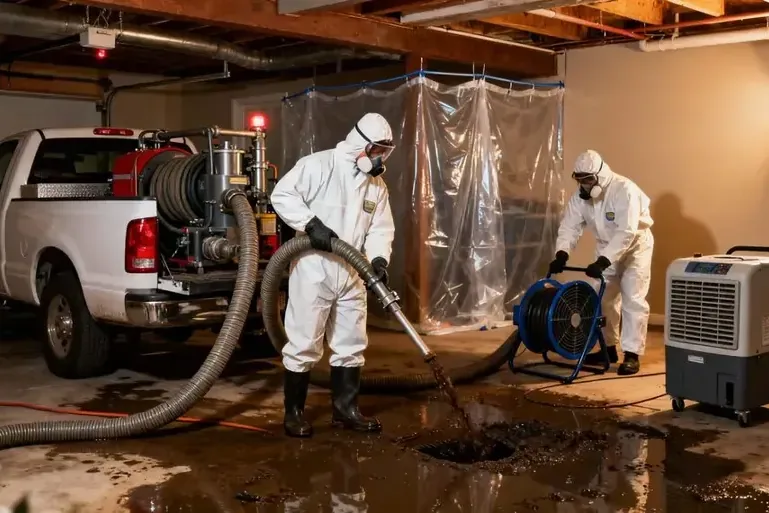
What to do the moment you find a sewage backup in Upper Moreland Township
- 1Block access
Keep occupants and pets outside the affected room and avoid carrying belongings through contaminated water or residue.
- 2Avoid unsafe cleanup
Do not use ordinary household vacuums, place fans on sewage, or handle porous debris without proper controls.
- 3Document from a safe position
Photograph the visible source, affected rooms, water path, and contents without entering a hazardous area.
- 4Separate drain correction
Arrange plumbing work for the backup source while the restoration crew manages extraction, material removal, cleaning, and drying.
How the crew handles a sewage backup
- AEstablish contamination controls
The crew restricts access, protects travel routes, and records affected rooms before disturbing sewage water.
- BRemove water and debris
Designated equipment extracts liquid while unsalvageable porous materials are contained within the work zone.
- CClean retained surfaces
Durable materials receive detailed cleaning after contaminated contents and finish layers leave the area.
- DDry and document
Measured airflow and dehumidification address retained moisture, with repeated readings supporting final decisions.
A sewage backup near Willow Grove station is handled as contaminated water from the beginning. Occupants and pets should stay away, and no one should carry belongings through the affected area. The restoration team establishes a work boundary, documents the source area, and coordinates with the plumbing trade responsible for stopping the drain problem. Cleanup then follows a dirty-to-clean sequence that prevents avoidable transfer.
What does sewage cleanup cost in Upper Moreland Township, PA?
Sewage cleanup in Upper Moreland generally ranges from $3,500 to $18,000. Affected area, porous materials, access, contents, removal needs, detailed cleaning, and drying time shape the cost.
Contained area
$3,500 to $7,524
- Defined contaminated zone
- Direct sewage extraction
- Basic surface cleaning
Several rooms
$7,524 to $13,975
- Multiple restricted spaces
- Porous material removal
- Expanded cleaning records
Complex loss
$13,975 to $18,000+
- Broad contamination controls
- Extensive contents handling
- Longer verified drying
Drivers: the water category, the square footage, the material class and how fast drying started. For a planning range, try the water damage cost calculator.
How the team handles a sewage backup in Upper Moreland Township
- 1
Moisture mapping
The tech who does the walkthrough maps wet materials with thermal imaging and pinless meters first.
- 2
Extraction
The extraction crew pulls standing water out with truck-mounted extraction, so it leaves the building.
- 3
Air movers and LGR
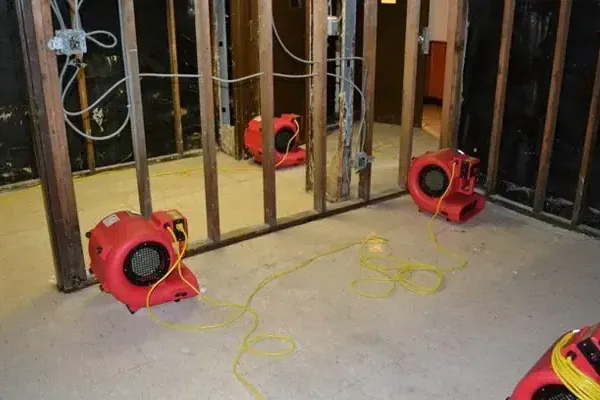
Air movers are set to each room's evaporation load; LGR dehumidifiers pull the moisture from the air.
- 4
Dry verification
Crews log readings daily and pull equipment once wet material is within 2 to 4 points of a dry reference.
Describe the source, wet rooms, and any immediate safety concerns.
(888) 557-1733Request a contamination-control planIsolation comes before removal
Doors, pathways, and adjacent rooms are considered before extraction starts. Workers use appropriate protective procedures and create a controlled route for equipment and discarded material. Porous items touched by sewage face stricter decisions than durable surfaces that can be thoroughly cleaned. Near Blair Mill Road, the same contamination principles apply regardless of the type of property involved.
- Keep people away from the contaminated room.
- Do not run fans that could spread unsanitary droplets or debris.
- Leave drain opening and blockage correction to the proper trade.
Extraction and removal reduce the contaminant load
Accessible liquid is recovered with equipment designated for the work zone. Saturated porous finishes may need removal so remaining surfaces can be exposed for cleaning. Technicians bag debris within the controlled area and protect paths leading outside. The Upper Moreland-Hatboro Joint Sewer Authority provides sewage service. The owner can coordinate the source inspection with the appropriate plumbing provider while the restoration team controls contaminated materials indoors.
Cleaning precedes structural drying
Remaining durable surfaces are cleaned according to their condition after contaminated liquid and unsalvageable material are removed. Only then does the drying setup address retained moisture. Dehumidification manages vapor, while directed airflow supports suitable cleaned assemblies. Readings are taken at marked locations instead of relying on odor or appearance.
- Keep clean tools separate from contaminated equipment.
- Record removed materials and retained surfaces by room.
- Verify moisture improvement after cleaning is complete.
The file supports clear follow-through
Photographs, work-zone notes, material inventories, cleaning records, and drying measurements explain the mitigation sequence. Near County Line Road, a current property still needs its own drain diagnosis and material inspection. See water extraction for sanitary-water removal, or see structural drying for the later moisture-control stage.
Clean-zone restoration is considered only after the contaminated phase is complete. Tools, protective coverings, and travel routes are removed in an order that does not reintroduce residue. Technicians inspect transitions at doors, wall bases, and fixed furnishings, then record the condition of each retained surface. This final separation between drain repair, sanitation, drying, and later rebuilding keeps responsibilities understandable and prevents an odor check from being mistaken for objective completion evidence.
Sewage Cleanup coverage in Upper Moreland Township
Sewage mitigation operates around Willow Grove, Blair Mill Road, and County Line Road. Drain findings, contamination spread, porous materials, occupied areas, and safe debris routes determine the property-specific controls.
Related water damage services in Upper Moreland Township
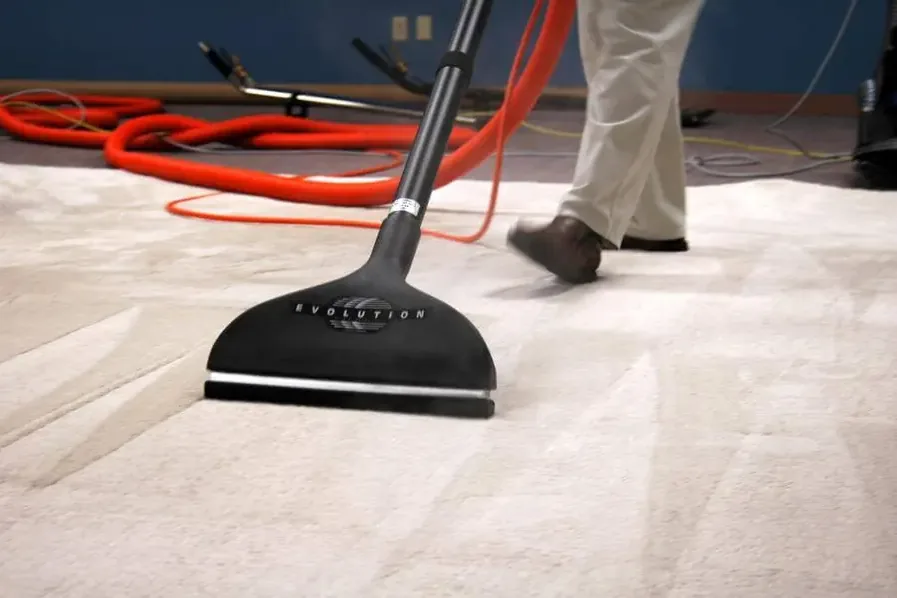
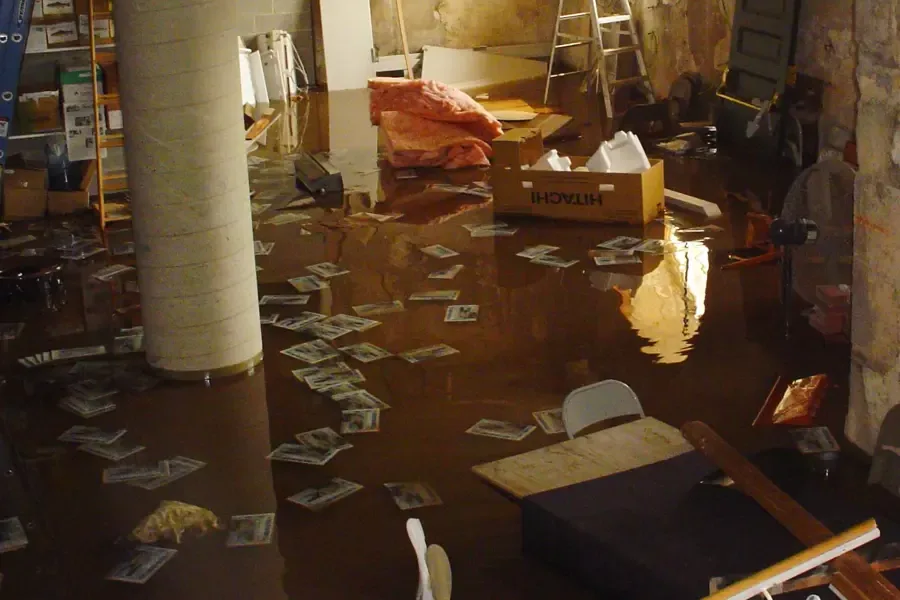
Sewage cleanup questions
Can occupants clean a small sewage spill?
Sewage can expose people and spread contamination beyond the visible puddle. Restrict access and let trained personnel establish appropriate removal, cleaning, and material controls.
Why should fans stay off at first?
Uncontrolled airflow can move droplets, debris, or contaminants into unaffected space. Drying equipment is introduced after extraction, removal decisions, and necessary cleaning steps.
Which materials usually need removal?
Porosity, saturation, contamination, and cleaning access direct the decision. Technicians inspect each finish and content item rather than applying one rule to every room.
Who corrects the blocked drain?
A plumbing trade diagnoses and repairs the drain problem. The restoration contractor handles the contaminated water, affected materials, cleaning, moisture control, and mitigation documentation.
Does the public sewer provider determine responsibility?
No. The Upper Moreland-Hatboro Joint Sewer Authority is the confirmed provider, but a property-specific inspection is needed to identify the source and responsible component.
How is completion documented?
The project file can include initial photographs, work-zone notes, removed-material lists, cleaning records, equipment dates, and final moisture comparisons for retained structural materials.
What parts of the township are served?
Cleanup reaches Willow Grove station, Blair Mill Road, and County Line Road areas. The contaminated boundary and safe equipment route determine the setup.
Contain sewage before foot traffic spreads the affected zone
The cleanup crew isolates rooms, removes contaminated water and materials, cleans retained surfaces, and verifies the later drying work.