Sump Pump Failure Cleanup in Upper Moreland, PA
When a property has a sump system and water escapes the basin area, cleanup addresses the actual inflow, affected finishes, and hidden moisture.
(888) 557-1733Evaluate the pump overflow area- Basin-area extraction
- Source condition noted
- Lower-level drying
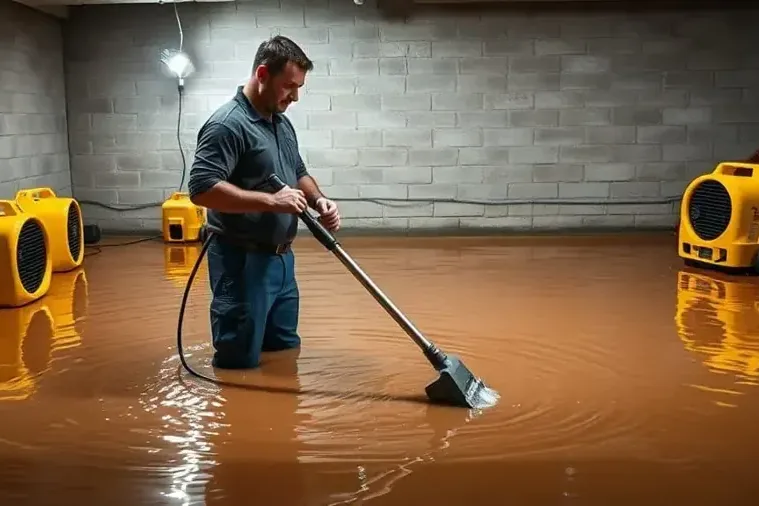
What to do the moment you find a failed sump pump in Upper Moreland Township
- 1Keep clear of electricity
Do not enter standing water to reach a pump, receptacle, switch, panel, or temporary power connection.
- 2Observe without disturbing
Photograph basin level, visible inflow, pump status, and the route water followed across the room.
- 3Protect clean storage
Move only dry portable items that can be reached without crossing wet or contaminated flooring.
- 4Arrange separate corrections
A qualified pump or plumbing trade addresses the failed system while mitigation specialists remove water and dry materials.
How the crew handles a failed sump pump
- AConfirm the situation
The crew records pump status, continuing inflow, hazards, water condition, and affected spaces before removal.
- BExtract around the basin
Suitable equipment recovers accessible liquid while work routes protect unaffected parts of the property.
- CInspect concealed spread
Readings identify moisture at floor edges, wall bases, contents, and adjoining lower-level rooms.
- DDry to recorded goals
Cleaning, airflow, dehumidification, and repeat measurements continue independently of the pump repair.
A pump failure is a property finding, not a township-wide assumption. When a sump is present near Moreland Road and water leaves its intended collection area, the response starts by observing inflow, electrical safety, pump condition, and the route water took. Cleanup can then separate equipment repair from water removal and drying. A plumbing or pump trade handles correction while the restoration crew addresses affected rooms and contents.
What does sump pump failure cleanup cost in Upper Moreland Township, PA?
Sump pump failure cleanup in Upper Moreland often costs $1,500 to $8,500. Water condition, spread from the basin, finish layers, contents, access, and drying time influence the final scope.
Contained area
$1,500 to $3,500
- Small basin-area loss
- Accessible water extraction
- Opening material checks
Several rooms
$3,500 to $6,500
- Connected lower-level areas
- Contents relocation needs
- Repeated moisture readings
Complex loss
$6,500 to $8,500+
- Broader hidden migration
- Selective assembly access
- Extended controlled drying
Drivers: the water category, the square footage, the material class and how fast drying started. For a planning range, try the water damage cost calculator.
How the team handles a failed sump pump in Upper Moreland Township
- 1
Moisture mapping
The tech who does the walkthrough maps wet materials with thermal imaging and pinless meters first.
- 2
Extraction
The extraction crew pulls standing water out with truck-mounted extraction, so it leaves the building.
- 3
Air movers and LGR
Air movers are set to each room's evaporation load; LGR dehumidifiers pull the moisture from the air.
- 4
Dry verification
Crews log readings daily and pull equipment once wet material is within 2 to 4 points of a dry reference.
Describe the source, wet rooms, and any immediate safety concerns.
(888) 557-1733Request a pump-area moisture checkThe cause and the wet area are mapped separately
The pump may stop because of power loss, mechanical failure, blockage, or another condition confirmed on site. Meanwhile, water can spread well beyond the basin. Technicians photograph the starting condition, define the visible edge, and test walls, flooring, storage areas, and adjoining rooms. Near the Pennsylvania Turnpike, local geography does not reveal whether any particular building has a pump or how its system is arranged.
- Avoid touching equipment in standing water.
- Keep cords and temporary power away from wet walking surfaces.
- Preserve pump and water-level observations for the work record.
Water condition governs cleaning choices
Clear-looking water still needs source evaluation. Groundwater, runoff, and drain-related water can require different controls from a recent supply release. Porous contents may need cleaning, relocation, or removal depending on contamination and condition. Around Terwood Road, decisions remain tied to the property inspection rather than assumptions based on the corridor.
Lower-level assemblies need deliberate drying
Extraction removes accessible water around the basin and across open floors. Moisture checks then locate water retained beneath finishes or inside wall bases. Air movers and dehumidifiers are positioned for those measured areas, with changes made as materials release moisture. The pump repair and the drying endpoint are separate decisions.
- Check stored belongings before moving them through dry rooms.
- Monitor floor edges and wall bottoms at consistent points.
- Record when equipment is adjusted or removed.
A prevention discussion follows the cleanup
After recovery, the property owner can discuss pump testing, power options, discharge conditions, and maintenance with the appropriate trade. The restoration record remains focused on water and materials. See basement flooding cleanup for lower-level controls, and examine structural drying for the moisture-monitoring phase.
The area around the basin receives a closing inspection after extraction because seams, stored contents, and nearby wall finishes can remain damp. Technicians compare the pump-side readings with dry parts of the room and note whether continuing inflow changed. After the pump is repaired or restarted, moisture checks continue in the materials reached by the earlier overflow. Final readings show when those materials have reached their drying goals.
Sump Pump Failure Cleanup coverage in Upper Moreland Township
Pump-failure cleanup is available around Willow Grove, Moreland Road, and Terwood Road when a sump system is confirmed. Site safety, inflow, affected finishes, and contents determine the response plan.
Related water damage services in Upper Moreland Township
Sump pump failure questions
Does every property have a sump pump?
No. A pump and its configuration must be confirmed at the building. Cleanup recommendations should never assume a system exists because of a neighborhood or township location.
Can a failed pump be reset before cleanup?
Avoid touching powered equipment around standing water. A pump professional can assess the system, while the mitigation team documents and removes water from affected areas.
Is overflow water automatically sanitary?
No. Its source and path require evaluation. Water entering from soil, runoff, or a drain may need stricter controls than a recent clean-water release.
What happens to wet stored contents?
Items are photographed, sorted by condition, and kept from contaminating dry areas. Material type, water condition, and damage determine cleaning, drying, relocation, or removal.
How far can water travel from a basin?
The visible edge cannot answer that reliably at first. Technicians test floor transitions, wall bases, adjoining rooms, and concealed margins to establish the full affected boundary.
When can drying equipment be removed?
Equipment remains only while measurements support its use. Consistent material readings are compared with appropriate dry targets before the drying phase is closed.
Where is pump-failure cleanup provided?
Service includes properties near Moreland Road, the Pennsylvania Turnpike, and Terwood Road. An on-site assessment determines whether a sump system is involved.
Control the overflow before lower-level materials stay wet
The mitigation team documents the failed system area, extracts accessible water, evaluates contents, and tracks drying separately from pump repair.