Frozen Pipe Cleanup in Glenside, PA
The response team handles a frozen pipe split, maps hidden moisture, runs structural drying to the IICRC S500 standard, and records the work for the claim file.
(888) 557-1733Dispatch for frozen pipe cleanup- 24/7 dispatch
- Cold-weather extraction
- Daily moisture logs
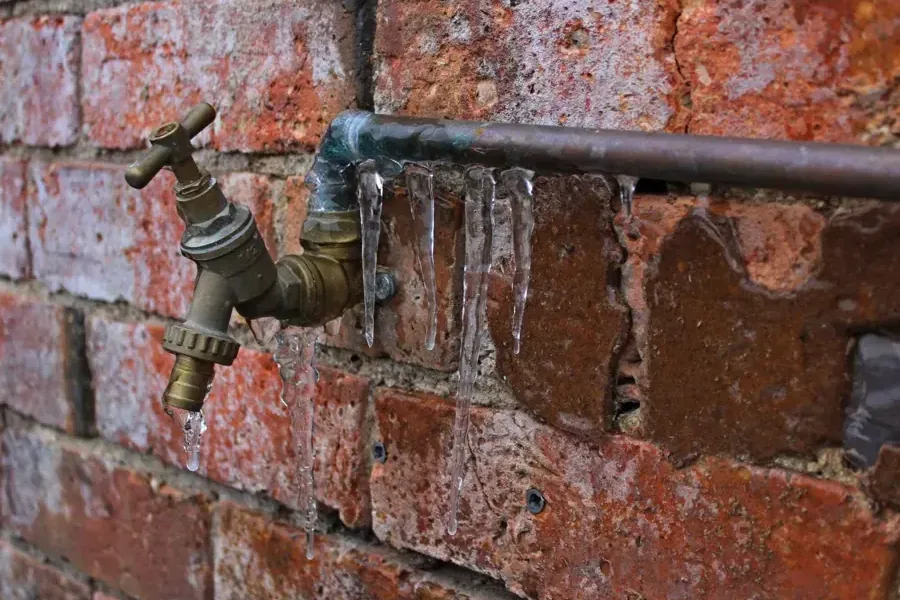
What to do the moment you find a frozen pipe split in Glenside
- 1Stop the source
Close the safest accessible valve or wait for the utility or plumber.
- 2Protect the wet area
Keep people and belongings away from wet or contaminated surfaces.
- 3Photograph the water path
Record the source and every affected room before items move.
- 4Call for measured drying
Extraction and moisture mapping should begin before water spreads farther.
How the crew handles a frozen pipe split
- AMap before cutting
Meters and thermal imaging narrow the wet area so only materials that need access or removal are opened.
- BMatch equipment to the loss
Air movement, dehumidification, containment, and filtration follow the water category and class.
- CCheck readings daily
Psychrometric and material readings show whether the drying plan needs adjustment.
- DClose on evidence
Equipment leaves after the documented drying goal is reached, not when a surface only feels dry.
Frozen Pipe Cleanup starts by stopping the source and mapping every material that a frozen pipe split reached. The crew extracts bulk water, protects dry rooms, and places equipment for the actual class of loss. Keswick Village, Easton Road, and the Glenside station area each contain different building layouts, so the plan follows readings rather than assumptions.
What does frozen pipe cleanup cost in Glenside, PA?
In Glenside, PA, frozen pipe cleanup typically costs $2,000 to $13,000. The water category, affected square footage, material class, access, and how quickly drying starts move the final total.
Contained area
$2,000 to $5,250
- One work zone
- Extraction and mapping
- Standard equipment
Several rooms
$5,250 to $9,750
- More material access
- Several equipment zones
- Daily monitoring
Complex loss
$9,750 to $13,000+
- Contamination or difficult access
- Material removal
- Extended drying controls
Drivers: the water category, the square footage, the material class and how fast drying started. For a planning range, try the water damage cost calculator.
How the team handles a frozen pipe split in Glenside
- 1
Moisture mapping
The tech who does the walkthrough maps wet materials with thermal imaging and pinless meters first.
- 2
Extraction
The extraction crew pulls standing water out with truck-mounted extraction, so it leaves the building.
- 3
Air movers and LGR
Air movers are set to each room's evaporation load; LGR dehumidifiers pull the moisture from the air.
- 4
Dry verification
Crews log readings daily and pull equipment once wet material is within 2 to 4 points of a dry reference.
Describe the source, wet rooms, and any immediate safety concerns.
(888) 557-1733Get frozen pipe cleanup movingFrozen Pipe Cleanup first steps and safety
The response team checks electrical exposure, sagging finishes, and slippery surfaces before equipment starts. Occupants should avoid standing water near outlets and should not use a household vacuum on water.
- Shut off the source when the valve is safely reachable.
- Turn off power to wet circuits only from a dry panel.
- Photograph the source and affected rooms before contents move.
- Keep foot traffic away from wet finishes and contaminated areas.
How the frozen pipe cleanup work proceeds
A frozen pipe often leaks during thawing rather than during the coldest period. The team keeps the water off until a plumber addresses the split, then maps the wall, ceiling, or lower room where thawed water traveled.
Properties near Keswick Theatre and Arcadia University may sit in different township jurisdictions. The restoration scope focuses on extraction and drying, while plumbing, roofing, and reconstruction permits belong with the correct Abington Township or Cheltenham Township office.
- Thermal imaging identifies temperature patterns for meter checks.
- Pin and pinless meters confirm which materials are actually wet.
- Air movers support evaporation without pushing contamination into clean areas.
- LGR dehumidifiers control humidity while materials release moisture.
- Equipment stays until readings reach the documented drying goal.
Local building and water considerations
Aqua Pennsylvania advises insulating exposed plumbing and closing drafts around unheated spaces. In Glenside, which spans Abington Township and Cheltenham Township, a thawing pipe needs attention before water reaches adjoining rooms. Technicians trace the release through wall openings and floor edges, while a plumber handles the failed section. The drying record follows those affected materials from the first reading through the final comparison, with photographs showing the pipe access and any finishes removed.
The team checks lower levels, wall bases, closets, and transitions between old and newer finishes. Around Keswick Village and Easton Road, mixed residential and small-business spaces can require separate moisture maps for each room or tenant area.
Documentation for a frozen pipe cleanup insurance claim
The claim file can include the source, category and class, a room-by-room moisture map, timestamped photographs before demolition, daily psychrometric readings, and a line-item scope. Sudden and accidental water and outside flooding may receive different policy treatment. Coverage depends on the policy, so the property owner should check with the insurer.
The federal flood safety information explains electrical and reentry precautions. EPA WaterSense publishes leak-detection and water-efficiency information. These references support preparation, while the on-site readings decide the drying work.
Covering both township portions of Glenside
The water damage pros cover Keswick Village, Easton Road, the Glenside station area, and the Cheltenham and Abington township sides of the community.
The restoration team asks for the cross street, township, and wet floor because those details shape the equipment plan.
See the full service areaRelated water damage services in Glenside
Frozen Pipe Cleanup Questions in Glenside, PA
How quickly should frozen pipe cleanup start?
Active water is treated as urgent. Shut off the source when safe, protect people from electrical or contamination hazards, document the scene, and begin extraction before water reaches more materials.
How long does frozen pipe cleanup drying take?
A contained clean-water loss often needs several days, while plaster, hardwood, masonry, and contaminated losses can take longer. Equipment stays until readings meet a dry reference.
What does IICRC S500 mean for frozen pipe cleanup?
IICRC S500 is the industry drying standard. It guides inspection, category and class decisions, equipment planning, monitoring, and the evidence used to confirm materials are dry.
Does insurance cover frozen pipe cleanup?
Sudden and accidental water is often treated differently from outside flooding, seepage, or backup. Coverage depends on the policy, so the property owner should check with the insurer.
When does drywall come out during frozen pipe cleanup?
Drywall touched by Category 3 water is removed. With clean water, the drying team may keep it when meter readings, condition, and access show it can dry safely in place.
How is the cost of frozen pipe cleanup figured?
The main drivers are water category, square footage, material class, access, required containment, what can be dried in place, and how quickly extraction begins.
What should a property owner do before the crew arrives?
Stop the source if safe, stay away from wet electrical components, move small dry items out of the path, take photographs, and avoid using household vacuums on water.
Stop a frozen pipe split before the wet area grows
The response team maps the loss, removes bulk water, and runs equipment until verified readings reach the drying goal.