Burst Pipe Cleanup in Hatboro, PA
A split supply pipe can move water through floors and cavities quickly, making source control, multi-room mapping, extraction, and measured drying essential.
(888) 557-1733Assess a sudden pipe release- Safe source control
- Vertical water tracing
- Cavity drying records
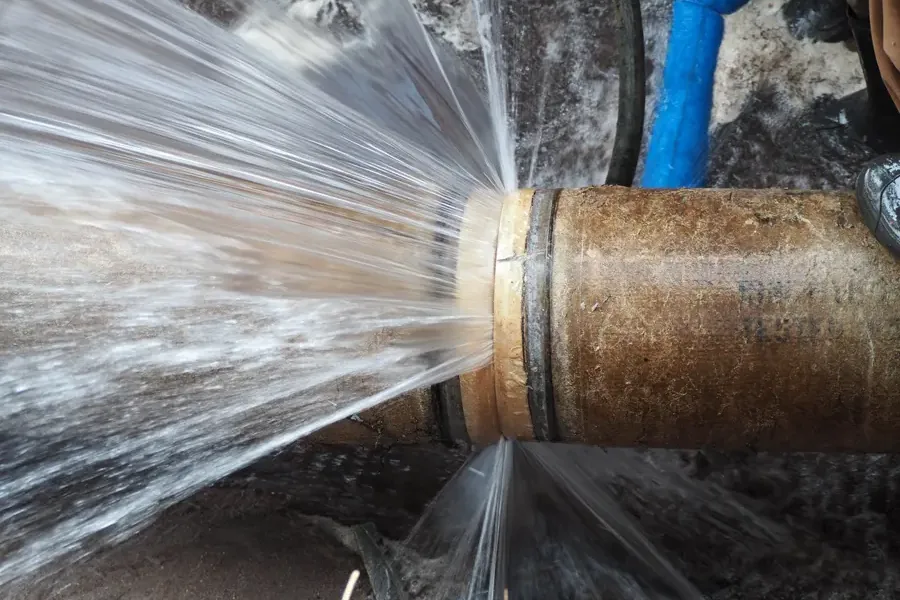
What to do the moment you find a burst supply pipe in Hatboro
- 1Close a safe known valve
Stop the supply only when the shutoff can be reached without entering wet electrical or structural hazards.
- 2Restrict rooms below
Keep occupants away from sagging ceilings, wet fixtures, and spaces where cavity water may continue draining.
- 3Photograph the vertical route
Record the pipe area, shared partitions, floor edges, and each lower room showing water.
- 4Coordinate both work scopes
A plumber repairs the pipe while restoration specialists extract liquid, access cavities, and dry retained materials.
How the crew handles a burst supply pipe
- AConfirm source repair
Plumbing findings identify the failed section and establish when safe system testing can occur.
- BTrace water through structure
Readings follow cavities, flooring, thresholds, cabinets, and rooms beneath the original release.
- CExtract and create access
Direct removal and limited openings reduce trapped water before evaporation equipment carries the remaining load.
- DVerify every assembly
Photographs and consistent comparison points document retained ceilings, walls, and floors through completion.
A split supply pipe can feed water into finishes until a valve is closed or the utility is safely controlled. In a Hatboro property near County Line Road, the visible spray may be only the beginning of the affected area. The response team traces the release across flooring, behind nearby trim, and into rooms below before equipment is assigned.
What does burst pipe cleanup cost in Hatboro, PA?
A burst-pipe loss in Hatboro can involve $1,800 to $11,000 in mitigation. Water trapped between floors, saturation behind trim, moved contents, and drying access matter alongside the size of the original release.
Contained area
$1,800 to $4,480
- One visible pipe break
- Immediate floor extraction
- Nearby cavity checks
Several rooms
$4,480 to $8,320
- Water across several rooms
- Selective material access
- Repeated drying measurements
Complex loss
$8,320 to $11,000+
- Multi-level hidden travel
- Extensive finish removal
- Longer equipment operation
Drivers: the water category, the square footage, the material class and how fast drying started. For a planning range, try the water damage cost calculator.
How the team handles a burst supply pipe in Hatboro
- 1
Moisture mapping
The tech who does the walkthrough maps wet materials with thermal imaging and pinless meters first.
- 2
Extraction
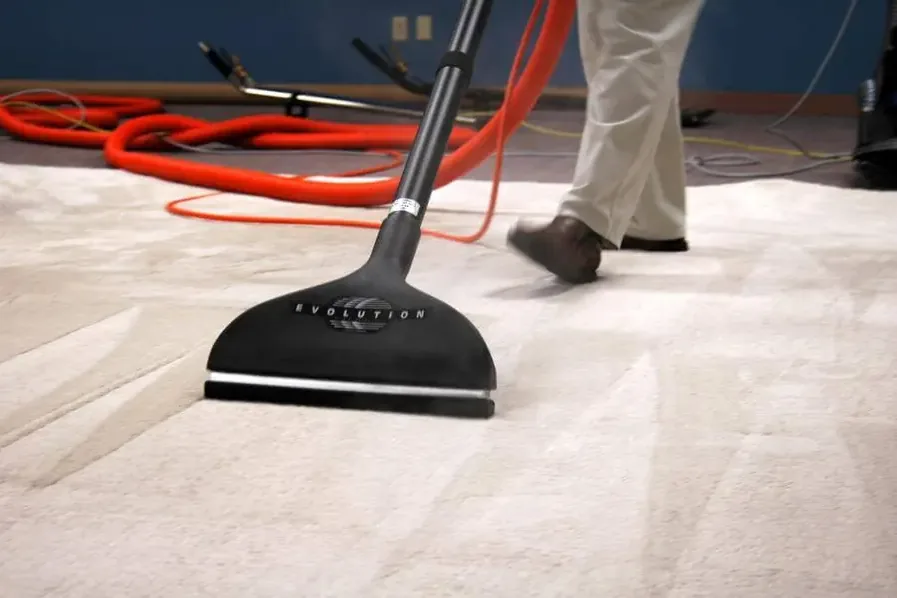
The extraction crew pulls standing water out with truck-mounted extraction, so it leaves the building.
- 3
Air movers and LGR
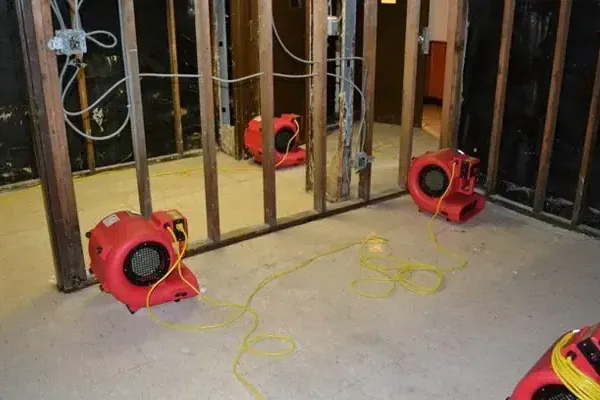
Air movers are set to each room's evaporation load; LGR dehumidifiers pull the moisture from the air.
- 4
Dry verification
Crews log readings daily and pull equipment once wet material is within 2 to 4 points of a dry reference.
Describe the source, wet rooms, and any immediate safety concerns.
(888) 557-1733Request a release assessmentSource control and building safety come first
Occupants should avoid water near electrical panels, appliances, outlets, or weakened ceilings. If a familiar shutoff is safely reachable, closing it can limit additional spread. Pipe repair remains a plumbing task. Mitigation starts with photographs, a room list, and readings that show where released water contacted the building.
- Preserve the failed section for the plumbing assessment when practical.
- Photograph stains and water routes before finishes are opened.
- Keep a dry travel path for occupants and equipment.
The water map follows gravity and connected finishes
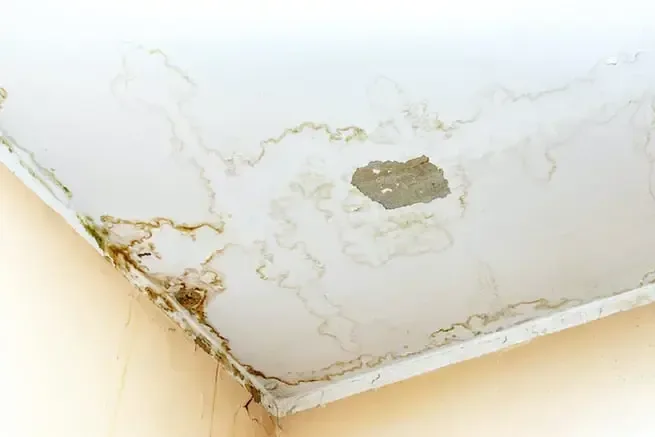
A break around Jacksonville Road could wet a cabinet base, continue under one floor covering, and appear later at a ceiling below. Technicians test those transitions rather than treating each stain as an isolated spot. Insulation, flooring layers, and enclosed wall areas receive separate access decisions based on their condition and the readings found on site.
Extraction reduces the load before evaporation
Open water is recovered first. Air movement is then directed across suitable damp surfaces, while dehumidification manages moisture released indoors. A soaked porous item may need removal if it cannot be cleaned or dried effectively. Equipment positions are adjusted from progress readings instead of following a fixed schedule.
- Label measurement points so later readings match the same locations.
- Separate plumbing invoices from restoration activity records.
- Recheck the floor below the break and adjoining room edges.
Completion depends on material evidence
Near Crooked Billet, a pipe inspection identifies the failed section and the material around it. Technicians follow the released water into adjoining rooms and mark the points that need repeat readings. The closing record connects source observations, extraction, access, equipment changes, and final comparisons. See water extraction for open liquid removal or see structural drying for moisture retained in assemblies.
Hatboro requires permits for plumbing work, so a planned repair may involve borough requirements separate from emergency mitigation. The restoration scope documents only the water response and the materials actually encountered. That separation helps property owners, trades, and insurers understand which work stopped the release and which work returned the affected rooms to a measured dry condition. Repair openings receive their own photographs before finishes are restored. A visible pipe repair can be complete while adjacent insulation or the lower wall still needs drying, so those remaining areas stay on the moisture map.
Burst Pipe Cleanup coverage in Hatboro
Pipe cleanup covers Crooked Billet, York Road, Moreland Avenue, and properties throughout the borough. Release location, water travel, access, contents, and affected finishes set the scope. Recommendations remain property specific.
Related water damage services in Hatboro
Burst Pipe Cleanup questions
What should happen while a pipe is still releasing water?
Use a known shutoff only if reaching it is safe. Stay clear of wet electrical equipment and weak overhead finishes, then preserve photographs of the first visible conditions.
Who corrects the broken pipe?
A qualified plumbing trade addresses the failed component. Restoration technicians remove released water, evaluate contacted materials, establish drying zones, and document mitigation separately.
Why are rooms below the break checked?
Water follows cavities, openings, and gravity. A stain below the source can reveal one route, while meter readings show whether surrounding ceiling or wall materials also became damp.
Can wet flooring remain?
It may remain when the water condition, physical state, attachment, and access permit effective cleaning and drying. Concealed saturation or damage can support selective removal.
Does cold weather prove why a pipe failed?
No. Pennsylvania winter exposure provides context, but inspection must establish the actual location and condition. The pipe material and cause should not be assumed.
What records support a burst-pipe file?
Useful records include the observed source, affected rooms, extraction areas, material readings, openings, equipment dates, plumbing findings, and final comparisons. Policy terms control coverage.
Where is burst-pipe cleanup available in Hatboro?
Service covers properties near Jacksonville Road, County Line Road, and Crooked Billet as well as the rest of the borough. Findings inside the building set the scope.
Trace water beyond the repaired pipe before finishes conceal it
The extraction team follows the supply release, removes accessible liquid, opens only necessary areas, and verifies drying.