Water Extraction in Hatboro, PA
Extraction specialists map the wet boundary, protect unaffected rooms, remove accessible liquid, and identify which floors, walls, and contents need further drying.
(888) 557-1733Arrange a water extraction assessment- Room-by-room mapping
- Surface-specific removal
- Documented moisture checks
What to do the moment you find standing water in Hatboro
- 1Control an accessible source
Use a safe known valve when appropriate, otherwise wait for the plumbing or building trade responsible for the release.
- 2Record the wet rooms
Photograph standing water, floor transitions, lower walls, contents, and any space below the source.
- 3Protect unaffected areas
Move dry portable items and establish an equipment route that does not carry water into clean rooms.
- 4Begin measured extraction
Technicians map concealed edges, select surface-specific tools, and connect every material decision to observed conditions.
How the crew handles standing water
- AMap the complete boundary
Readings across thresholds, wall bases, and connected rooms establish where extraction and drying are needed.
- BRemove accessible liquid
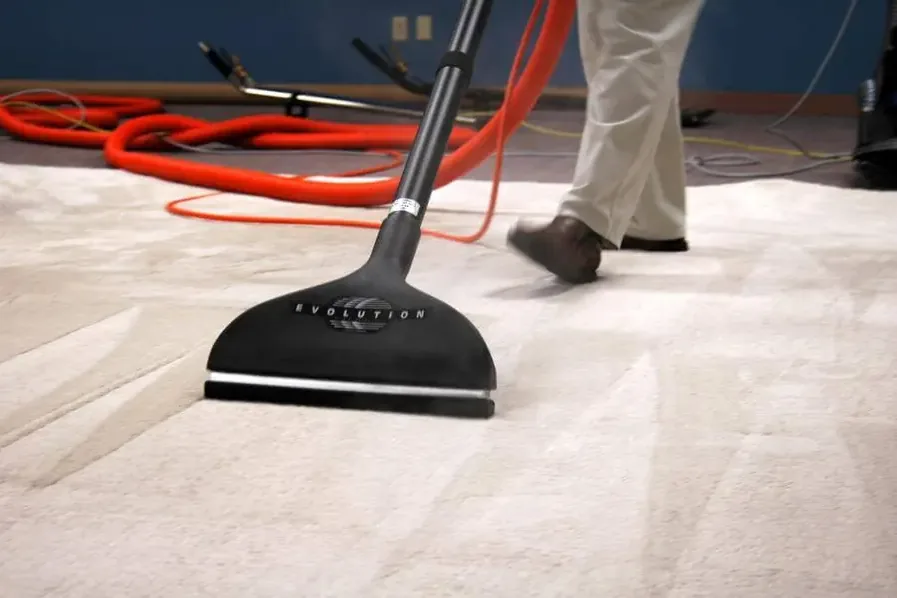
Suitable tools recover open water and liquid held in reachable flooring layers.
- CAssess remaining materials
Flooring, walls, cabinets, and contents receive separate cleaning, access, drying, or removal decisions.
- DVerify dry conditions
Repeated comparisons and photographs document retained assemblies before equipment leaves.
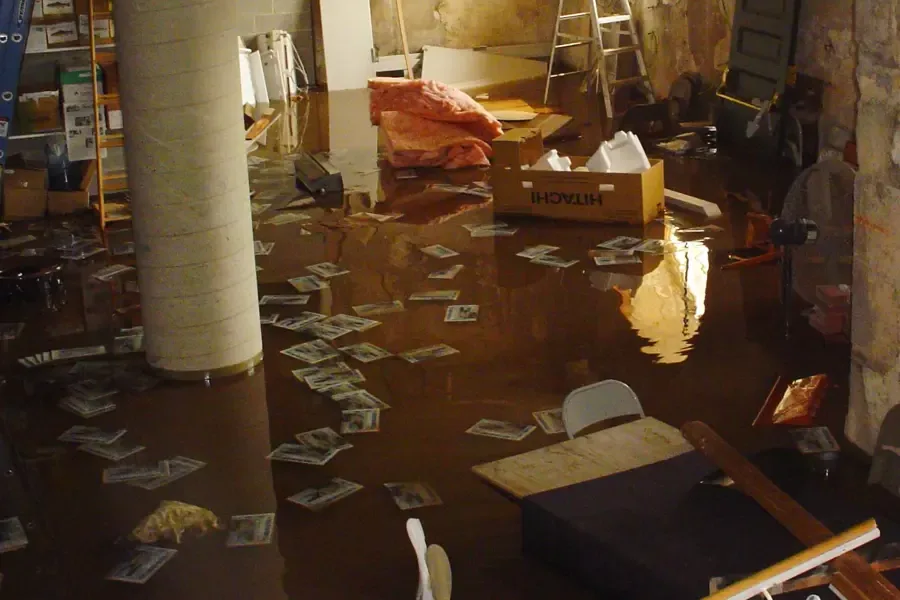
Standing water in a property off Moreland Avenue may reach a doorway, wall base, or flooring seam before the room appears deeply flooded. The extraction crew begins by confirming that active flow is controlled and by marking the full wet edge. That map keeps removal tools, contents movement, and later drying focused on observed conditions instead of assumptions about the building.
What does water extraction & removal cost in Hatboro, PA?
For Hatboro water removal, a planning allowance of $1,000 to $6,000 covers differing extraction scopes. Deep collections, layered flooring, obstructed access, and moisture beneath fixed furnishings can increase the work required.
Contained area
$1,000 to $2,450
- One defined wet room
- Direct water extraction
- Opening moisture readings
Several rooms
$2,450 to $4,550
- Several connected spaces
- Floor-edge access work
- Repeated monitoring visits
Complex loss
$4,550 to $6,000+
- Concealed liquid spread
- Complex contents handling
- Extended drying controls
Drivers: the water category, the square footage, the material class and how fast drying started. For a planning range, try the water damage cost calculator.
How the team handles standing water in Hatboro
- 1
Moisture mapping
The tech who does the walkthrough maps wet materials with thermal imaging and pinless meters first.
- 2
Extraction
The extraction crew pulls standing water out with truck-mounted extraction, so it leaves the building.
- 3
Air movers and LGR
Air movers are set to each room's evaporation load; LGR dehumidifiers pull the moisture from the air.
- 4
Dry verification
Crews log readings daily and pull equipment once wet material is within 2 to 4 points of a dry reference.
Describe the source, wet rooms, and any immediate safety concerns.
(888) 557-1733Request an extraction assessmentExtraction follows the path water actually took
Technicians inspect the source room, spaces below it, and rooms connected by continuous flooring. Open liquid is removed first because direct recovery is more efficient than relying on evaporation. Carpet, hard flooring, wall edges, cabinets, and stored belongings receive separate checks. Near York Road, a mixed-use layout may require coordinated access, but material readings still define the technical scope.
- Photograph water boundaries before moving wet items.
- Keep a clean route between equipment and the affected rooms.
- Test beyond every threshold reached by the release.
Flooring layers need individual decisions
A dry-looking surface can hide liquid beneath padding, planks, or resilient flooring. Technicians compare readings at seams and perimeter points, then determine whether a layer can be accessed and dried. Saturated porous material, contamination, loss of adhesion, or physical damage may support removal. Sound material can remain when cleaning and airflow are effective.
Drying equipment follows extraction
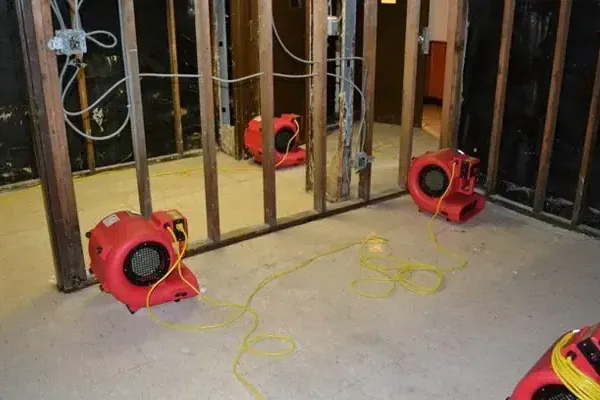
Air movers serve damp surfaces after the liquid load is reduced. Dehumidifiers collect moisture released into the indoor air. Positions change as readings improve, so one fast-drying area does not conceal a slower wall or floor edge. Around Hatboro station, occupancy and equipment routing may affect the work sequence without changing the measured end point.
- Mark stable locations for repeat readings.
- Keep unaffected rooms outside the controlled drying area.
- Record each equipment change and the reason for it.
The closing record explains the recovery
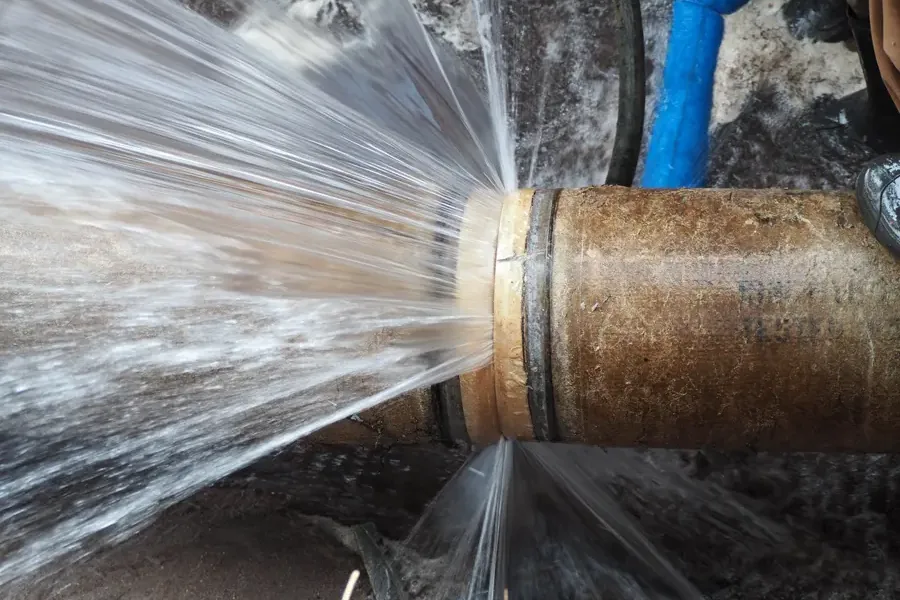
Room photographs, extraction notes, contents actions, material decisions, equipment dates, and final measurements create a practical account of the work. See structural drying methods when retained assemblies remain damp, or compare burst pipe cleanup when a sudden supply release caused the loss.
Hatboro includes rental properties, schools, civic spaces, and businesses, so an extraction route must reflect current occupants and room use. Portable contents are labeled before relocation, and fixed furnishings are checked along their lower edges. If a wet floor continues beneath a doorway, the next room becomes part of the moisture survey even when no surface water is visible there. These checks prevent a narrow puddle outline from becoming the final work boundary. The team also records which rooms stayed dry so the recovery file distinguishes protected space from treated space.
Water Extraction and Removal coverage in Hatboro
Service covers York Road, Moreland Avenue, Hatboro station, and properties throughout the borough. The source, water condition, room connections, and affected materials determine each extraction plan. Recommendations remain property specific.
Related water damage services in Hatboro
Water Extraction and Removal questions
What should happen before extraction starts?
Occupants need safe access, active flow should be controlled when possible, and the original room condition should be photographed before equipment changes the visible boundary. The opening survey also records access, contents, and adjoining material conditions before work begins. Keep children and pets outside the mapped work area.
Does removing the puddle finish the work?
No. Water can remain beneath flooring, behind baseboards, or inside connected assemblies. Moisture readings determine whether material access and structural drying are still necessary.
Can wet carpet remain?
Water condition, backing, padding, attachment, time wet, and cleaning access all matter. Technicians inspect each layer before recommending retention or removal.
How are dry rooms protected?
The crew establishes a clean travel path, keeps wet debris contained, and separates drying areas from unaffected rooms. Additional containment may be used during material removal.
Why are thresholds checked?
Water often moves beneath a doorway before it becomes visible in the next room. Testing both sides helps locate hidden flooring and wall-edge moisture.
What records support an insurance file?
Photographs, room lists, extraction notes, material decisions, equipment dates, and final readings explain the work. Policy terms determine whether a loss receives coverage.
Where is extraction available locally?
Coverage includes York Road, Moreland Avenue, Hatboro station, and borough properties. Equipment choices follow the inspected water path and building materials.
Remove standing water before it reaches more finishes
Specialists map the boundary, recover liquid, protect dry rooms, and document the material conditions that shape drying.