Sewage Cleanup in Hatboro, PA
A sewage release requires controlled access, careful waste removal, material-specific disposal decisions, detailed cleaning, and structural drying after contamination is reduced.
(888) 557-1733Discuss a sewage release- Restricted work boundary
- Protected waste removal
- Sanitation documentation
What to do the moment you find a sewage backup in Hatboro
- 1Restrict every contacted room
Keep occupants and pets outside spaces reached by sewage, splash, or tracked residue.
- 2Stop connected fixture use
Avoid adding flow and contact the proper plumbing or drain professional for source correction.
- 3Document from a clean position
Photograph water, debris, contents, and connected spaces without crossing the contaminated boundary.
- 4Begin protected remediation
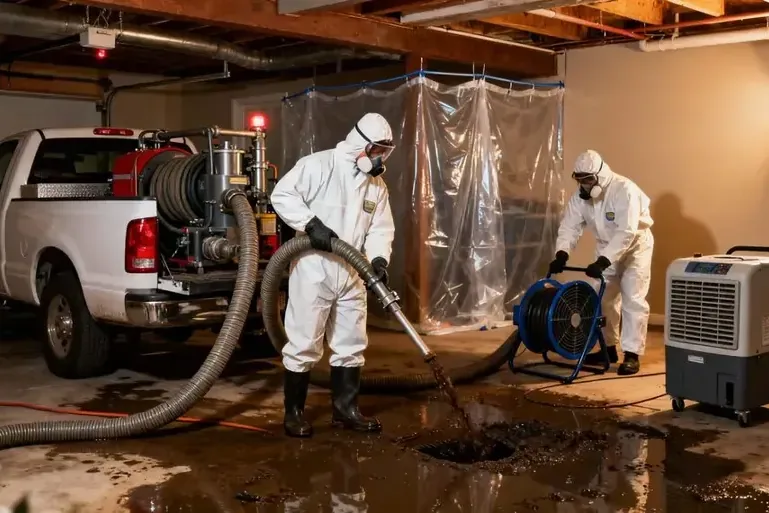
Technicians contain travel routes, extract waste, remove unsuitable porous material, clean surfaces, and dry structure.
How the crew handles a sewage backup
- ATrace contamination
The initial map includes splashes, tracked residue, wet contents, adjoining finishes, and the route selected for waste removal.
- BRemove waste safely
Protected workers recover sewage, solids, and absorbent materials that cannot be effectively cleaned.
- CClean retained surfaces
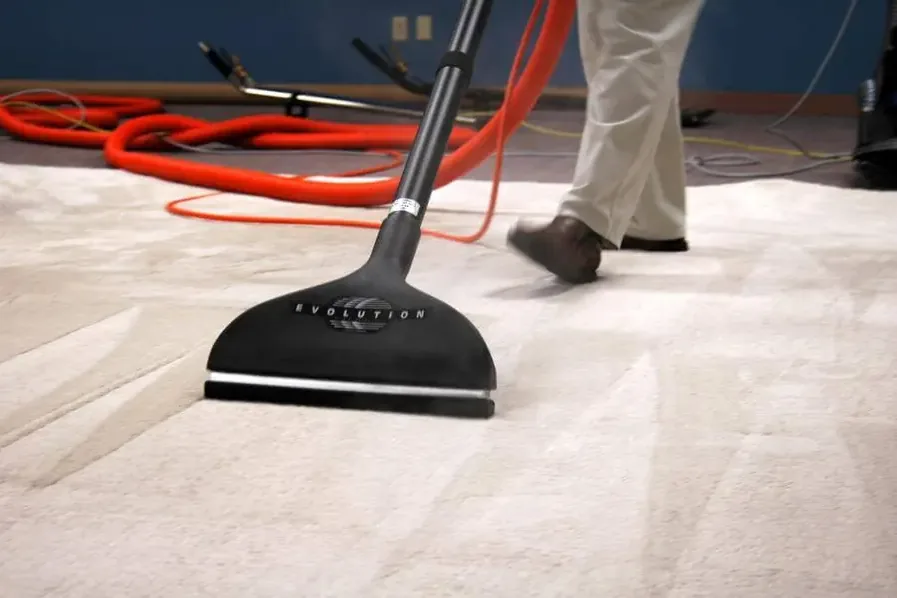
Durable accessible materials receive detailed sanitation before controlled structural drying begins.
- DDocument completion
Photographs, disposal entries, cleaning records, and final measurements describe the finished remediation scope.
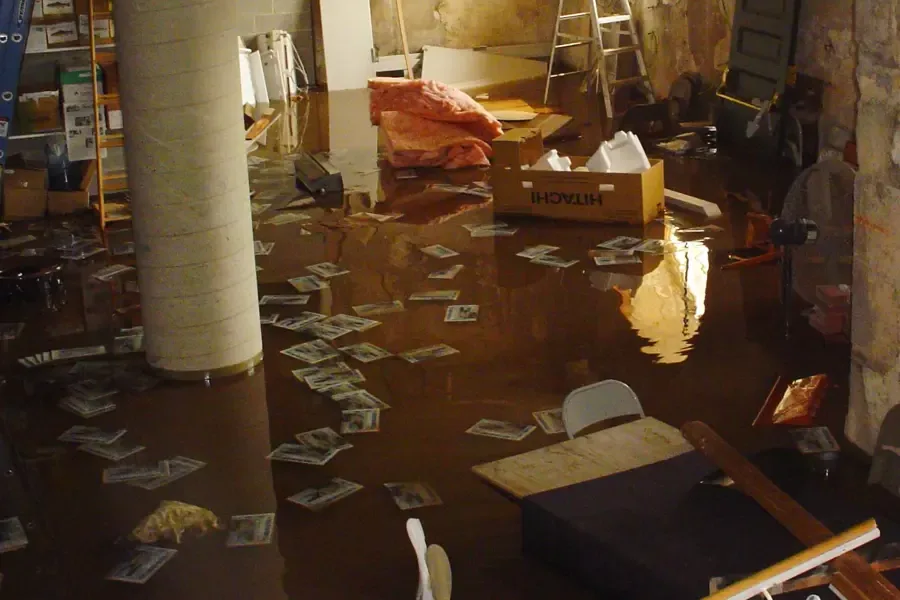
A sewage release inside a Hatboro property requires immediate separation between the contaminated area and occupied rooms. The cleanup team maps where liquid and tracked residue traveled, establishes controlled access, and records porous materials and contents that were contacted. A plumbing or sewer trade investigates the blockage or failed component.
What does sewage cleanup cost in Hatboro, PA?
For a sewage loss in Hatboro, $3,500 to $18,000 provides a planning range. Waste spread and porous materials drive removal needs; cleaning access, contents handling, and subsequent drying add to the scope.
Contained area
$3,500 to $7,524
- Contained fixture release
- Protected waste extraction
- Durable surface cleaning
Several rooms
$7,524 to $13,975
- Several contaminated rooms
- Porous finish disposal
- Separated equipment route
Complex loss
$13,975 to $18,000+
- Difficult concealed spread
- Extensive contents handling
- Longer sanitation controls
Drivers: the water category, the square footage, the material class and how fast drying started. For a planning range, try the water damage cost calculator.
How the team handles a sewage backup in Hatboro
- 1
Moisture mapping
The tech who does the walkthrough maps wet materials with thermal imaging and pinless meters first.
- 2
Extraction
The extraction crew pulls standing water out with truck-mounted extraction, so it leaves the building.
- 3
Air movers and LGR
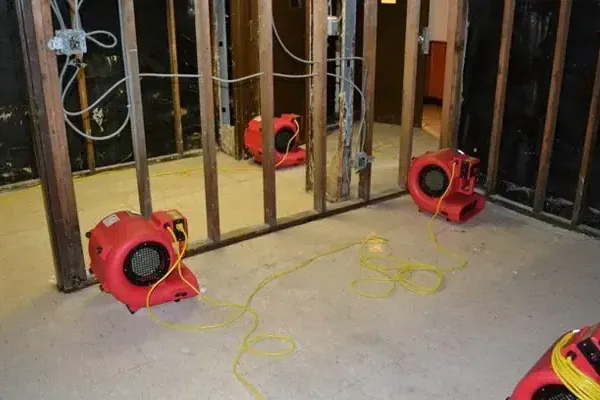
Air movers are set to each room's evaporation load; LGR dehumidifiers pull the moisture from the air.
- 4
Dry verification
Crews log readings daily and pull equipment once wet material is within 2 to 4 points of a dry reference.
Describe the source, wet rooms, and any immediate safety concerns.
(888) 557-1733Request a contamination assessmentTraffic control prevents a wider cleanup area
People and pets should stay away from the release. Walking from a wet room toward York Road entrances or other dry exits can spread contamination across flooring. Technicians select a protected route for equipment and bagged debris, then use containment where removal activity could carry particles beyond the work zone.
- Do not use fixtures connected to a backing-up drain system.
- Keep food, medicine, toys, and personal care items away.
- Photograph the original reach without entering contaminated water.
Porous and hard materials receive different decisions
Carpet, padding, insulation, wallboard, and absorbent belongings can retain contamination beyond visible staining. Their condition and exposure determine whether cleaning is feasible. Stable hard surfaces are cleared of soil and cleaned by an appropriate method. Near Moreland Avenue, the same material-based decision applies regardless of the building use.
Coordinate drain repairs with contained cleanup
The Upper Moreland-Hatboro Joint Sewer Authority provides sewage service. A backup assessment separates the source repair from cleanup inside the building. The property owner can contact the authority or a plumber about the affected connection. The restoration record stays focused on indoor contamination, material handling, cleaning, and moisture control.
- Separate source-repair notes from cleaning documentation.
- List removed materials and affected contents by room.
- Clean retainable surfaces before structural drying starts.
Dry verification follows sanitation work
After contaminated material and residue are controlled, dehumidification and directed airflow serve cleaned assemblies. Equipment changes follow readings. Around Hatboro station and Jacksonville Road, occupancy may affect the sequence, but no room returns to normal use merely because odor or surface water has disappeared. Compare flood cleanup for ground water or see structural drying for retained damp assemblies.
The completed file can include the source report, affected rooms, containment, removal, contents actions, cleaning activity, equipment dates, and closing measurements. Insurance coverage and plumbing responsibility remain separate determinations.
Before containment comes down, the team checks cleaned boundaries, equipment routes, and nearby dry surfaces. This final inspection confirms that debris handling stayed inside the planned work area and that retained materials reached the recorded condition. Contents decisions stay linked to the contaminated room. The owner receives separate notes for discarded items, cleaned hard surfaces, and belongings awaiting specialist handling, so unfinished contents work remains visible after the structure is dry.
Sewage Cleanup coverage in Hatboro
Sewage response reaches Jacksonville Road, York Road, Crooked Billet, and the rest of the borough. Source, contamination travel, contacted contents, and material cleanability define the work. Recommendations remain property specific.
Related water damage services in Hatboro
Sewage Cleanup questions
Should occupants enter a sewage-affected room?
No. The area should remain restricted because liquid and tracked residue can expose people and spread contamination. Avoid using fixtures connected to the backing-up drain system.
Who corrects the drain or sewer problem?
A qualified plumbing or sewer trade investigates and repairs the source. Restoration technicians handle indoor containment, removal, cleaning, material decisions, drying, and mitigation records.
Does the joint authority own a private lateral?
The authority provides sewage service. A plumbing inspection identifies the affected pipe, repair scope, and appropriate provider contact. The property documents, inspection findings, and relevant authority are needed to resolve a private lateral question.
Can carpet remain after sewage contact?
Absorbent flooring can retain contamination beyond the visible area. Exposure, construction, access, and cleanability determine the decision, with contaminated porous materials facing stricter removal criteria.
Why does cleaning happen before drying?
Airflow should not distribute residue from an uncontrolled contaminated area. Liquid removal, debris handling, necessary access, and cleaning prepare retainable assemblies for drying.
What documentation is useful?
Room photographs, the contamination boundary, removed materials, contents actions, cleaning entries, equipment dates, and final moisture comparisons explain the work. The policy controls coverage.
Where is sewage cleanup available in Hatboro?
Service covers properties near York Road, Moreland Avenue, Hatboro station, Jacksonville Road, and elsewhere in the borough. The observed release controls the boundary.
Prevent residue from spreading into clean portions of the property
Protected technicians establish boundaries, remove waste, clean retained surfaces, and document the structural drying that follows.