Sump Pump Failure Cleanup in Hatboro, PA
When a property has a sump, cleanup follows water beyond the pit, separates pump repair from mitigation, and checks lower walls, floors, and storage.
(888) 557-1733Assess water around the sump- Pit-side inspection
- Overflow extraction
- Lower-level drying
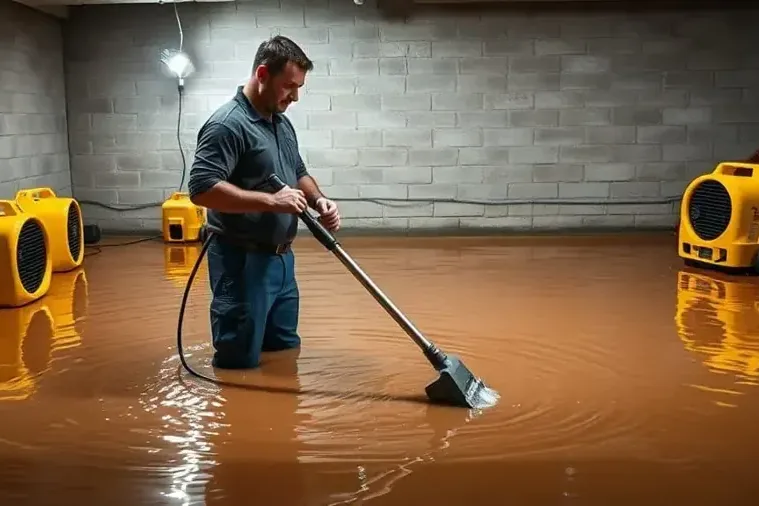
What to do the moment you find a failed sump pump in Hatboro
- 1Stay outside wet electrical areas
Do not handle pump plugs, controls, extension cords, or nearby switches while standing where water collected.
- 2Record pump behavior safely
Note sounds, pit level, and visible discharge conditions without repeatedly cycling damaged equipment.
- 3Protect nearby dry storage
Move portable unaffected goods before water or cleanup traffic reaches them.
- 4Separate repair and mitigation
Use the proper trade for the pump while restoration technicians extract water and dry contacted materials.
How the crew handles a failed sump pump
- AMap overflow travel
The crew follows water from the pit across floors, lower walls, storage, and connected rooms.
- BExtract by surface type
Open liquid and water held in accessible flooring layers are recovered using suitable tools.
- CDry the lower perimeter
Air movement and dehumidification serve measured wall bases, floor edges, and retained finishes.
- DClose the property record
Pump findings, mitigation photographs, material actions, and final readings remain clearly separated.
Near Hatboro Memorial Park, water spilling from a sump pit needs a clear boundary before stored items are moved or drying equipment is placed. The opening assessment records pit level, safely visible equipment behavior, the floor boundary, and nearby storage. A pump specialist or plumber handles repair. Restoration work focuses on extracting the released water and drying the building materials it reached.
What does sump pump failure cleanup cost in Hatboro, PA?
A Hatboro sump overflow may require $1,500 to $8,500 in cleanup work. The estimate accounts for water escaping the pit, contaminated contents, finished surfaces, concealed edges, and the equipment needed afterward.
Contained area
$1,500 to $3,500
- Pit-side wet area
- Open-floor extraction
- Initial edge readings
Several rooms
$3,500 to $6,500
- Connected lower rooms
- Contents relocation work
- Several drying positions
Complex loss
$6,500 to $8,500+
- Contaminated overflow water
- Concealed perimeter access
- Longer equipment monitoring
Drivers: the water category, the square footage, the material class and how fast drying started. For a planning range, try the water damage cost calculator.
How the team handles a failed sump pump in Hatboro
- 1
Moisture mapping
The tech who does the walkthrough maps wet materials with thermal imaging and pinless meters first.
- 2
Extraction
The extraction crew pulls standing water out with truck-mounted extraction, so it leaves the building.
- 3
Air movers and LGR
Air movers are set to each room's evaporation load; LGR dehumidifiers pull the moisture from the air.
- 4
Dry verification
Crews log readings daily and pull equipment once wet material is within 2 to 4 points of a dry reference.
Describe the source, wet rooms, and any immediate safety concerns.
(888) 557-1733Request a sump-area assessmentThe survey expands outward from the pit
Technicians inspect floor joints, carpeting, wall bases, contents, and connected rooms rather than stopping at the equipment. Pennypack Creek runs through the borough; its presence alone cannot identify what filled a particular sump pit. Power, discharge, inflow, and the observed water path each need property-specific findings.
- Do not touch plugs or controls while standing on a wet floor.
- Avoid repeatedly restarting damaged equipment.
- Photograph the pit and the farthest visible water edge.
Extraction prepares the lower level for drying
Open water is recovered with tools matched to the floor surface. Carpet layers, finished walls, and stored belongings are evaluated separately. If contaminated water entered the pit or room, cleaning and retention decisions become stricter. Dry contents move through a clean route after their original positions are recorded.
Perimeter readings reveal concealed spread
Water may collect behind baseboards or beneath a floor covering after the open surface is clear. Technicians measure those edges and establish airflow for retained materials. Dehumidification controls the vapor load, and equipment shifts as different sections improve. Conditions near Moreland Avenue still require this property-level evidence.
- Mark the same reading points for comparison.
- Keep pump repair notes separate from mitigation records.
- Verify wall and floor edges before equipment leaves.
Closing documentation identifies both scopes
The record states the observed pump condition, affected rooms, extraction, contents actions, material removal, drying equipment, and final measurements. An equipment trade can address prevention changes. See basement flooding cleanup for a broader lower-level loss or compare structural drying for retained moisture.
A pump event can involve a small pit-side area or a finished lower level with several storage sections. Technicians record the farthest water edge and compare it with dry material of the same type. They also check whether contents rested directly on the floor, since boxes and textiles can conceal moisture underneath. The closing record includes the equipment trade's pump findings alongside the restoration crew's extraction and drying results. This keeps prevention advice and completed water mitigation clearly separated. Stored items are returned only after their condition and the floor beneath them have been checked. The room record identifies anything still awaiting cleaning or disposal, leaving a clear path to the sump and utilities.
Sump Pump Failure Cleanup coverage in Hatboro
Response covers Hatboro Memorial Park, Moreland Avenue, York Road, and other borough properties. Cleanup decisions follow the observed pump event, water condition, contents, and affected construction. Recommendations remain property specific.
Related water damage services in Hatboro
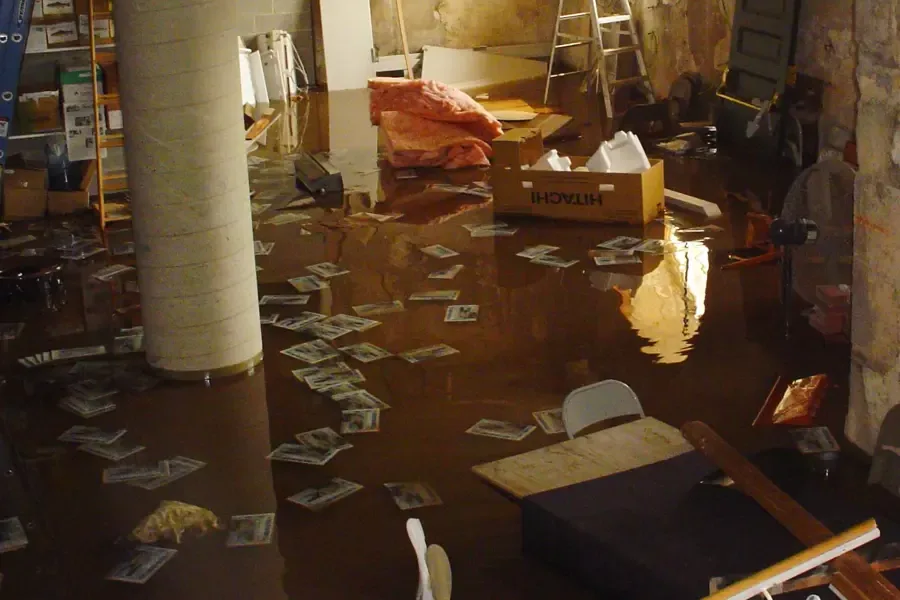
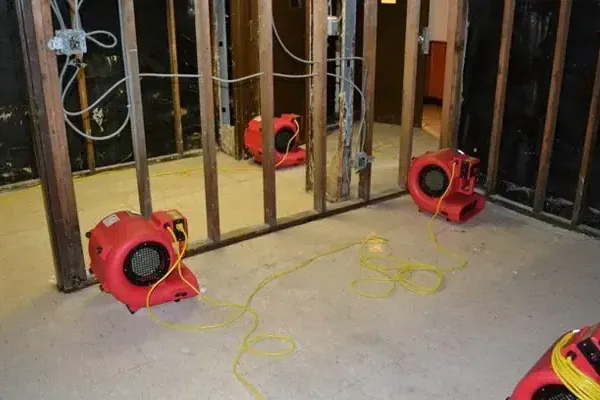
Sump Pump Failure Cleanup questions
What comes first after a sump stops?
Keep away from wet electrical equipment and record the pit condition from a safe position. A qualified equipment trade evaluates the pump while restoration technicians follow the escaped water.
Why inspect beyond the visible puddle?
Overflow can cross floor joints, soak stored cartons, or reach a wall base. Readings around the perimeter reveal affected materials that a quick visual check can miss.
What does a sump overflow inspection check?
The inspection checks pump condition, inflow, discharge, power, and the water path around the pit. It also records the wet floor boundary and any adjoining materials that need extraction or drying.
Can belongings stay beside the pit?
Dry movable goods should be photographed and relocated through a clean route. Wet contents are sorted by material, exposure, condition, and whether cleaning can be performed safely.
When can floor coverings remain?
Retention depends on contamination, attachment, backing, physical condition, and access to every damp layer. The decision follows inspection rather than the size of the visible overflow.
What does the cleanup record include?
The file can identify pit observations, affected rooms, water condition, extracted areas, contents actions, equipment dates, and closing readings. Coverage remains an insurer decision.
Which Hatboro locations receive this service?
Properties near Moreland Avenue, Hatboro Memorial Park, and York Road can request pump-failure cleanup. The actual building layout and overflow boundary determine the assignment.
Keep overflow from reaching more lower-level finishes
The restoration team extracts water, evaluates storage and materials, and verifies drying while the proper trade handles the pump.