Water Heater Failure Cleanup in Hatboro, PA
Water beneath a failed heater can disappear under nearby finishes. Cleanup starts with safe utility isolation, then examines the tank footprint and every connected wet edge.
(888) 557-1733Assess water around the failed heater- Tank-area precautions
- Threshold moisture tests
- Appliance work separated
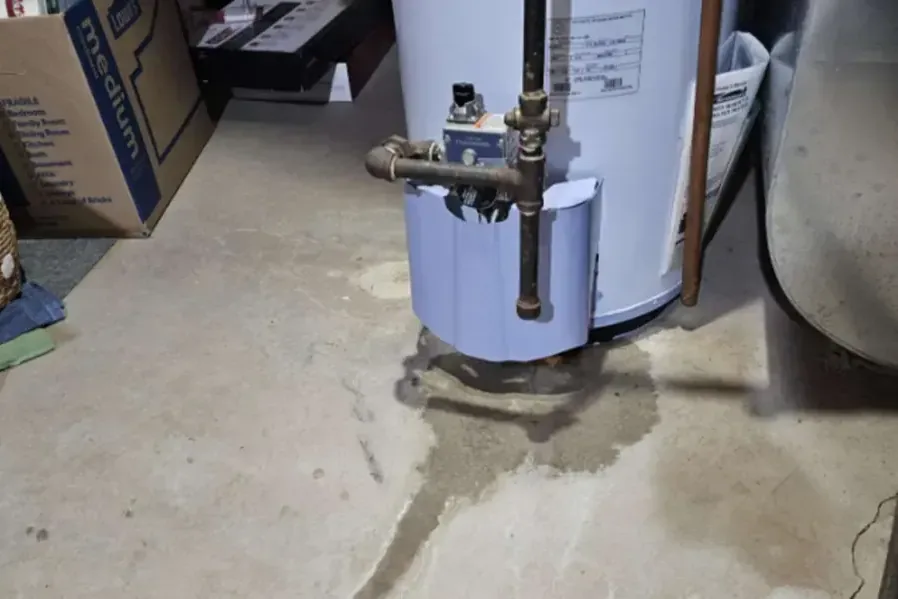
What to do the moment you find a failed water heater in Hatboro
- 1Avoid wet utility controls
Do not touch gas controls, electrical switches, plugs, or panels while standing where water spread.
- 2Control the supply safely
Use a known accessible valve when appropriate and contact the proper plumbing or utility professional.
- 3Move dry storage outward
Protect unaffected portable items before water or appliance work reaches them.
- 4Document before replacement
Record the tank, connections, pan, floor boundary, wall edges, and adjoining rooms before equipment moves.
How the crew handles a failed water heater
- AMake the appliance area safe
Qualified trades manage utilities and plumbing while the original water boundary is preserved.
- BExtract beyond the footprint
Liquid removal and moisture checks extend beneath edges, thresholds, and nearby storage.
- CDry restricted spaces
After access is available, platforms, cabinets, flooring, and walls receive separate decisions.
- DVerify before closure
Closing photographs and comparisons document dry materials before repair work conceals the area.
Replacing a leaking heater does not resolve the water already beneath it. At a property around Hatboro Memorial Park, the cleanup may need to continue after the appliance has left the room. The tank footprint, platform if present, nearest doorway, and lower wall surfaces each need examination before replacement work hides the original release path.
What does water heater failure cleanup cost in Hatboro, PA?
Allow roughly $1,500 to $9,000 for water-heater mitigation in Hatboro. A confined utility-floor spill differs from water beneath cabinets or through a ceiling; contents access and retained-material drying also affect the amount.
Contained area
$1,500 to $3,674
- Contained heater area
- Open-floor water extraction
- Perimeter moisture checks
Several rooms
$3,674 to $6,825
- Water beyond utility room
- Storage handling work
- Several equipment placements
Complex loss
$6,825 to $9,000+
- Hidden platform saturation
- Cabinet or wall access
- Extended material monitoring
Drivers: the water category, the square footage, the material class and how fast drying started. For a planning range, try the water damage cost calculator.
How the team handles a failed water heater in Hatboro
- 1
Moisture mapping
The tech who does the walkthrough maps wet materials with thermal imaging and pinless meters first.
- 2
Extraction
The extraction crew pulls standing water out with truck-mounted extraction, so it leaves the building.
- 3
Air movers and LGR
Air movers are set to each room's evaporation load; LGR dehumidifiers pull the moisture from the air.
- 4
Dry verification
Crews log readings daily and pull equipment once wet material is within 2 to 4 points of a dry reference.
Describe the source, wet rooms, and any immediate safety concerns.
(888) 557-1733Discuss the tank water releaseThe utility area needs a safe working sequence
A heater combines water with an energy source, and neither should be approached through a wet floor. PECO Energy Company supplies electricity and natural gas in Hatboro, but the installation itself determines which precautions apply. An appropriate trade establishes safe isolation and handles appliance disconnection. The mitigation team records accessible conditions and prepares a route for liquid removal once entry is safe.
- Keep occupants clear of wet appliance controls and hot discharge.
- Record where water first appeared and whether the release continues.
- Arrange access to adjoining rooms before the old heater is moved.
Thresholds reveal whether the loss left the room
A puddle beside the tank gives only a partial picture. On York Road, an inspection might find water at one utility-room threshold without visible pooling in the next room. That finding warrants readings on both sides of the doorway. Cabinet toe spaces, flooring seams, and wall junctions are checked according to the actual layout. Stored boxes or textiles receive attention underneath, where absorbed water can remain hidden.
Photographs taken before contents move preserve their original positions. A floor-level diagram connects the tank area to each damp edge, allowing the extraction crew to recover reachable liquid without overlooking a separate collection point. The survey extends downstairs only where the building and water path call for it.
The replacement opening can improve drying access
Removing the failed appliance may expose flooring that was previously inaccessible. The drying team evaluates that newly visible area before a replacement covers it. Sound material may remain when its condition permits effective drying; damaged layers need their own removal decision. Air movement serves exposed wet surfaces while dehumidification manages the moisture they release.
- Compare the uncovered footprint with adjacent dry material.
- Identify any wet platform or enclosed edge before installation proceeds.
- Retest a slow-drying section instead of judging its color alone.
Installation requirements and mitigation records serve different purposes
Hatboro requires building permits for heater installations. The installer addresses that work, while the restoration record explains extraction, access, contents handling, and drying. For a home near Moreland Avenue, those separate records help distinguish a new appliance from the recovery of rooms its predecessor soaked. Neither a permit nor a completed installation establishes that surrounding finishes are dry.
The closing inspection returns to the mapped perimeter and any connected lower space. It notes retained materials, final comparisons, and areas still awaiting finish repair. Water extraction details explain recovery of accessible liquid; structural drying in the borough covers the moisture remaining in assemblies after that phase.
Water Heater Failure Cleanup coverage in Hatboro
Water-heater cleanup covers Hatboro Memorial Park, York Road, Moreland Avenue, and properties throughout the borough. Utility safety, tank location, water travel, contents, access, and measured material conditions define the assignment.
Related water damage services in Hatboro
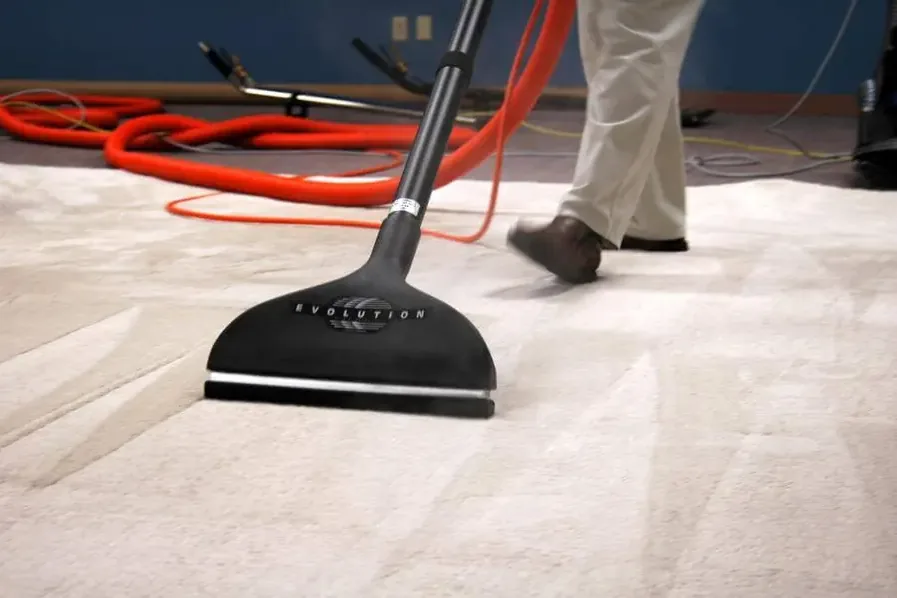
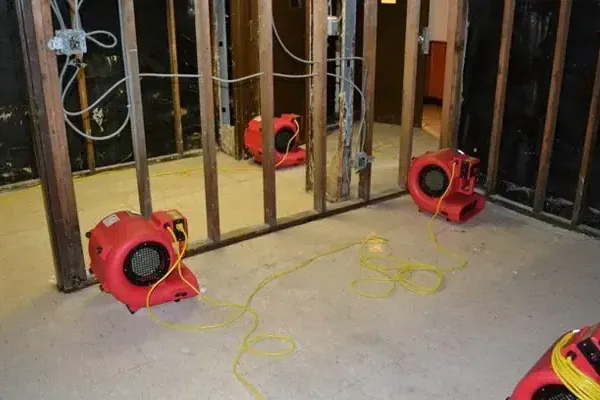
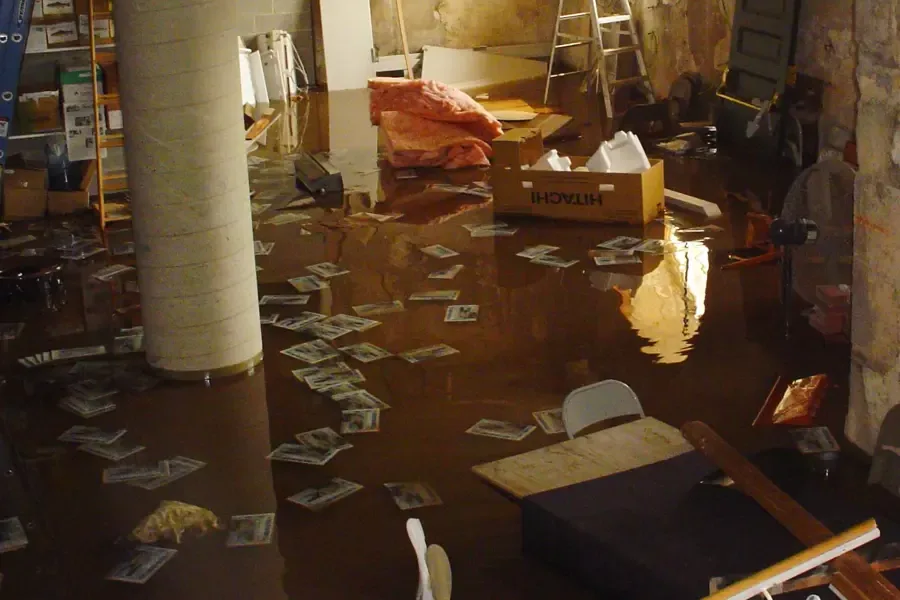
Water Heater Failure Cleanup questions
What should happen around a leaking water heater?
Keep away from wet powered equipment and hot surfaces. Use a familiar water shutoff only when the route is safe, then document the tank area and spread.
Who replaces the failed heater?
A qualified plumbing and, when applicable, energy trade handles disconnection and replacement. Restoration technicians remove water, assess materials, dry the building, and keep mitigation records.
Who should check the heater and its utility connections?
A plumber should assess the heater and water connections. Aqua Pennsylvania handles water-service questions, and PECO Energy Company can address utility concerns. Cleanup technicians document the wet rooms and materials separately from appliance repairs.
Why check beyond the utility room?
Released water can continue beneath flooring, along wall bases, through openings, or into a lower level. Transition readings reveal spread beyond the visible puddle.
Can wet flooring remain in place?
That depends on water condition, physical damage, attachment, access, and measured improvement. Saturated inaccessible layers may require a different decision from stable exposed materials.
Is a permit required for replacement?
The borough requires building permits for heater installations. The qualified trade can address the applicable replacement requirements separately from water extraction and drying.
Where is tank-release cleanup available?
Properties near Hatboro Memorial Park, York Road, and Moreland Avenue can request service. Utility safety, water travel, and material readings establish the working area. Appliance replacement remains a separate trade decision.
Recover the room while the heater replacement is coordinated
A mitigation assessment traces water beyond the appliance, checks exposed flooring, and documents drying before retained finishes are covered again.