Structural Drying in Jenkintown, PA
Drying turns an initial moisture map into controlled airflow, vapor removal, repeated material readings, and a documented end point for retained assemblies.
(888) 557-1733Plan a measured drying setup- Moisture mapping
- Balanced equipment
- Repeat readings
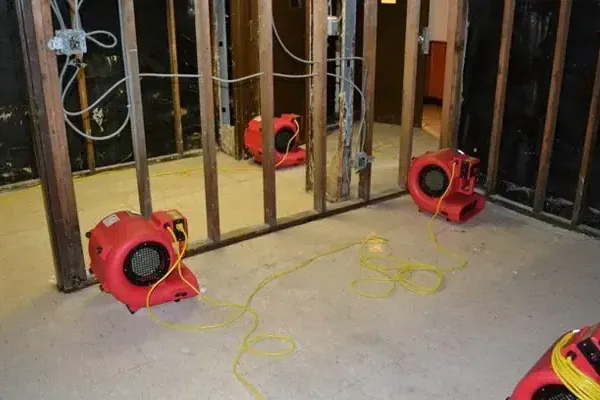
What to do the moment you find wet structural materials in Jenkintown
- 1Finish direct water removal
Extract accessible liquid and complete necessary cleaning before evaporation equipment carries the remaining material load.
- 2Keep damp finishes exposed
Avoid paint, coverings, or repair work until the moisture boundary and material condition are documented.
- 3Maintain the planned environment
Leave doors, vents, cords, and equipment positions as specified unless technicians approve a change.
- 4Compare the same locations
Repeated readings at marked points reveal uneven response and support adjustments to airflow, access, or dehumidification.
How the crew handles wet structural materials
- AIdentify every assembly
Technicians distinguish plaster, wood, masonry, insulation, and other finishes before selecting comparison methods.
- BCreate limited drying access
Baseboards, coverings, or small sections are opened only where trapped moisture or blocked airflow requires it.
- CBalance evaporation and vapor removal
Air movers serve damp surfaces while dehumidifiers collect water released into the controlled space.
- DDecide from repeated data
Material readings, environmental conditions, photographs, and equipment changes support the final dry determination.
Structural drying starts after accessible liquid and contamination are addressed. The remaining question is which materials still hold moisture and how they can release it safely. Jenkintown's housing stock includes many older properties, but a borough statistic cannot identify the finish in one room. Technicians name each material, mark wet and unaffected points, note coverings or cavities, and design the equipment arrangement around those actual findings.
What does structural drying & dehumidification cost in Jenkintown, PA?
Drying work in Jenkintown may range from $1,500 to $9,500. Equipment needs follow the wet material volume, reachable surface area, and moisture trend. Slow concealed edges can extend monitoring beyond the open room.
Contained area
$1,500 to $3,849
- One measured drying zone
- Material reference readings
- Focused airflow placement
Several rooms
$3,849 to $7,150
- Several wet assemblies
- Multiple equipment groups
- Scheduled progress measurements
Complex loss
$7,150 to $9,500+
- Concealed cavity moisture
- Selective access work
- Longer environmental control
Drivers: the water category, the square footage, the material class and how fast drying started. For a planning range, try the water damage cost calculator.
How the team handles wet structural materials in Jenkintown
- 1
Moisture mapping
The tech who does the walkthrough maps wet materials with thermal imaging and pinless meters first.
- 2
Extraction
The extraction crew pulls standing water out with truck-mounted extraction, so it leaves the building.
- 3
Air movers and LGR
Air movers are set to each room's evaporation load; LGR dehumidifiers pull the moisture from the air.
- 4
Dry verification
Crews log readings daily and pull equipment once wet material is within 2 to 4 points of a dry reference.
Describe the source, wet rooms, and any immediate safety concerns.
(888) 557-1733Request a drying assessmentCreate a material-specific baseline
Wood flooring, plaster, drywall, masonry, subfloor, and insulation respond differently to water and to moisture meters. More than 60 percent of borough houses were built before 1939, supporting careful inspection of varied assemblies without predicting their presence everywhere. At properties near Town Square, West Avenue, or Summit Avenue, the initial map shows exact rooms and reading points rather than relying on age, touch, or stain color.
- Extract reachable liquid before asking equipment to evaporate it.
- Compare like material with an appropriate unaffected reference.
- Identify cabinets, coverings, and closed cavities that block drying.
Manage the path from material to room air
Air movement helps moisture leave an exposed damp surface. Dehumidification captures vapor released into the controlled space. Those functions need balance: airflow that misses a wall edge cannot help it, and vapor that is not removed can slow progress elsewhere. Equipment is positioned by the map, then revised as readings reveal fast and slow areas. Doors, ventilation changes, and moved units are recorded because they alter the drying environment.
Open assemblies only when access has a purpose
A baseboard removal, small wall opening, or insulation access may be justified when a barrier prevents cleaning, inspection, or drying. The team documents that reason and limits the work to the affected boundary. A layered floor may require a different approach from exposed framing. Adjacent rooms receive follow-up checks because concealed moisture can extend past the visible mark. Jenkintown Borough Code Enforcement requirements may apply to later regulated repairs, while mitigation records explain the drying access itself.
- Keep equipment intake, discharge, and walking paths clear.
- Label every opening and the material it exposes.
- Adjust units when repeat readings show an uneven response.
Let stable evidence set the end point
Drying ends when the retained materials reach their measured targets. Technicians return to marked locations, repeat measurements with a consistent method, and compare them with the selected goal. Final photographs and equipment dates show when each zone reached completion. See water extraction for the liquid-removal stage. See ceiling leak cleanup for access to an overhead cavity. If a new release, open window, or changed ventilation disrupts the plan, that change is recorded before the next reading is interpreted.
Structural Drying and Dehumidification coverage in Jenkintown
Drying service covers Town Square, West Avenue, Summit Avenue, and properties throughout the borough. Materials, moisture boundaries, cavity access, and room use determine each equipment plan. Targets remain material specific.
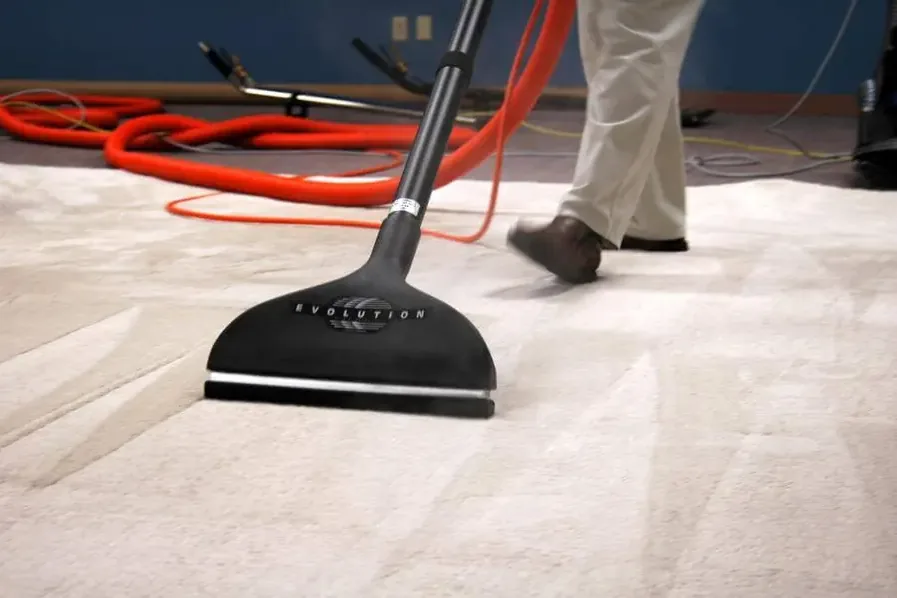
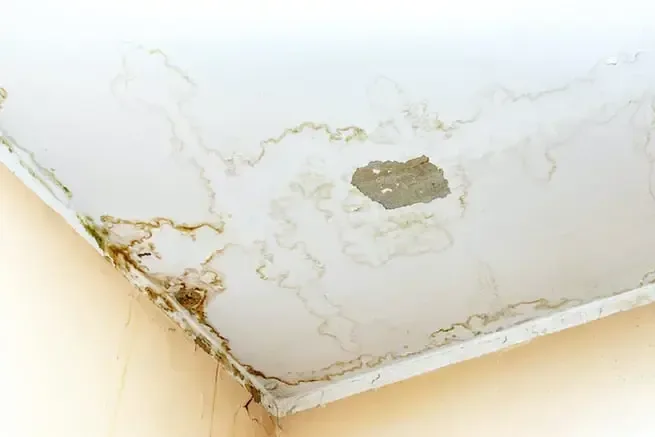
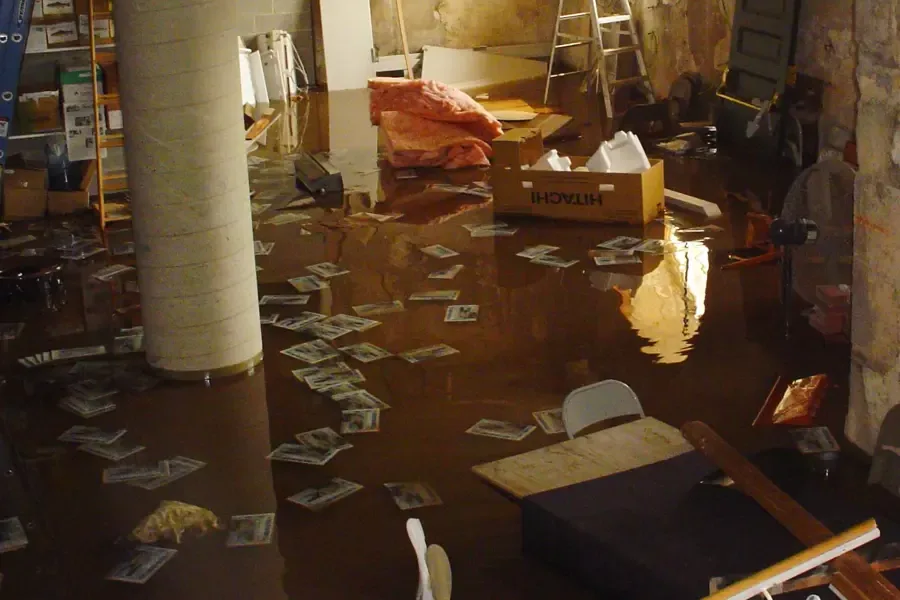
Related water damage services in Jenkintown
Structural Drying and Dehumidification questions
What is structural drying?
It is the controlled removal of moisture from retained building materials using access, air movement, dehumidification, and repeated measurements after liquid water and contamination are addressed. Monitoring frequency also reflects how quickly conditions are changing. Conditions are evaluated at each visit.
Why is extraction performed first?
Standing water creates a much larger load than damp material. Removing liquid directly makes drying more efficient and allows technicians to inspect surfaces and edges more clearly.
How are air movers positioned?
Placement follows exposed wet surfaces, room geometry, and the need to protect clean areas. Technicians adjust direction and quantity when monitoring shows an uneven response.
Can walls dry without openings?
Some can when water is suitable and airflow reaches the assembly. Closed insulation, impermeable coverings, trapped water, or damage may make selective access necessary.
How do technicians know drying is complete?
They compare repeat readings at marked locations with established dry material references or targets. The final check covers accessible deeper layers as well as visible surfaces.
Will every room use the same equipment?
No. Material type, wet area, temperature, vapor load, access, and occupancy affect the setup. Separate zones may require different changes during the same project.
Where is structural drying available?
Coverage includes Town Square, West Avenue, Summit Avenue, and other Jenkintown properties. Equipment is planned from the measured assembly conditions.
Use material readings to direct every equipment change
The drying team maps assemblies, creates limited access, balances evaporation with vapor removal, and records the final comparison.