Water Extraction in Jenkintown, PA
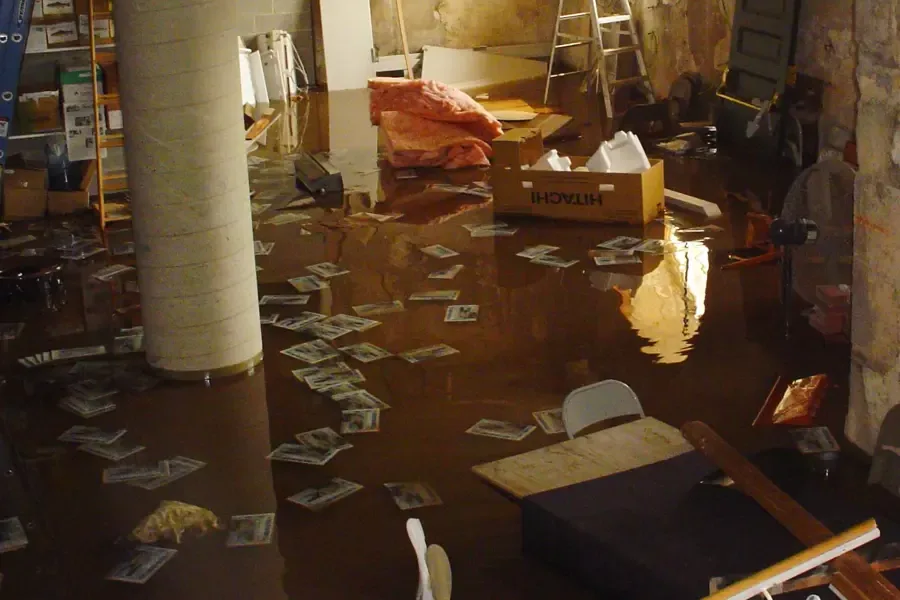
Standing water is removed in a planned sequence that protects dry rooms, checks concealed edges, and records what each affected material needs next.
(888) 557-1733Arrange a water removal assessment- Mapped work areas
- Controlled extraction
- Moisture records
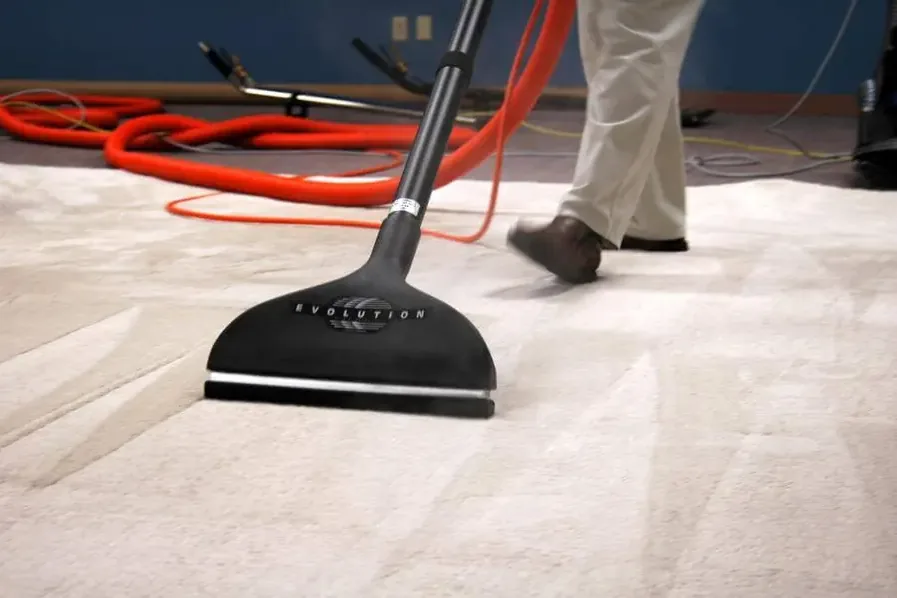
What to do the moment you find standing water in Jenkintown
- 1Shut down the release
Use an accessible valve only when the route is safe, then leave plumbing correction to the proper trade.
- 2Preserve the first condition
Photograph wet floors, wall edges, contents, and connected spaces before extraction changes the visible boundary.
- 3Create a protected route
Move dry portable belongings away and keep hoses, cords, and removed items from crossing unaffected rooms.
- 4Map before removing water
Let specialists test thresholds and perimeter finishes, select suitable extraction tools, and record the materials needing follow-up drying.
How the crew handles standing water
- AOutline every wet edge
Readings across floor transitions, wall bases, and adjoining rooms establish the working boundary.
- BRecover accessible liquid
Surface-specific tools remove pooled water and liquid retained in reachable flooring layers.
- CRecheck concealed margins
Cabinets, thresholds, and fixed finishes receive another examination after the open water is gone.
- DDocument the dry result
Consistent comparison points, photographs, and equipment entries show when retained materials meet the target.
Standing water near York Road can cross a threshold, settle beneath flooring, and enter a wall base before the original puddle looks extensive. Extraction specialists first mark the complete wet edge, protect a route through unaffected rooms, and identify every finish that needs direct removal or later drying. The borough setting adds useful access context, but readings inside the property determine where recovery begins and ends.
What does water extraction & removal cost in Jenkintown, PA?
Jenkintown water removal may require $1,000 to $6,000, depending on the recovery area. Open liquid, saturated carpet layers, obstructed room edges, and protected contents each affect the extraction plan and subsequent drying needs.
Contained area
$1,000 to $2,450
- Defined extraction zone
- Edge moisture survey
- Initial room photographs
Several rooms
$2,450 to $4,550
- Multiple floor transitions
- Contents protection route
- Follow-up moisture checks
Complex loss
$4,550 to $6,000+
- Concealed water tracing
- Selective finish access
- Extended equipment monitoring
Drivers: the water category, the square footage, the material class and how fast drying started. For a planning range, try the water damage cost calculator.
How the team handles standing water in Jenkintown
- 1
Moisture mapping
The tech who does the walkthrough maps wet materials with thermal imaging and pinless meters first.
- 2
Extraction
The extraction crew pulls standing water out with truck-mounted extraction, so it leaves the building.
- 3
Air movers and LGR
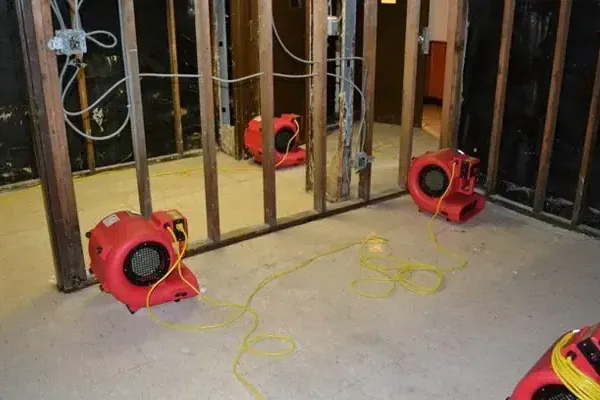
Air movers are set to each room's evaporation load; LGR dehumidifiers pull the moisture from the air.
- 4
Dry verification
Crews log readings daily and pull equipment once wet material is within 2 to 4 points of a dry reference.
Describe the source, wet rooms, and any immediate safety concerns.
(888) 557-1733Request an extraction assessmentRemoval starts after the source is stable
Active flow must be controlled before recovery becomes effective. The team notes electrical concerns, loose finishes, and safe access, then chooses equipment suited to the water depth and surface. Open floor water may call for a different tool than liquid held in carpet, padding, or a narrow perimeter. Work advances from the clearest collection area toward edges so tracked water does not enlarge the affected zone.
- Photograph the original reach of water before moving wet contents.
- Keep occupants away from outlets, damaged ceilings, and slick walking surfaces.
- Preserve a dry route for equipment and removed material.
Hidden edges receive their own checks
Extraction removes accessible liquid before readings identify moisture retained in the building assembly. Technicians compare readings at baseboards, thresholds, cabinets, and wall junctions. Near York Road, apartments above commercial space can create access and occupancy questions that require an orderly plan. Around West Avenue, the building layout still controls the work more than the name of the street. Material condition and meter results decide whether an item can be cleaned and dried or needs removal.
Drying follows the extraction map
Air movers are aimed across damp surfaces, while dehumidification removes moisture released into the room. Equipment placement changes as readings improve. Sound flooring may remain when access and contamination allow it; saturated porous material may require a different decision. The written map keeps each action connected to an observed condition rather than a broad assumption about the property.
- Mark consistent reading points for later comparison.
- Recheck rooms that share walls or floor transitions with the loss.
- Remove equipment only after material targets are documented.
Records keep a complex loss understandable
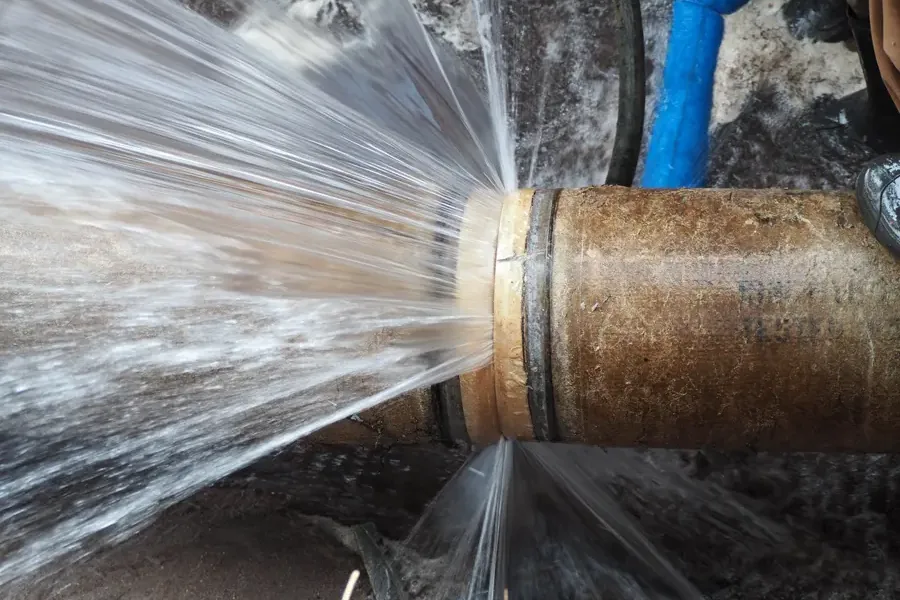
Photographs, extraction notes, equipment logs, and final readings form a practical history of the response. The 2016 AQUA PA main break near Walnut Street and Greenwood Avenue shows that sudden supply water events can disrupt a small borough, though any current property still requires its own inspection. Examine structural drying methods or see burst pipe cleanup options when the source or remaining moisture calls for additional work. After the first extraction pass, furniture contact points and floor transitions receive another look. Small retained pockets can sit beyond the visible puddle, so the next equipment arrangement follows the updated room map.
Water Extraction and Removal coverage in Jenkintown
Service covers Town Square, York Road, West Avenue, and properties across the borough. Each extraction plan reflects access, water condition, and the materials found on site. Work zones remain property specific.
Related water damage services in Jenkintown
Water Extraction and Removal questions
What should happen before extraction begins?
Control the source when that can be done safely, avoid wet electrical areas, and leave unstable finishes alone. Photographs taken before moving contents can preserve useful context for the work record.
Does removing visible water finish the job?
No. Liquid can remain beneath flooring or at wall edges after the surface looks clear. Moisture readings determine whether drying or selective material access is still necessary.
Can carpet stay after a water loss?
That depends on the water condition, backing, padding, attachment, and time wet. Technicians inspect each layer before recommending cleaning, drying, or removal.
How are dry rooms protected?
The crew establishes work boundaries, uses a planned travel route, and keeps wet debris from crossing unaffected areas. Containment may be added when material removal creates dust.
What records are useful for a claim?
Wide photographs, close views, a room list, extraction notes, equipment dates, and final readings help explain the sequence. The insurance policy determines whether a loss is covered.
How long does extraction take?
The answer depends on water volume, access, surface type, and whether liquid has entered concealed spaces. The removal phase and the structural drying phase are tracked separately.
Where is water removal available locally?
Coverage includes Town Square, York Road, and West Avenue. Equipment choices and material decisions come from the inspected conditions at the property.
Reduce the liquid load before it reaches more finishes
An extraction crew maps the affected area, removes accessible water, and records the material conditions that shape drying.