Commercial Water Damage in Hatboro, PA
Commercial mitigation separates occupants from wet areas, protects operations where possible, and tracks rooms, contents, equipment, and drying progress by work zone.
(888) 557-1733Discuss access for business recovery- Operational zoning
- Contents coordination
- Room-specific drying
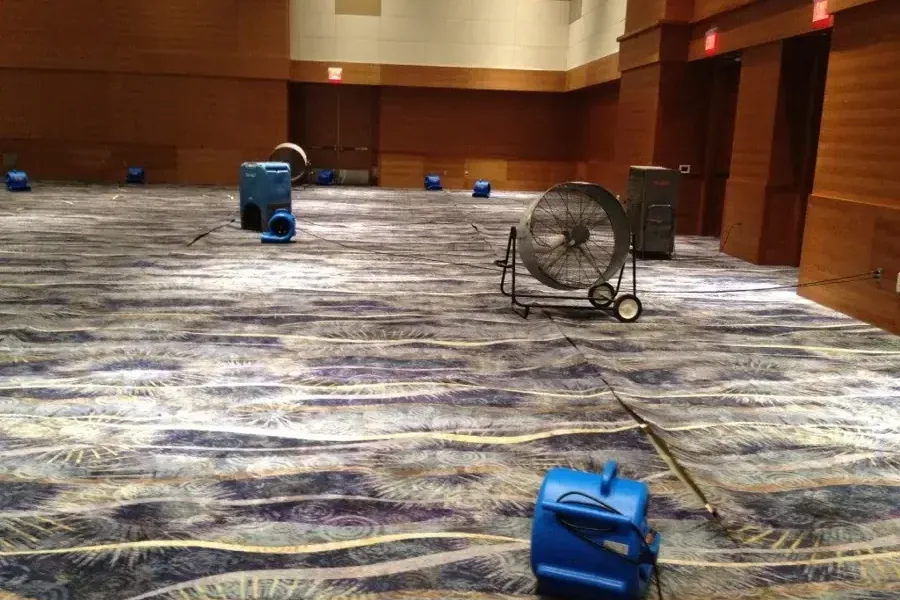
What to do the moment you find water inside a business in Hatboro
- 1Mark restricted business areas
Post clear boundaries around wet electricity, unstable finishes, active water, hoses, and other restoration equipment.
- 2Appoint the property contact
Use one authorized person for access, tenant communication, asset decisions, keys, and coordination with building trades.
- 3Inventory before movement
Photograph stock, furniture, documents, and equipment in their original zones before relocation or specialist assessment.
- 4Assign separate recovery goals
Give every active section its own extraction, material, equipment, and completion criteria.
How the crew handles water inside a business
- ABuild the operational map
Room names, access status, water boundaries, assets, and safety controls establish the project structure.
- BRecover water by priority
Extraction advances through approved routes while documented contents move into protected locations.
- CManage distinct environments
Each zone receives access and equipment suited to its materials, vapor load, and approved occupancy.
- DClose sections individually
A zone changes status only after its material actions and final readings are recorded.
Water inside a York Road business can affect public areas, staff rooms, stock, upper residences, and building systems at the same time. A single building-wide label is not precise enough. The opening meeting divides the property into named sections, gives each section an access status, and identifies one authorized contact for keys, contents, tenant coordination, and operating priorities.
What does commercial water damage restoration cost in Hatboro, PA?
A Hatboro commercial mitigation project may range from $5,000 to $35,000. Tenant coordination, restricted operating areas, stock movement, several drying zones, and the extent of contaminated or concealed materials shape the budget.
Focused business section
$5,000 to $14,000
- One mapped work zone
- Protected equipment route
- Opening contents record
Multiple operating areas
$14,000 to $26,000
- Several room boundaries
- Phased occupant access
- Independent drying setups
Broad coordinated loss
$26,000 to $35,000+
- Tenant coordination needs
- Special contents decisions
- Extended zone monitoring
Drivers: the water category, the square footage, the material class and how fast drying started. For a planning range, try the water damage cost calculator.
How the team handles water inside a business in Hatboro
- 1
Moisture mapping
The tech who does the walkthrough maps wet materials with thermal imaging and pinless meters first.
- 2
Extraction
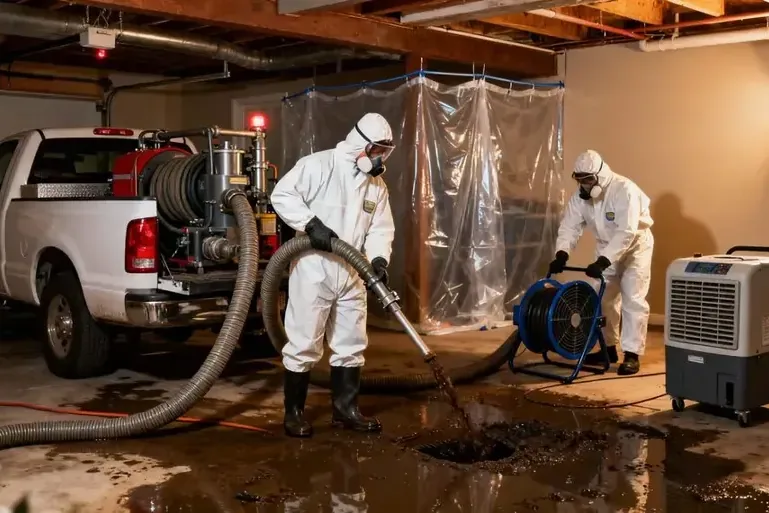
The extraction crew pulls standing water out with truck-mounted extraction, so it leaves the building.
- 3
Air movers and LGR
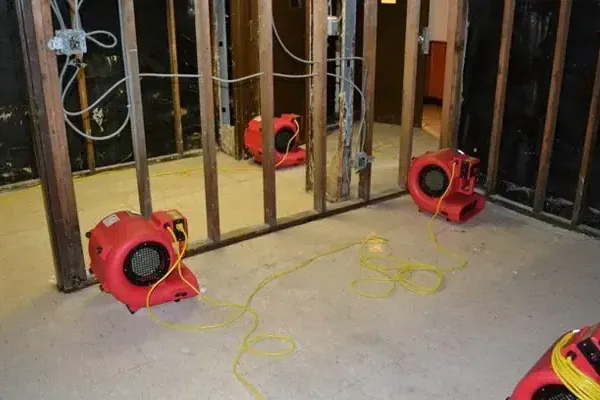
Air movers are set to each room's evaporation load; LGR dehumidifiers pull the moisture from the air.
- 4
Dry verification
Crews log readings daily and pull equipment once wet material is within 2 to 4 points of a dry reference.
Describe the source, wet rooms, and any immediate safety concerns.
(888) 557-1733Arrange an operations-focused assessmentOperational decisions begin with a floor-level map
Technicians mark where water started, which boundaries it crossed, and which spaces stayed dry. A closed extraction section may sit beside a usable area only when safety, contamination, utilities, dust, and circulation can be controlled. Around Downtown Hatboro, the property contact decides whether operations continue; the restoration record states only the conditions and restrictions observed.
- Post access status at every active work section.
- Keep customers and vendors outside equipment routes.
- Identify utility and electrical concerns before extraction.
Contents remain tied to their original locations
Stock, furniture, records, and portable equipment are photographed before movement. Labels connect each item to its room or tenant area. Restoration technicians document exterior water exposure to specialized machinery, while the appropriate vendor evaluates function or internal damage. Dry assets travel through a protected path away from wet debris.
Different rooms need different drying arrangements
An office, shop floor, corridor, storage room, and upper residence can contain unlike materials and occupancy limits. Extraction proceeds first, followed by necessary cleaning and access. Airflow and dehumidification are then assigned to the material load in each section. Readings remain attached to their zone when machines move.
- Separate customer circulation from cords and hoses.
- Track removed finish and contents by section.
- Record every change in zone status.
Area-specific reporting keeps the project understandable
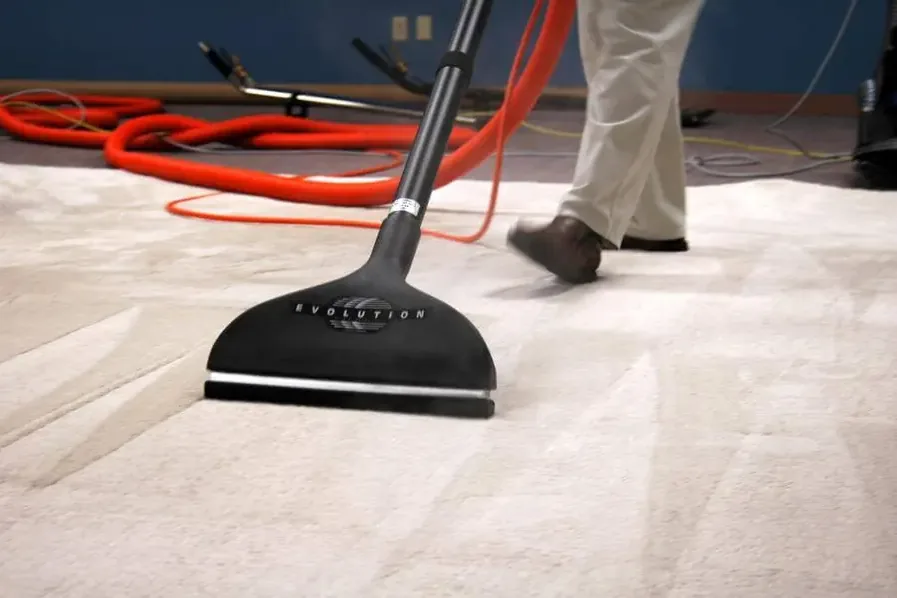
The closing package lists the source status, affected sections, contents movements, material actions, equipment history, and final comparisons. Plumbers, roofers, electricians, and equipment vendors document their own work. Explore commercial extraction or see measured structural drying for the core mitigation phases.
Recovery zones need a documented handoff
A zone can return to normal use only after the retained materials in that area meet the stated drying criteria. The closing check covers wall bases, flooring transitions, fixed casework, and any route used to move equipment. At a York Road storefront or a workspace near Byberry Road, that room-by-room handoff helps managers decide where staff and visitors can safely return while work continues elsewhere. It also gives the property record a clear boundary between completed mitigation and later finish repair. Managers also receive equipment locations and the planned access needed for the next visit. Keeping that information with the zone map helps staff avoid moving machines or blocking a route needed to reach unfinished areas.
Commercial Water Damage Restoration coverage in Hatboro
Commercial response covers York Road, Moreland Avenue, Hatboro station, and business properties throughout the borough. Occupancy, operating needs, contamination, access, contents, and measured material conditions determine how work zones are arranged.
Related water damage services in Hatboro
Commercial Water Damage Restoration questions
Can part of a business stay open?
Possibly. Safety, utilities, contamination, dust, noise, access, and separation from restoration work all affect that decision. The property contact controls operations. The answer depends on readings from that exact zone, the condition of its finishes, and whether safe access can be separated from active work.
How are several tenant spaces organized?
Each receives a name, access status, water boundary, contents record, material scope, equipment arrangement, and completion measurements. Shared assemblies remain cross-referenced. The answer depends on readings from that exact zone, the condition of its finishes, and whether safe access can be separated from active work.
Who evaluates specialized machinery?
An appropriate technical vendor assesses function and internal damage. Restoration specialists can record location, visible exterior exposure, and surrounding building conditions.
How are documents and stock protected?
Dry items are photographed, labeled by original location, and moved through a protected route. Wet goods receive material-specific handling decisions.
What appears in the project record?
The file includes zone maps, source status, photographs, contents movements, extraction, removed finishes, equipment changes, and closing readings.
Who performs permanent building repairs?
Plumbers, roofers, electricians, and specialized contractors handle their trades. The mitigation assignment covers water, cleaning, access, and drying.
Where is commercial service available?
Business properties near York Road, Downtown Hatboro, Moreland Avenue, and elsewhere in the borough can request a site-specific response.
Give every room, asset group, and drying area a clear status
The commercial response tracks water, contents, circulation, equipment, and completion evidence by named zone.