Burst Pipe Cleanup in Jenkintown, PA
A split supply pipe can move clean water through floors and walls quickly, so source isolation and a room-by-room moisture trace come first.
(888) 557-1733Assess a pipe release- Source isolated
- Water path traced
- Assemblies dried
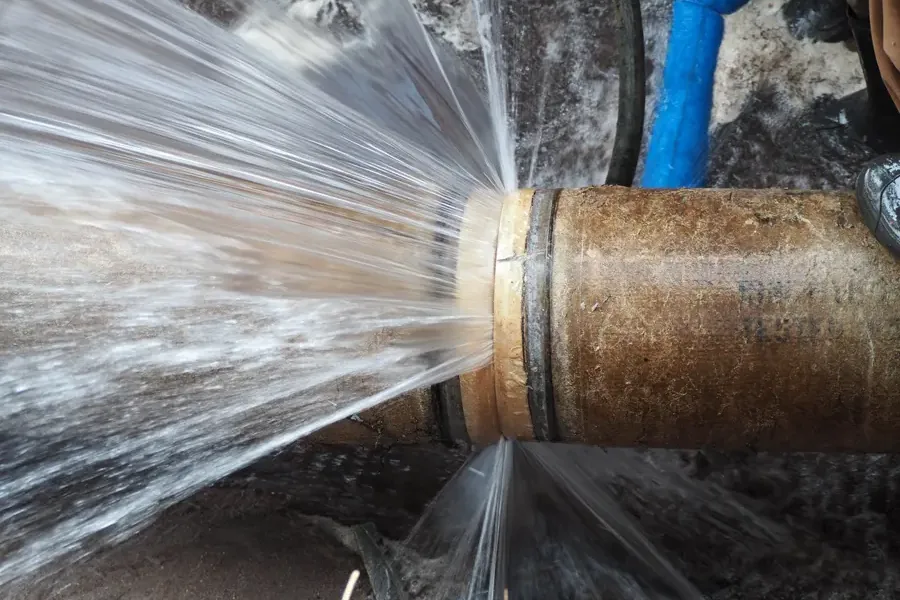
What to do the moment you find a burst supply pipe in Jenkintown
- 1Reach only a safe shutoff
Control the supply when the known valve is accessible without crossing wet electrical or structural hazards.
- 2Keep lower rooms vacant
Restrict access beneath wet ceilings and around fixtures where draining cavity water may appear.
- 3Photograph the vertical route
Record the failed area, shared walls, floor transitions, and every lower space showing a water effect.
- 4Coordinate plumber and restorer
Pipe correction proceeds separately while extraction, selective access, contents protection, and drying address the released water.
How the crew handles a burst supply pipe
- AConfirm the repaired source
Plumbing findings identify the failed section and establish when safe system testing can occur.
- BFollow gravity and framing
Readings track water along cavities, floors, thresholds, and rooms beneath the original release.
- CRecover trapped liquid
Extraction and limited openings reduce water held behind finishes before evaporation equipment carries the load.
- DProve each assembly dry
Marked comparison points and photographs document retained walls, ceilings, and flooring at completion.
A broken supply pipe creates two jobs at once: stopping and repairing the plumbing failure, then finding the water that escaped. Jenkintown has a documented example of sudden supply disruption from the January 2016 AQUA PA main break near Walnut Street and Greenwood Avenue. That public event does not explain a private loss, but it shows why each incident needs its own source record, affected-room map, and safe access plan.
What does burst pipe cleanup cost in Jenkintown, PA?
For pipe damage in Jenkintown, $1,800 to $11,000 is a planning range. A release contained near the shutoff differs from water passing through ceilings, cabinets, and several connected floor layers.
Contained area
$1,800 to $4,480
- One visible pipe break
- Immediate floor extraction
- Nearby cavity checks
Several rooms
$4,480 to $8,320
- Water across several rooms
- Selective wall access
- Repeated drying measurements
Complex loss
$8,320 to $11,000+
- Multi-level hidden travel
- Extensive finish removal
- Longer equipment operation
Drivers: the water category, the square footage, the material class and how fast drying started. For a planning range, try the water damage cost calculator.
How the team handles a burst supply pipe in Jenkintown
- 1
Moisture mapping
The tech who does the walkthrough maps wet materials with thermal imaging and pinless meters first.
- 2
Extraction
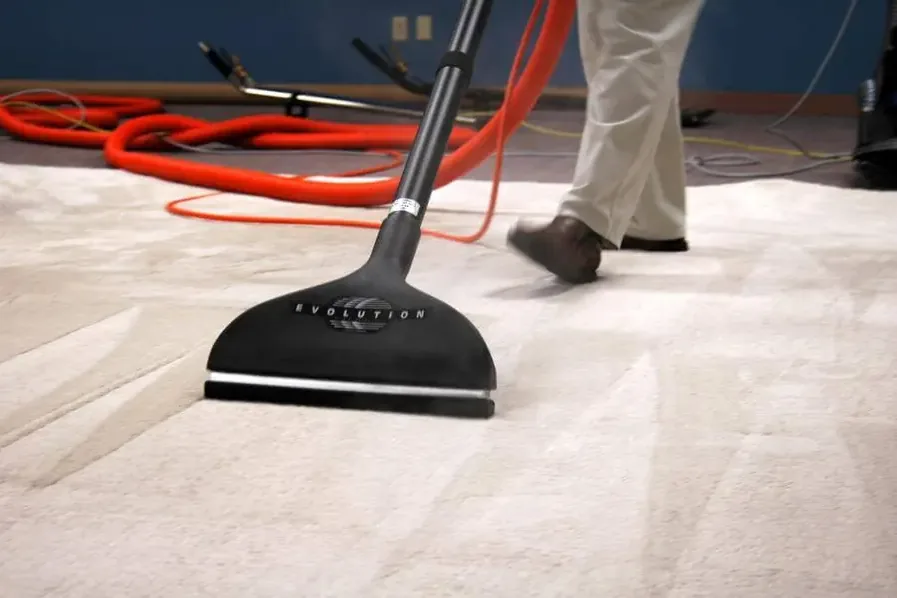
The extraction crew pulls standing water out with truck-mounted extraction, so it leaves the building.
- 3
Air movers and LGR
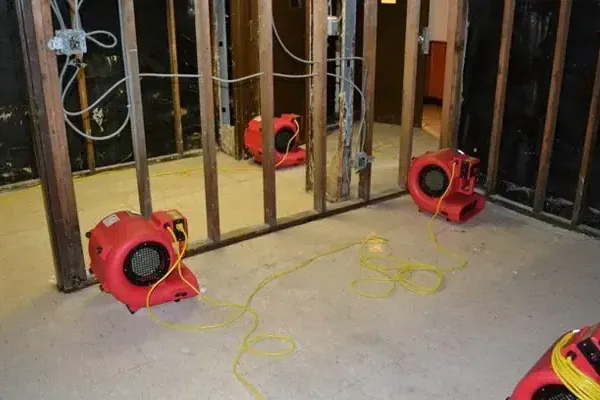
Air movers are set to each room's evaporation load; LGR dehumidifiers pull the moisture from the air.
- 4
Dry verification
Crews log readings daily and pull equipment once wet material is within 2 to 4 points of a dry reference.
Describe the source, wet rooms, and any immediate safety concerns.
(888) 557-1733Request a release assessmentSecure the scene before following the water
A known shutoff can be used only when reaching it does not require contact with wet electrical equipment, a sagging ceiling, or an unstable surface. The plumber identifies and repairs the damaged pipe. Meanwhile, the mitigation team protects dry belongings and notes where water first appeared. A release near York Road, Town Square, or West Avenue may involve a residence, business space, or rooms with different access needs, so the survey is organized room by room.
- Keep occupants away from wet fixtures and weakened overhead finishes.
- Record the shutoff time and the rooms showing active water.
- Leave pipe testing and repair decisions to the plumbing professional.
Trace beyond the obvious puddle
Supply water may run beneath flooring, drop inside a partition, or collect below the source level. Extraction begins on accessible liquid while meters are used at wall bases, flooring transitions, cabinets, and ceilings underneath. Materials are judged separately. A sound finish with a reachable drying path may remain, while an assembly that has lost integrity or blocks access may require a limited opening. The restoration team records why an opening was made instead of treating removal as automatic.
Match drying equipment to the discovered route
Once liquid volume is reduced, air movement supports evaporation from exposed surfaces and dehumidification collects the added vapor. Monitoring locations remain fixed so changes can be compared. A cabinet toe space, closet edge, or shared wall may improve more slowly than an open floor. Equipment positions can therefore change during the work. Jenkintown Borough Code Enforcement requirements apply when plumbing is relocated, reconfigured, or added, while the water mitigation record remains focused on the released water and affected materials.
- Recheck spaces beside and below the repaired section.
- Note insulation, floor layers, and fixed finishes that restrict access.
- Keep daily material readings tied to named locations.
Close the file with a cause-to-dry sequence
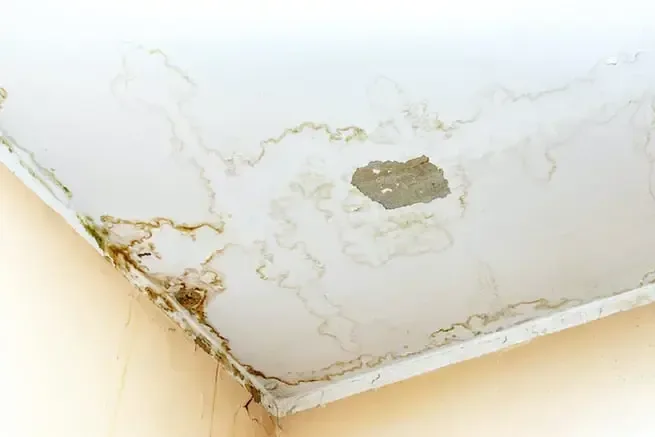
The completed record links the plumber's finding, initial photographs, extraction areas, contents handling, material decisions, equipment changes, and final comparisons. It also distinguishes pipe repair from resulting damage. See ceiling leak cleanup when the first evidence appeared overhead. Explore structural drying when water remained in framing or finish layers after extraction. A last inspection of room edges and concealed routes helps ensure that an apparently dry open area does not hide a damp boundary.
Burst Pipe Cleanup coverage in Jenkintown
Pipe cleanup covers Walnut Street, Greenwood Avenue, York Road, and properties across the borough. Release location, water travel, building access, and affected finishes set the response scope. Findings remain property specific.
Related water damage services in Jenkintown
Burst Pipe Cleanup questions
What should happen first after a pipe bursts?
Close a safe accessible supply shutoff, avoid wet electrical areas, and keep people away from sagging finishes. A plumber can repair the pipe while mitigation addresses released water.
Can water remain after the spray stops?
Yes. Water can continue draining from wall and floor cavities or remain beneath finishes. Moisture mapping shows where extraction, access, and drying are still needed.
Does the plumber perform all cleanup?
Plumbing repair and water mitigation are distinct scopes. The restoration team extracts water, handles affected materials, protects contents, dries assemblies, and records the result.
Must every wet wall be removed?
No. Water condition, material integrity, access, insulation, and drying progress direct that choice. Selective openings may be enough when retained parts can be reached and verified.
How are rooms below checked?
Technicians inspect ceilings, wall junctions, fixtures, and floor areas beneath the source. They compare moisture readings across connected assemblies instead of relying only on visible staining.
What supports a burst pipe claim file?
Source documentation, plumber findings, photographs, affected room lists, extraction notes, removed material, equipment dates, and final readings explain the sequence. Policy terms control coverage.
Where is burst pipe cleanup available?
Service reaches Walnut Street, Greenwood Avenue, York Road, and other Jenkintown properties. The release path and construction determine the plan.
Trace water beyond the repaired pipe before finishes conceal it
The extraction crew follows the supply release through connected assemblies, removes liquid, and records drying at consistent locations.