Roof Leak Water Damage in Jenkintown, PA
Roof water may travel through decking, insulation, framing, and ceilings before it appears, making safe temporary control and multi-level mapping essential.
(888) 557-1733Trace a roof water path- Interior protection
- Assembly mapping
- Verified drying
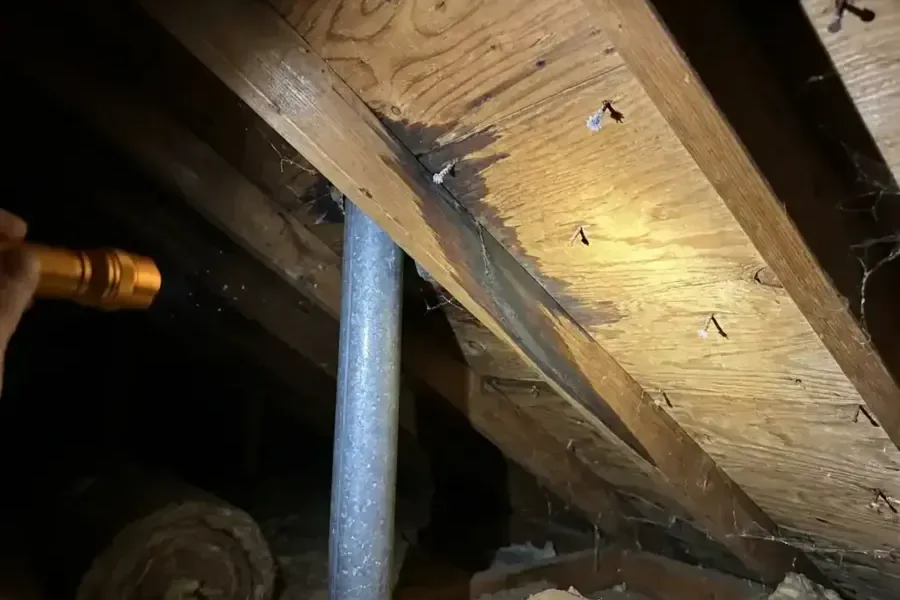
What to do the moment you find a roof leak in Jenkintown
- 1Leave exterior access to roofers
Do not climb onto wet, steep, damaged, or unstable roof surfaces to investigate an active leak.
- 2Shield the room underneath
Move portable belongings and restrict areas below sagging ceilings, wet fixtures, or falling debris.
- 3Capture changes during rain
Photograph interior stains, drips, attic clues, and lower-room effects before temporary protection alters them.
- 4Connect repair with mitigation
Keep roofer findings beside the moisture map while technicians extract water, assess insulation, and dry interiors.
How the crew handles a roof leak
- ALink exterior and interior clues
Roof findings are compared with attic, ceiling, wall, and lower-level moisture patterns.
- BProtect contents and finishes
Belongings move from the drip path while accessible water and unstable material are addressed.
- CDry separate building zones
Attic framing, insulation areas, ceilings, and walls receive methods matched to their measured condition.
- DClose the interior record
Repair notes, room photographs, equipment entries, and final readings explain the completed mitigation boundary.
A roof opening and an interior stain may not sit directly above one another. Water can move under a covering, follow roof framing, enter insulation, and appear at a ceiling joint. More than 60 percent of Jenkintown houses were built before 1939, so varied older assemblies deserve attention, although age cannot identify the source or dictate removal. A roofer evaluates exterior correction. The water damage team maps and stabilizes the affected interior.
What does roof leak water damage cost in Jenkintown, PA?
Jenkintown interior roof-leak recovery may cost $1,500 to $10,000. The estimate accounts for wet attic material, protected contents, ceiling access, and drying across affected levels. Exterior repair needs a separately defined scope.
Contained area
$1,500 to $4,024
- Focused roof-entry area
- Interior contents protection
- Attic moisture checks
Several rooms
$4,024 to $7,475
- Several connected rooms
- Ceiling access work
- Separate drying sections
Complex loss
$7,475 to $10,000+
- Complex multi-level travel
- Insulation and finish removal
- Longer monitored recovery
Drivers: the water category, the square footage, the material class and how fast drying started. For a planning range, try the water damage cost calculator.
How the team handles a roof leak in Jenkintown
- 1
Moisture mapping
The tech who does the walkthrough maps wet materials with thermal imaging and pinless meters first.
- 2
Extraction
The extraction crew pulls standing water out with truck-mounted extraction, so it leaves the building.
- 3
Air movers and LGR
Air movers are set to each room's evaporation load; LGR dehumidifiers pull the moisture from the air.
- 4
Dry verification
Crews log readings daily and pull equipment once wet material is within 2 to 4 points of a dry reference.
Describe the source, wet rooms, and any immediate safety concerns.
(888) 557-1733Request a roof path assessmentObserve from a safe interior position
No occupant should climb onto a wet or damaged roof. From inside, useful evidence includes the stain shape, the time it changed, attic conditions where access is safe, and effects in rooms below. A loss near Summit Avenue, Walnut Street, or the George Perley Bird Sanctuary is handled from property findings rather than a boroughwide assumption. Furniture and belongings are moved or covered without placing anyone beneath sagging finish.
- Leave wet ceiling lights and wiring undisturbed.
- Photograph active dripping and new marks only from stable flooring.
- Keep a list of rooms and levels showing a related change.
Separate stopping rain from removing indoor water
Temporary exterior protection may limit fresh entry, but it does not extract water or dry insulation, framing, and ceiling materials already affected. Restoration technicians recover accessible liquid and inspect the route from the upper assembly downward. A controlled opening may be needed to release trapped water, remove unsalvageable insulation, or expose a drying surface. The room is protected first, and the purpose of access is documented.
Monitor the attic and finished room as distinct zones
Roof framing, insulation, plaster, drywall, and wall tops can release moisture at different rates. Equipment is arranged for the surfaces that remain, not pointed through the structure without a map. Material readings at consistent locations show which zone is improving. Dehumidification manages vapor produced by evaporation, and airflow positions are revised when one layer or edge responds slowly. Jenkintown Borough Code Enforcement information may apply to later regulated work, but it does not replace inspection of the current loss.
- Pair roofer findings with the interior moisture diagram.
- Recheck lower rooms along the suspected framing path.
- List each insulation or finish decision by location.
Keep the timeline clear through final repair
The file links weather observations, exterior findings, room photographs, water removal, contents protection, access work, equipment dates, and final comparisons. New entry before permanent roof repair is added as a separate change. See ceiling leak cleanup for overhead finish hazards. Compare storm water damage when several weather paths may be involved. Drying ends only after retained interior materials meet the recorded goal and the source status is understood.
Roof Leak Water Damage coverage in Jenkintown
Roof leak response serves Summit Avenue, George Perley Bird Sanctuary, Walnut Street, and properties across the borough. The entry route, affected levels, and assembly condition define the interior work.
Related water damage services in Jenkintown
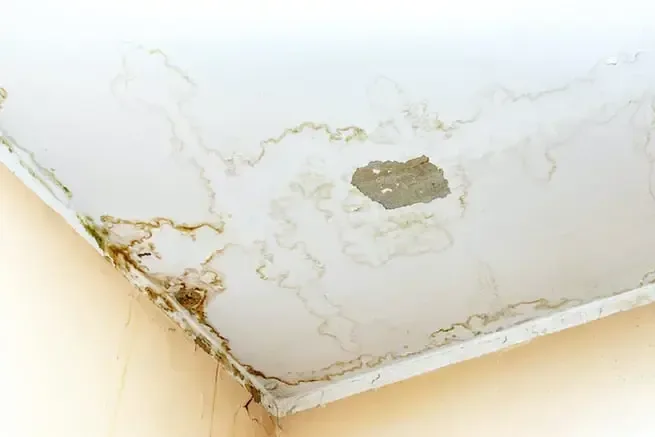
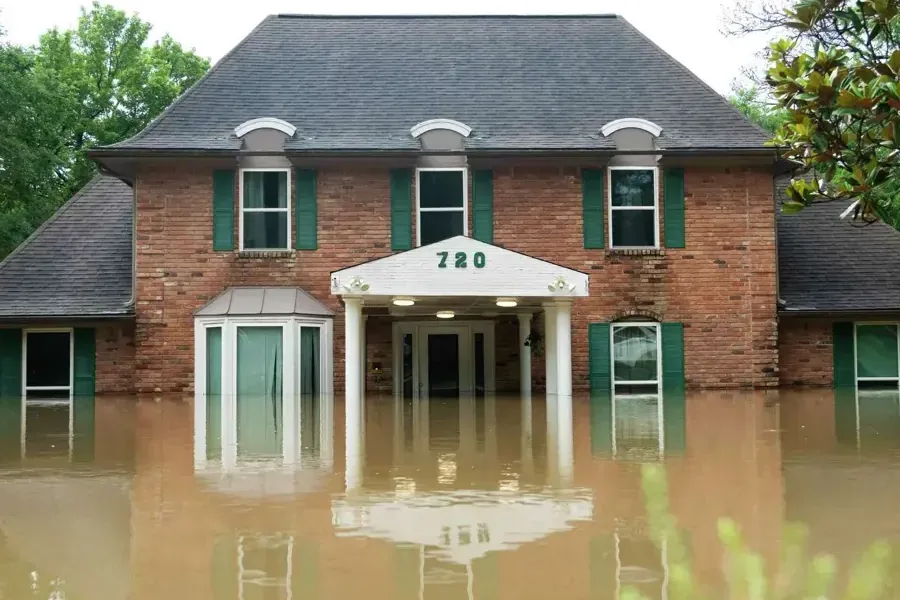
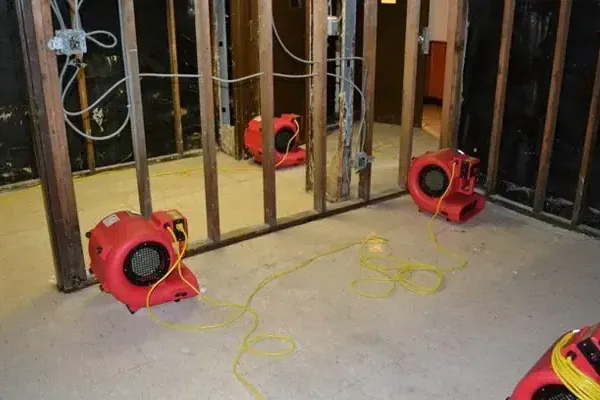
Roof Leak Water Damage questions
Is the ceiling stain directly below the roof opening?
Not necessarily. Water may travel beneath the covering, along framing, or through insulation before appearing at a joint or wall. Readings and safe attic observations help connect the exterior finding to the indoor moisture pattern.
What should occupants avoid during active entry?
Occupants should not climb onto a wet roof or stand beneath bowed finish. Wet lights and wiring are left undisturbed. Movable belongings can be protected from a stable, dry approach.
Who deals with the exterior roof problem?
A roofer evaluates exterior stabilization and repair. Restoration specialists document indoor effects, remove accessible water, assess insulation and finish, create controlled access when needed, and measure retained materials.
Does stopping the leak finish the interior work?
No. Exterior control limits new entry, but framing, insulation, ceiling material, and wall tops may still hold water. Those components need their own inspection, retention decision, and drying verification.
When is a ceiling opening considered?
An opening may release trapped water, remove material that lost integrity, expose wet insulation, or create a measured drying route. The room is protected first, and the reason and location are recorded.
How is new rain handled before permanent repair?
Any fresh entry is treated as a dated change. The crew updates photographs and the moisture boundary, protects contents again if needed, and separates that development from earlier drying progress.
What supports a roof water damage record?
Weather observations, roofer findings, photographs by room, extracted water, protected belongings, accessed materials, equipment dates, and final comparisons explain how entry connected to the completed indoor mitigation.
Protect the interior while exterior repair stops new water
The mitigation team links roof findings to interior moisture, creates necessary access, and verifies drying across each affected level.