Storm Water Damage Cleanup in Jenkintown, PA
A storm loss can combine roof openings, surface runoff, power concerns, and water on several levels, requiring a sequenced building-wide inspection.
(888) 557-1733Map a storm intrusion- Exterior clues
- Interior moisture map
- Phased recovery
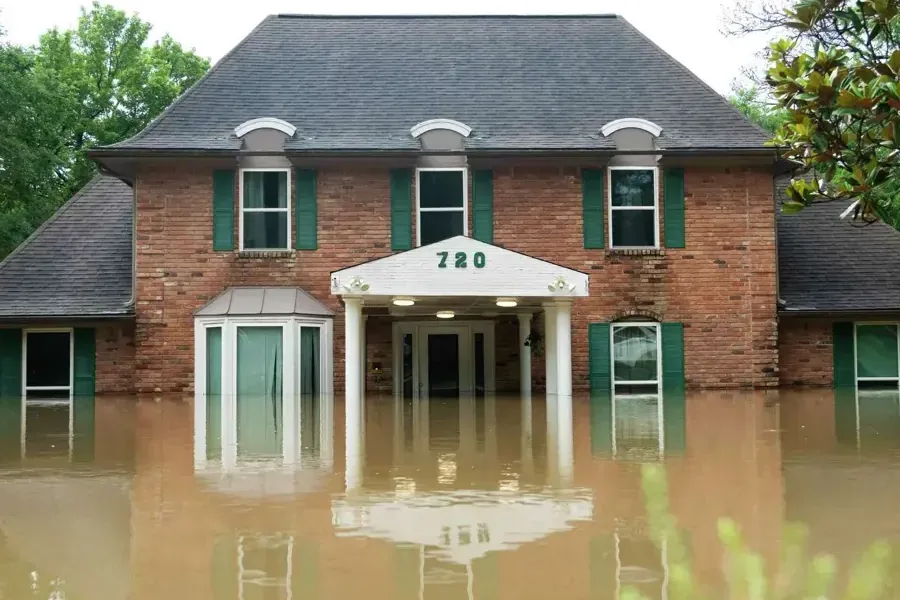
What to do the moment you find storm water indoors in Jenkintown
- 1Survey exterior hazards first
Stay clear of damaged roof edges, unstable trees, wet electrical components, and ceilings that have begun to sag.
- 2Reduce entry without exposure
Use a container or accessible control only where overhead finishes and the surrounding route remain safe.
- 3Capture separate water paths
Photograph roof-side clues, windows, thresholds, ceiling marks, and lower rooms before temporary work changes them.
- 4Request a level-by-level map
Technicians connect each likely opening with damp finishes above, beside, and below the first visible damage.
How the crew handles storm water indoors
- ACompare weather clues
Safe exterior observations are matched to ceiling, wall, floor, and lower-level moisture patterns.
- BProtect interiors and contents
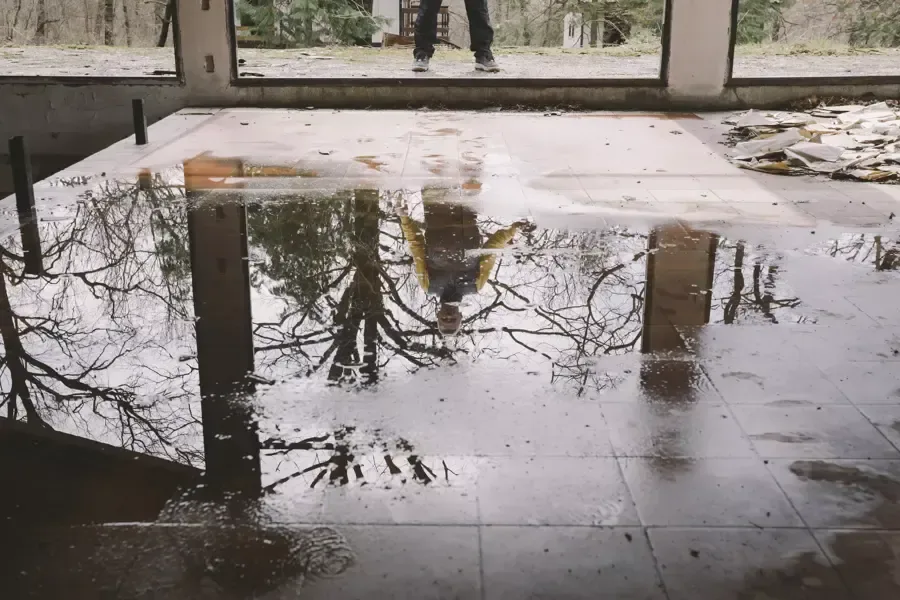
Standing water is recovered while dry belongings and safe circulation routes receive priority.
- CEstablish distinct drying areas
Each affected level receives equipment and access based on its materials and vapor load.
- DTie records to each path
Temporary repairs, interior photographs, material changes, and final readings remain clearly separated.
One storm can produce unrelated wet areas inside the same Jenkintown building. Rain may enter high on the structure while surface water reaches a doorway, and snowmelt or ice melt can add runoff later. The survey does not force those signs into one explanation. It follows each path from safe observations to interior moisture, then assigns the appropriate source work, extraction, cleaning, access, and drying to that path.
What does storm water damage cleanup cost in Jenkintown, PA?
For Jenkintown storm losses, $2,500 to $16,000 offers a preliminary cleanup range. Separate roof and ground-entry routes can require different cleaning methods, access openings, and equipment zones within the same building.
Contained area
$2,500 to $6,475
- Single rain entry path
- Interior water recovery
- Focused ceiling checks
Several rooms
$6,475 to $12,025
- Several affected levels
- Contents protection work
- Separate drying areas
Complex loss
$12,025 to $16,000+
- Runoff and roof entry
- Major finish access
- Extended weather controls
Drivers: the water category, the square footage, the material class and how fast drying started. For a planning range, try the water damage cost calculator.
How the team handles storm water indoors in Jenkintown
- 1
Moisture mapping
The tech who does the walkthrough maps wet materials with thermal imaging and pinless meters first.
- 2
Extraction
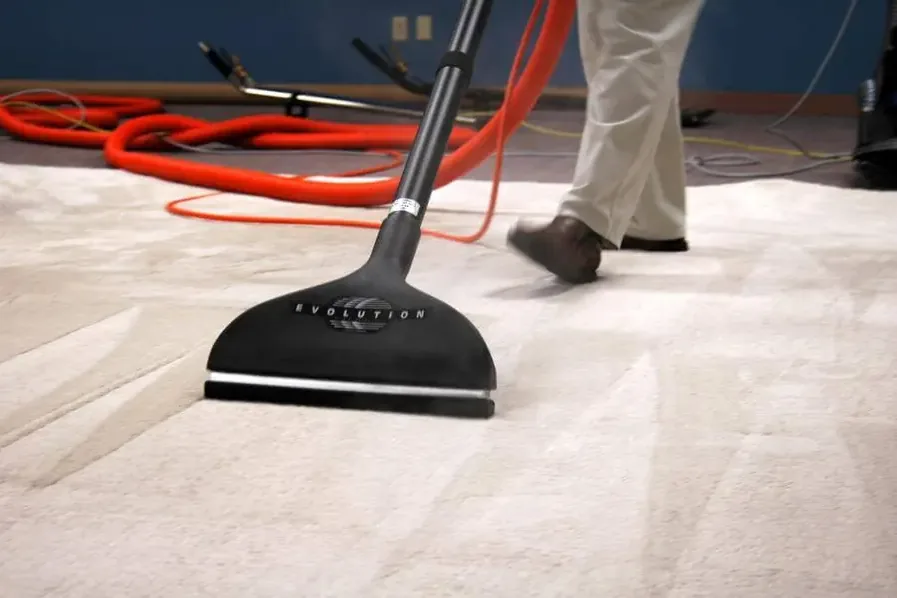
The extraction crew pulls standing water out with truck-mounted extraction, so it leaves the building.
- 3
Air movers and LGR
Air movers are set to each room's evaporation load; LGR dehumidifiers pull the moisture from the air.
- 4
Dry verification
Crews log readings daily and pull equipment once wet material is within 2 to 4 points of a dry reference.
Describe the source, wet rooms, and any immediate safety concerns.
(888) 557-1733Arrange an intrusion mapCheck runoff routes and blocked inlets
Jenkintown Borough Public Works states that precipitation, snowmelt, and ice melt flow toward stormwater inlets. Leaves and yard debris can clog inlets and contribute to street flooding. Runoff ultimately drains toward Tookany Creek and Pennypack Creek. An inlet blockage and an indoor stain can occur during the same storm without sharing a cause; the entry route needs to be traced at the building. Conditions near Walnut Street, Greenwood Avenue, and West Avenue still require direct inspection.
- Stay away from downed electrical hazards and visibly unstable materials.
- Do not stand below a ceiling that is bowing or shedding water.
- Photograph distinct entry clues before temporary protection changes them.
Classify water by the route it actually traveled
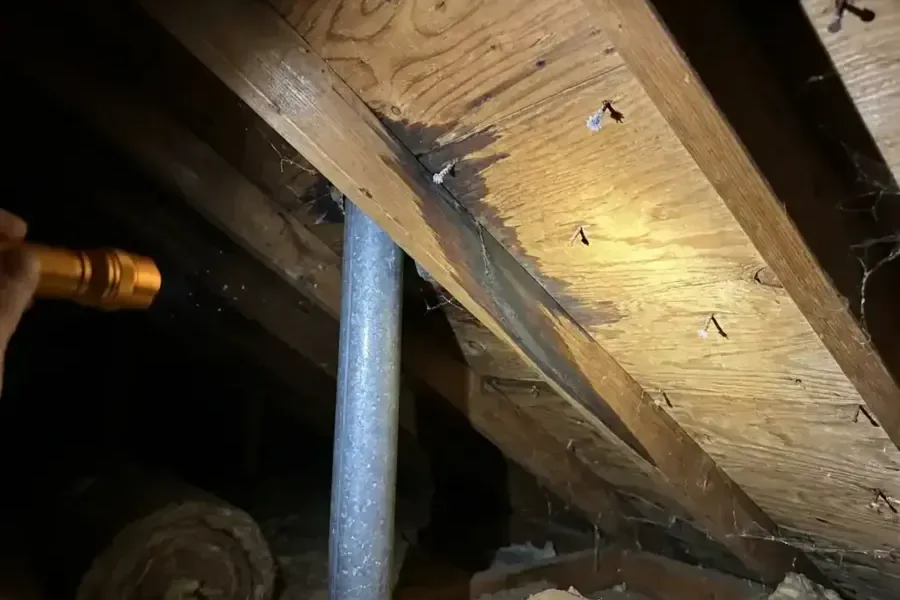
Rain passing directly through a recent opening presents different cleaning questions from runoff that crossed soil, pavement, or debris. Technicians identify the route before deciding which porous finishes may remain. Accessible liquid is extracted, dry contents are moved or covered, and wet insulation or wall finish is evaluated for controlled access. A roofer handles exterior roof correction. The water mitigation scope remains focused on affected interior materials and any incoming ground-contact water.
Create separate drying zones across levels
An upper ceiling cavity and a wet lower floor should not share an unclear monitoring record. Each receives named points, material readings, and an equipment plan. Airflow serves cleaned retained surfaces while dehumidification manages the vapor load within the controlled zone. Equipment locations change when one area responds more quickly. If safe power is unavailable, an appropriate electrical professional handles supply decisions and the project record notes the effect on work timing.
- Inspect rooms below confirmed upper entry.
- Protect dry furnishings before any ceiling or wall access.
- Record exterior stabilization apart from indoor mitigation.
Connect every photograph to a water path
A useful chronology shows weather observations, the suspected entry, affected rooms, water condition, extracted areas, material decisions, and final readings. The Pennsylvania Flood Risk Tool can provide property-level information, but it is not authoritative for a final hazard determination and does not replace site findings. See roof leak cleanup when entry is concentrated overhead. Compare flood cleanup when water crossed the ground. Each zone closes only when retained materials meet their documented moisture goal.
Storm Water Damage Cleanup coverage in Jenkintown
Storm cleanup serves Walnut Street, Greenwood Avenue, West Avenue, and the rest of Jenkintown. Observed entry points, water condition, affected levels, and materials shape each response. Findings remain property specific.
Related water damage services in Jenkintown
Storm Water Damage Cleanup questions
Who repairs a storm-damaged roof?
A roofing professional handles permanent roof work. Restoration technicians can address interior water, wet finishes, contents protection, selective access, and structural drying. Those entries keep exterior and interior responsibilities clear.
Can storm water be treated as clean?
Its route matters. Rain entering directly may differ from water that crossed soil, roofing debris, or pavement. Technicians classify conditions from current evidence before deciding what can remain.
Why inspect rooms below a ceiling stain?
Water can follow framing, pipes, wiring openings, and wall cavities before appearing lower in the building. A multi-level moisture map helps define the complete boundary.
Should a bulging ceiling be punctured?
An occupant should not stand beneath or disturb a sagging wet ceiling. The stored water and weakened finish can fall suddenly, so the area should remain restricted.
Do clogged inlets prove the building source?
No. They can contribute to local street flooding, but roof openings, windows, grading, drains, and plumbing evidence still require a property inspection.
What information helps with storm documentation?
Photographs before temporary work, weather timing, room locations, material changes, equipment records, and final readings connect the event to the completed mitigation scope.
Which parts of Jenkintown receive service?
Response covers Walnut Street, Greenwood Avenue, West Avenue, and properties throughout the borough. The observed storm path determines the work.
Connect the exterior opening to the full interior moisture path
Technicians protect dry areas, remove water, evaluate exposed finishes, and manage separate drying zones through documented completion.