Sewage Cleanup in Jenkintown, PA
A sewage release requires restricted access, careful removal, discard decisions for porous materials, detailed cleaning, and drying after contamination has been reduced.
(888) 557-1733Discuss a sewage release- Restricted work zone
- Contaminated removal
- Cleaning records
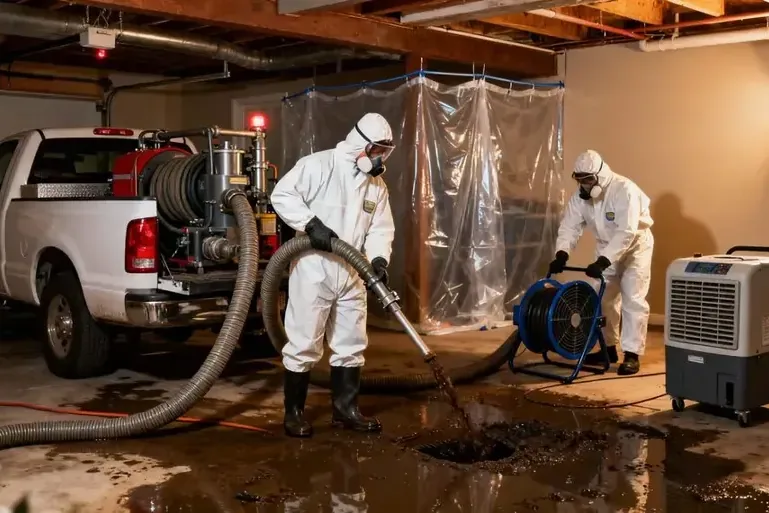
What to do the moment you find a sewage backup in Jenkintown
- 1Close the affected rooms
Keep occupants and pets outside every space touched by sewage or tracked contaminated water.
- 2Stop adding drain flow
Avoid using connected fixtures and contact the proper plumbing or drain professional for source correction.
- 3Photograph from clean space
Record liquid, debris, contents, and room connections without walking across the contaminated boundary.
- 4Begin protected remediation
Specialists establish clean and dirty routes, recover waste, remove unsuitable materials, clean surfaces, and dry structure.
How the crew handles a sewage backup
- AMap contamination travel
Liquid depth, splash, tracked residue, adjoining finishes, and the exit route define containment.
- BExtract waste and debris
Protected workers remove sewage, solids, and absorbent materials that cannot be effectively cleaned.
- CWash retained materials
Accessible durable surfaces receive detailed cleaning before controlled airflow addresses structural moisture.
- DRecord sanitation and drying
Photographs, disposal entries, cleaning notes, and final readings describe the completed work.
Sewage cleanup begins at the edge of contamination, not at the plumbing fixture alone. Liquid, splash, footwear, tools, and moved belongings can create different boundaries. At a Jenkintown property near Greenwood Avenue, Walnut Street, or York Road, the mitigation team first restricts entry and identifies a clean route. A plumber or drain professional addresses the cause. The remediation work handles contaminated water, affected contents and finishes, surface cleaning, and remaining structural moisture.
What does sewage cleanup cost in Jenkintown, PA?
Sewage mitigation in Jenkintown can range from $3,500 to $18,000. The contaminated boundary, disposal volume, clean travel route, and accessibility of washable surfaces determine the labor before structural drying is considered.
Contained area
$3,500 to $7,524
- Contained fixture area
- Protected waste extraction
- Durable surface cleaning
Several rooms
$7,524 to $13,975
- Several contaminated rooms
- Porous finish disposal
- Separated clean pathway
Complex loss
$13,975 to $18,000+
- Difficult concealed spread
- Extensive contents handling
- Longer sanitation controls
Drivers: the water category, the square footage, the material class and how fast drying started. For a planning range, try the water damage cost calculator.
How the team handles a sewage backup in Jenkintown
- 1
Moisture mapping
The tech who does the walkthrough maps wet materials with thermal imaging and pinless meters first.
- 2
Extraction
The extraction crew pulls standing water out with truck-mounted extraction, so it leaves the building.
- 3
Air movers and LGR
Air movers are set to each room's evaporation load; LGR dehumidifiers pull the moisture from the air.
- 4
Dry verification
Crews log readings daily and pull equipment once wet material is within 2 to 4 points of a dry reference.
Describe the source, wet rooms, and any immediate safety concerns.
(888) 557-1733Request a contamination assessmentMap where people and water have traveled
The deepest puddle may not show every affected surface. Lower walls, seams, adjacent flooring, thresholds, and contents are inspected for contact or tracking. Household fans remain off because uncontrolled air should not blow across an untreated area. Jenkintown's residential use and occupancy process can include a sanitary sewer lateral video. Existing inspection records can be shared with the plumber reviewing a backup. Cleanup technicians separately document contamination inside the building and the materials requiring removal or cleaning.
- Keep children, occupants, and pets outside the restricted space.
- Do not carry wet porous belongings through clean rooms.
- Report every affected fixture and room before cleanup begins.
Make retention decisions after gross removal
Liquid and solids are recovered with controlled handling. Hard nonporous material may be suitable for cleaning after visible waste is removed. Saturated absorbent products, inaccessible porous finishes, and items that cannot be cleaned require a different decision. Each removal is identified by item or building location. Access openings stay limited to areas needed to remove contamination, reach affected material, or permit cleaning.
Sanitation must precede evaporation
Drying a contaminated surface is not the same as remediating it. The crew cleans retained materials using methods suited to their condition, protects the clean side of the work boundary, and manages covered debris during removal. Only then does airflow support drying of retained structure. Dehumidification collects moisture from the controlled air. Readings at wall bases and floor edges show whether water remains after the sanitation phase. Jenkintown Borough Code Enforcement and Jenkintown Borough Public Works are relevant local agencies, while site findings direct the cleanup.
- Record both cleaned surfaces and discarded materials.
- Keep equipment and waste movement on the planned route.
- Measure retained assemblies after cleaning is complete.
Distinguish drain correction from remediation
The plumber's report can explain a blockage, fixture failure, or damaged pipe. The restoration file instead documents restricted areas, water recovery, material disposition, cleaning steps, equipment, and dry comparisons. Insurance decisions depend on policy language and claim facts. Compare water extraction for a non-sewage release. See basement flooding cleanup when the affected space is below grade. This separation makes the final chronology clear without assigning sewer responsibility.
Sewage Cleanup coverage in Jenkintown
Sewage response covers York Road, Greenwood Avenue, Walnut Street, and the rest of the borough. Source, affected rooms, contamination travel, and materials determine the site-specific work plan.
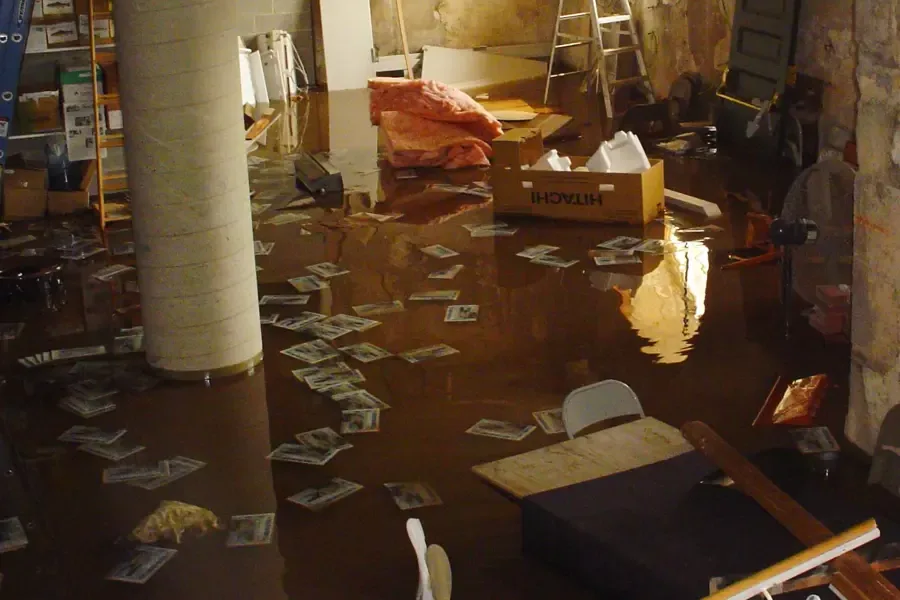
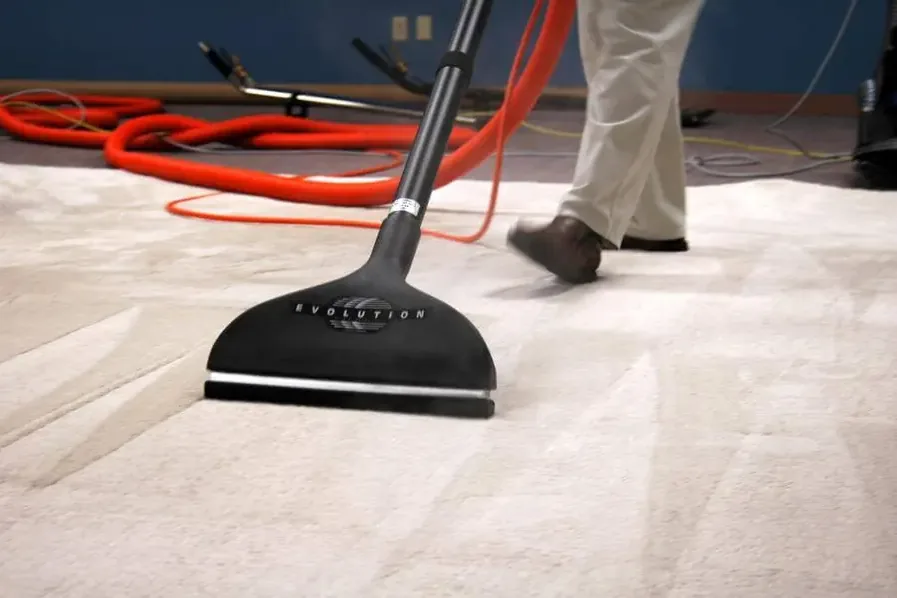
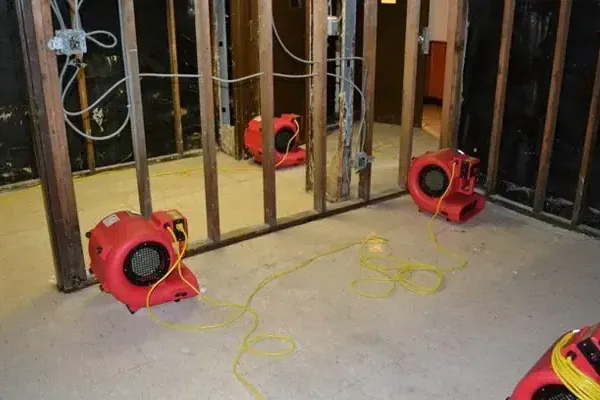
Related water damage services in Jenkintown
Sewage Cleanup questions
Can occupants stay in a room with a sewage backup?
They should remain outside the affected area. Sewage can contain harmful contaminants, and walking through it can spread residue into clean parts of the property.
Should fans run before cleanup?
Household fans can move contaminated droplets or debris beyond the original area. Extraction, removal, cleaning, and controlled drying should follow a planned sequence.
What porous materials may need removal?
Carpet padding, saturated fiber products, and inaccessible porous finishes often cannot be effectively cleaned after sewage contact. Technicians assess each material and record the decision.
Who fixes the drain or pipe problem?
A qualified plumbing or drain professional handles blockage or pipe repair. The restoration crew manages containment, waste removal, surface cleaning, damaged material, and drying.
Does a sewer lateral video determine insurance coverage?
No. It may help investigate a drainage issue, but the policy and insurer determine coverage. The mitigation record should describe observed conditions without assigning ownership.
How is the cleaned area dried?
After contamination is removed and retained surfaces are cleaned, controlled air movement and dehumidification address structural moisture. Technicians verify progress with repeated readings.
Where is sewage cleanup available?
Service includes York Road, Greenwood Avenue, Walnut Street, and properties throughout Jenkintown. The actual affected boundary controls the response.
Keep the sewage boundary from spreading through the property
Protected technicians establish containment, remove waste, clean retained surfaces, and document the structural drying that follows.