Water Heater Failure Cleanup in Jenkintown, PA
Heater replacement creates a brief opportunity to inspect the hidden footprint, extract escaped water, and verify the surrounding floor before new equipment covers it.
(888) 557-1733Assess a heater water loss- Utility safety
- Floor water removal
- Perimeter drying
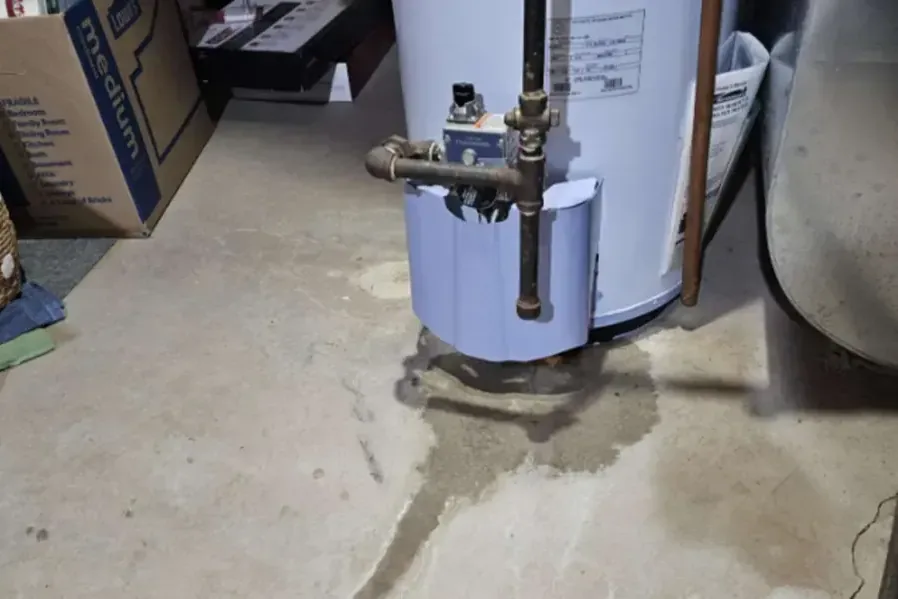
What to do the moment you find a failed water heater in Jenkintown
- 1Stay clear of wet controls
Do not touch gas controls, electrical switches, plugs, panels, or the appliance while standing in water.
- 2Control the supply safely
Use a known accessible valve only when conditions permit and contact the proper plumbing or utility professional.
- 3Move dry storage outward
Protect unaffected portable items before water reaches them or appliance work blocks the removal path.
- 4Photograph before replacement
Record the heater, connections, pan, floor boundary, wall edges, and adjoining rooms before equipment moves.
How the crew handles a failed water heater
- AMake the appliance area safe
Qualified trades manage utilities and plumbing while the original water boundary is preserved.
- BExtract beyond the footprint
Liquid removal and moisture checks extend beneath edges, through thresholds, and around stored items.
- COpen restricted spaces carefully
After appliance access is available, platforms, cabinets, walls, and flooring receive separate decisions.
- DVerify before new finishes
Closing photographs and comparisons document dry retained materials before repair conceals the utility area.
The interval between removing a leaking heater and installing its replacement gives technicians a chance to examine surfaces normally hidden by the tank. That opportunity matters in Jenkintown, where more than 60 percent of houses were built before 1939. Existing floor layers and later alterations need individual inspection. A new appliance can restore hot water while leaving an older platform, enclosing partition, or floor seam damp underneath.
What does water heater failure cleanup cost in Jenkintown, PA?
A heater release in Jenkintown may need $1,500 to $9,000 of building cleanup. Access beneath the vessel, saturated platform materials, and water beyond the utility room influence recovery costs independently of appliance replacement.
Contained area
$1,500 to $3,674
- Contained heater area
- Open-floor extraction
- Perimeter moisture checks
Several rooms
$3,674 to $6,825
- Water beyond utility room
- Storage handling work
- Several equipment placements
Complex loss
$6,825 to $9,000+
- Hidden platform saturation
- Cabinet or wall access
- Extended material monitoring
Drivers: the water category, the square footage, the material class and how fast drying started. For a planning range, try the water damage cost calculator.
How the team handles a failed water heater in Jenkintown
- 1
Moisture mapping
The tech who does the walkthrough maps wet materials with thermal imaging and pinless meters first.
- 2
Extraction
The extraction crew pulls standing water out with truck-mounted extraction, so it leaves the building.
- 3
Air movers and LGR
Air movers are set to each room's evaporation load; LGR dehumidifiers pull the moisture from the air.
- 4
Dry verification
Crews log readings daily and pull equipment once wet material is within 2 to 4 points of a dry reference.
Describe the source, wet rooms, and any immediate safety concerns.
(888) 557-1733Request an appliance loss assessmentPreserve clues before the tank leaves
A photograph of the whole installation shows more than a close view of a leaking fitting. It records the drain pan, nearby storage, surrounding walls, and the direction of water on the floor. The plumbing professional identifies the failed component and arranges safe isolation. Occupants stay away from wet gas or electrical controls. Restoration staff can then distinguish water beneath the appliance from moisture that has already crossed the doorway.
- Record which surfaces were hidden when the leak was discovered.
- Identify any belongings that must move before appliance removal.
- Keep utility isolation and extraction activities separately documented.
Follow the release into adjoining occupancy
Apartments above commercial space at York Road and West Avenue make access coordination a practical consideration. If a heater serves an upper residence, the assessment may need permission to inspect the ceiling below. This is a conditional inspection step, not a claim that a particular building has leaked. Near Town Square, the same survey would follow the actual installation and room connections. Water caught in a pan does not account for liquid that escaped through its rim or around a penetration.
Plan recovery from the exposed footprint
Once the vessel can safely move, technicians inspect its support and the surfaces behind it. Swollen wood, loosened flooring, wet insulation, and sound washable surfaces require different decisions. Extraction addresses reachable liquid first. A damp platform may need access from an edge or underside; a damaged component may require removal. Any opening should answer a specific question about retained moisture rather than simply enlarge the working space.
- Compare the tank footprint with an unaffected floor section.
- Inspect enclosing walls from both accessible sides.
- Keep the appliance replacement route clear of drying equipment.
Agree on the installation handoff
The plumber and restoration coordinator need a clear account of which surfaces are ready and which still need drying. Airflow must reach retained damp edges, with dehumidification collecting the moisture they release. Marked readings show progress beneath the former appliance position as well as outside the utility area. Replacement finishes should wait until their substrate meets the appropriate target.
Jenkintown requires a permit and riser diagram when plumbing fixtures, supply, drainage, or venting are relocated, reconfigured, or added. The plumbing trade determines the applicable work requirements. The recovery file records the original footprint, extraction, material decisions, and closing measurements. Explore water removal from floors for escaped liquid beyond the installation. Examine drying verification for the retained building materials. This handoff allows appliance work and moisture recovery to proceed with clearly documented responsibilities.
Water Heater Failure Cleanup coverage in Jenkintown
Heater-loss assessments extend across Jenkintown, including properties around York Road, West Avenue, and Town Square. A utility closet, upper apartment, or separate equipment room receives an inspection suited to its actual connections and access.
Related water damage services in Jenkintown
Water Heater Failure Cleanup questions
Why photograph a heater that is being discarded?
Its position can explain which floor and wall surfaces were inaccessible at discovery. A wide view also preserves the pan arrangement and the water route before replacement work changes the room.
Does water inside the pan define the cleanup area?
The rim, drain connection, and surrounding penetrations all need inspection. Overflow may have escaped before the remaining water became visible, so the survey includes adjoining seams and doorway edges.
What happens when the tank stands on a platform?
The support is examined after safe appliance access is arranged. Its underside and adjoining finish may hold moisture even when the top looks clear. Strength and drying access affect whether it can remain.
Could an upstairs heater affect commercial space below?
Apartments above commercial space exist near York Road and West Avenue. Where the installation and moisture path connect levels, access to the lower ceiling helps establish the extent without assuming every unit is affected.
When can new flooring cover the equipment area?
The exposed substrate needs an appropriate moisture check before enclosure. Covering a damp layer can restrict evaporation and make later assessment harder, even after the leaking heater has been replaced.
Who decides whether plumbing permits are needed?
The plumbing professional reviews the proposed changes. Borough requirements include a permit and riser diagram for relocated, reconfigured, or added fixtures, supply, drainage, or venting. Cleanup records describe the resulting water damage separately.
What should the final handoff identify?
It should name the recovered floor areas, retained supports, removed finishes, and moisture results. Appliance installation status belongs alongside those records so the property contact can distinguish restored hot water from completed building drying.
Document the equipment area before replacement changes the scene
Technicians extract escaped water, inspect tight perimeter spaces, and verify dry materials while the proper trade handles the heater.