Sewage Cleanup in Springfield Township, PA
A sewage backup calls for restricted access, contamination controls, careful waste handling, and documented decisions about every contacted porous and nonporous material.
(888) 557-1733Arrange a sewage assessment- Restricted work zone
- Controlled material removal
- Cleaning verification
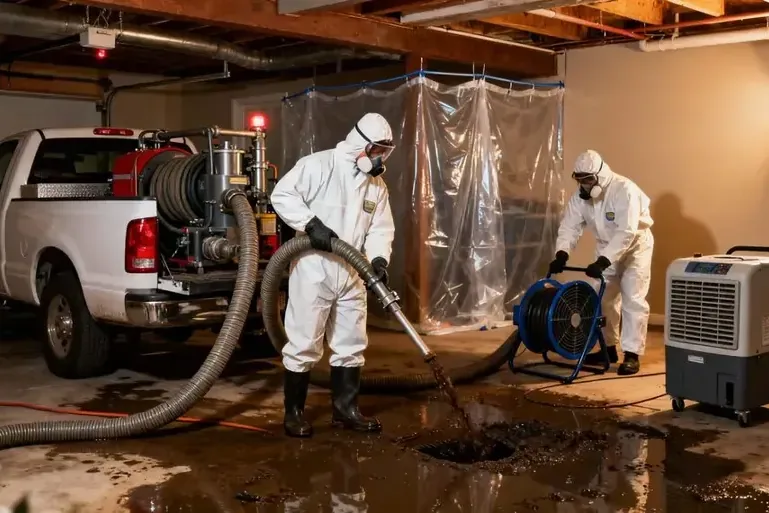
What to do the moment you find a sewage backup in Springfield Township
- 1Block access
Keep people and pets away from the affected room, nearby contents, and any path where contaminated water may have been tracked.
- 2Avoid contact
Do not use household vacuums, fans, mops, or unprotected hands on sewage water or materials that received direct exposure.
- 3Stop repeat flow
Contact the proper drain or plumbing provider to address the active backup without treating restoration as the source repair.
- 4Document from safety
Photograph the room boundary and visible source clues only when this can be done without stepping into or disturbing contaminated material.
How the crew handles a sewage backup
- AIsolate
A controlled work boundary, access route, and clean staging area reduce transfer into unaffected parts of the property.
- BRemove
Liquid, solid contamination, and unsafe porous materials are extracted, contained, and moved according to the observed exposure.
- CClean
Remaining stable surfaces receive detailed cleaning while tools and protective practices stay tied to the contaminated zone.
- DDry and record
After cleaning, moisture measurements direct structural drying and support a file of surfaces, removals, equipment, and completion readings.
Sewage water can expose occupants and spread through footwear, tools, pets, and porous contents. A release in a Flourtown property or a shared building near Church Road should be isolated before ordinary cleanup begins. A plumbing provider identifies the failed drain or fixture and addresses the source. The restoration crew records contaminated surfaces, establishes a clean exit route, and prepares the affected area for controlled removal.
What does sewage cleanup cost in Springfield Township, PA?
Cost follows contaminated area, depth, access, porous material exposure, contents handling, containment, disposal, surface cleaning, and the structural drying left after removal. Waste routing and clean staging areas also affect labor.
Contained area
$3,500 to $7,524
- Controlled single zone
- Extraction and cleaning
- Focused material removal
Several rooms
$7,524 to $13,975
- Broader containment
- Expanded disposal scope
- Multiple cleaning areas
Complex loss
$13,975 to $18,000+
- Extensive contamination
- Difficult access paths
- Large structural dry-out
Drivers: the water category, the square footage, the material class and how fast drying started. For a planning range, try the water damage cost calculator.
How the team handles a sewage backup in Springfield Township
- 1
Moisture mapping
The tech who does the walkthrough maps wet materials with thermal imaging and pinless meters first.
- 2
Extraction
The extraction crew pulls standing water out with truck-mounted extraction, so it leaves the building.
- 3
Air movers and LGR
Air movers are set to each room's evaporation load; LGR dehumidifiers pull the moisture from the air.
- 4
Dry verification
Crews log readings daily and pull equipment once wet material is within 2 to 4 points of a dry reference.
Describe the source, wet rooms, and any immediate safety concerns.
(888) 557-1733Arrange a contamination assessmentContainment starts at the room boundary
The response team establishes a controlled path, limits entry, and identifies surfaces that may have received direct contact or splash. Clean rooms are protected before equipment and waste move. The source must be stopped or cleared before restoration can proceed without repeated contamination.
- Occupants and pets remain outside the affected space.
- Heating or cooling changes are considered if they could spread contaminated air.
- Workers use protection suited to the observed exposure.
- Photographs document the starting boundary without unnecessary handling.
Material choices differ from clean-water work
Porous materials that absorbed sewage often cannot be reliably cleaned in place. The crew evaluates flooring, wall finishes, insulation, contents, and concealed layers according to contact and condition. Nonporous surfaces may allow controlled cleaning after gross contamination is removed. Every removal decision is documented rather than based only on odor or appearance.
Waste is contained before it travels through the property. Tools used inside the work zone remain managed so they do not transfer residue into dry areas. In Wyndmoor, Oreland, or Laverock, these procedures follow the actual room layout and access, not assumptions tied to the community name.
Cleaning comes before structural drying
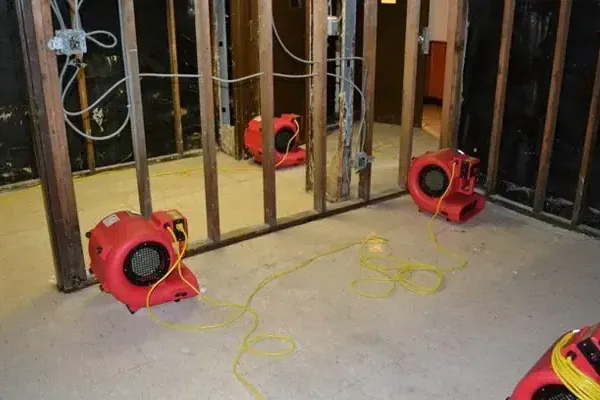
Extraction reduces liquid, but drying contaminated residue is not an acceptable substitute for removal and cleaning. Once affected materials are resolved and surfaces are cleaned, moisture readings define what stable structure still needs drying. Air management supports the contained plan and is adjusted as material conditions change.
- Wet boundaries are marked after contaminated material is removed.
- Cleaning records identify surfaces addressed.
- Equipment placement avoids uncontrolled airflow to occupied areas.
- Final readings document the remaining structural materials.
Documentation without a coverage promise
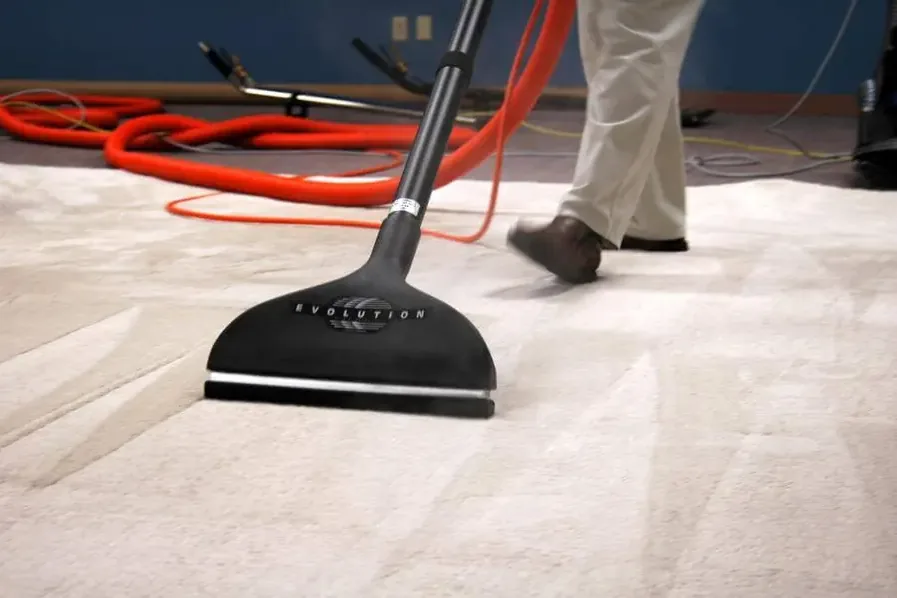
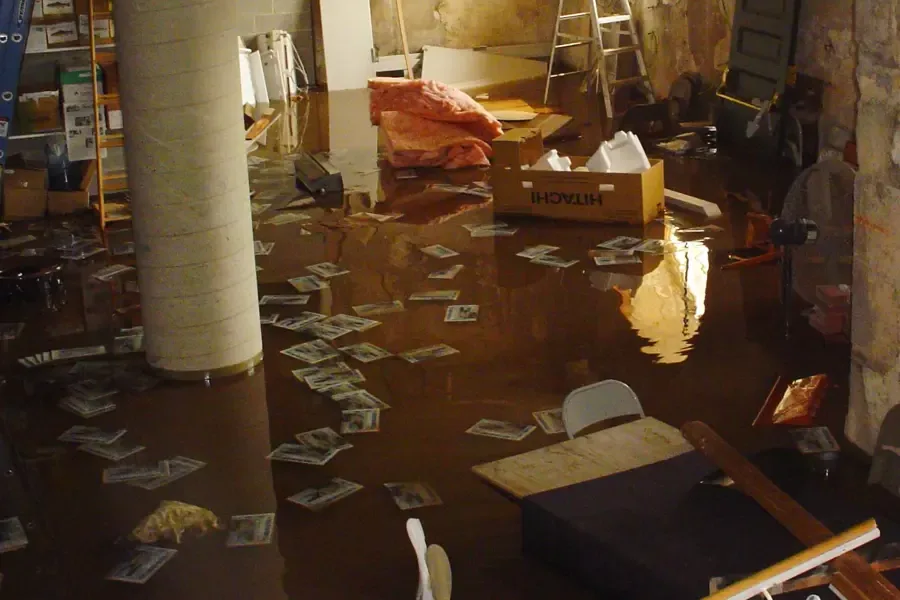
The file can separate drain or plumbing correction from sewage cleanup work, material removal, cleaning, and drying. Photographs and measurements help describe the event, but the carrier applies policy terms. The Springfield Township service hub lists extraction and structural drying services that may support connected work after contamination controls are complete.
Clean staging surfaces and exit routes are inspected before containment is removed, helping keep contaminated handling separate from restored and occupied portions of the property.
Sewage Cleanup coverage in Springfield Township
Sewage cleanup is available in Flourtown, Wyndmoor, Oreland, Laverock, and areas near Church Road, with containment and routing adapted to the actual occupied property. Clean staging and waste routes are planned for each property.
Related water damage services in Springfield Township
Questions about contaminated water cleanup
Can occupants clean a small sewage spill themselves?
Direct contact can spread contamination. Restrict the area and seek an assessment when sewage reaches porous materials, multiple surfaces, concealed spaces, or electrically unsafe locations.
Should fans be placed in the affected room?
Ordinary fans can move contaminated particles beyond the work zone. Air movement should be part of a controlled cleanup plan after exposure and boundaries are assessed.
Why are porous materials often removed?
Absorbent materials can retain contamination below the surface where cleaning cannot be verified. Exposure, depth, duration, and physical condition shape each decision.
Does restoration include clearing the drain?
No. A qualified drain or plumbing provider corrects the backup source. Restoration handles containment, extraction, material removal, cleaning, drying, and documentation.
What happens to exposed belongings?
Items are inventoried by material and contact. Some hard goods may permit controlled cleaning, while heavily exposed porous contents may require disposal.
How is the work area released?
The crew completes removal and cleaning, verifies that remaining materials meet drying targets, and documents the addressed surfaces and work-zone condition.
Will an insurance policy pay for sewage cleanup?
Policy language, cause, endorsements, and carrier assessment determine coverage. A detailed record supports discussion but cannot promise a claim decision. The documented boundary supports that decision.
Control the boundary before cleanup starts
Sewage work needs source correction, contained removal, careful cleaning, and documented drying of the materials that remain.