Water Extraction in Springfield Township, PA
Pooled water is removed by zone while the crew protects dry rooms, measures concealed edges, and records what each affected material needs afterward.
(888) 557-1733Arrange a measured extraction- Source assessment
- Wet boundary mapping
- Extraction by zone
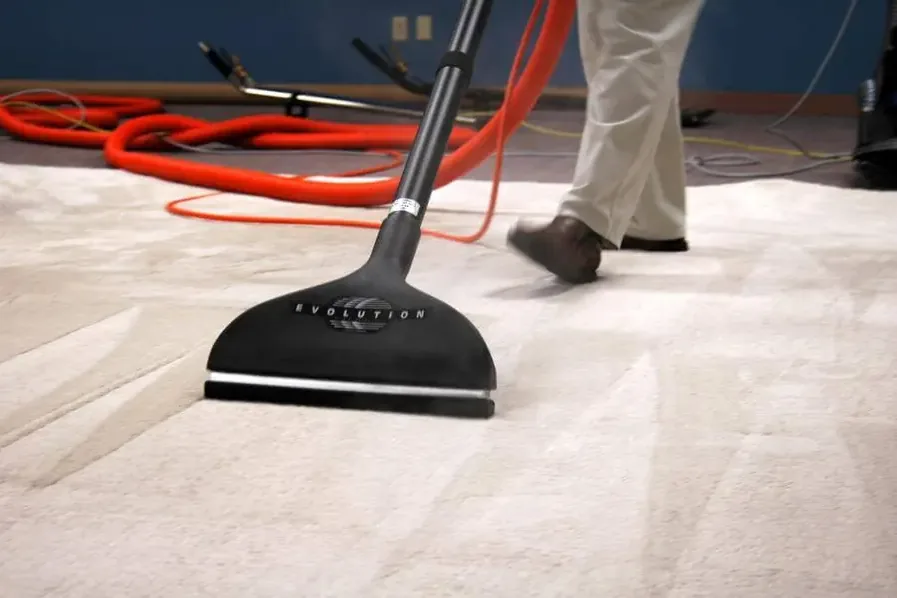
What to do the moment you find standing water in Springfield Township
- 1Keep clear of hazards
Do not enter pooled water near electrical equipment, sagging finishes, or visible contamination. Restrict access until those conditions are assessed.
- 2Stop active flow safely
Use a reachable shutoff only when the approach is dry and stable. Otherwise contact the appropriate utility or plumbing provider.
- 3Capture the starting condition
Take broad room photographs and close views of the source, water edge, damaged contents, and floor transitions before movement begins.
- 4Protect unaffected rooms
Move dry portable items away from the boundary and avoid carrying wet footwear or equipment through clean spaces.
How the crew handles standing water
- ASurvey
The technician identifies the release point, contamination concerns, wet surfaces, and safe paths for equipment.
- BExtract
Suitable tools remove liquid from accessible flooring, edges, cavities, and contents without spreading it into dry zones.
- CCondition
Air movers and dehumidification are placed from the moisture map, then adjusted as evaporation and humidity change.
- DClose out
Final readings are compared with dry reference materials and organized with photographs and equipment notes.
Standing water in a Wyndmoor residence or a shared property near Oreland station can cross doorways, settle beneath finishes, and reach contents before the visible pool seems large. Extraction begins by identifying where water entered, whether it remains active, and which rooms can be kept dry. The water extraction overview explains the broader service, while this local scope focuses on properties throughout the township.
What does water extraction & removal cost in Springfield Township, PA?
Price reflects water depth, affected area, surface type, access, contamination, extraction method, and the drying zones established after the initial moisture survey. Property access and contents handling also affect the written scope.
Contained area
$1,000 to $2,450
- Single work zone
- Extraction and mapping
- Standard drying setup
Several rooms
$2,450 to $4,550
- Expanded material checks
- Multiple equipment zones
- Ongoing moisture records
Complex loss
$4,550 to $6,000+
- Difficult access
- Selective material removal
- Extended environmental control
Drivers: the water category, the square footage, the material class and how fast drying started. For a planning range, try the water damage cost calculator.
How the team handles standing water in Springfield Township
- 1
Moisture mapping
The tech who does the walkthrough maps wet materials with thermal imaging and pinless meters first.
- 2
Extraction
The extraction crew pulls standing water out with truck-mounted extraction, so it leaves the building.
- 3
Air movers and LGR
Air movers are set to each room's evaporation load; LGR dehumidifiers pull the moisture from the air.
- 4
Dry verification
Crews log readings daily and pull equipment once wet material is within 2 to 4 points of a dry reference.
Describe the source, wet rooms, and any immediate safety concerns.
(888) 557-1733Request an extraction surveyThe water path sets the work order
A technician surveys the source room first, then follows edges into adjoining spaces. In Flourtown, Erdenheim, or Laverock, the building type is never presumed from the area name. Surface readings, construction openings already present, and inspection of transitions show whether water stayed on top or moved beneath a finish.
- Photographs establish the starting condition and room relationships.
- Moisture readings mark affected and comparison points.
- Contents are moved only when doing so avoids added damage or contamination.
- Electrical concerns are isolated before powered extraction starts.
Bulk removal comes before balanced drying
Portable or truck-mounted equipment removes accessible liquid according to depth, access, and the surface involved. The extraction crew works from controlled areas toward wetter sections so foot traffic does not spread water. Edges near cabinets, partitions, and floor transitions receive separate attention because a dry-looking face may conceal a damp layer.
After bulk removal, the team reassesses every marked point. Materials that remain stable and appropriately clean may enter a drying plan. Items that are physically damaged, contaminated, or unable to release moisture safely require a different decision. Extraction and demolition are not treated as the same task.
Readings direct equipment changes
Air movement and dehumidification address evaporation after liquid water is reduced. Placement reflects the actual moisture map, not a standard room count. Daily results may support moving equipment, opening limited access, or ending treatment in one zone while another continues.
- Dry reference readings provide a target appropriate to the property.
- Temperature and humidity help explain how the drying environment performs.
- Equipment notes connect each device to a defined wet zone.
- Final measurements document the condition before the work area is released.
A record that separates each part of the loss
Source repair, extraction, material handling, and drying should remain distinct in the file. That separation helps an owner understand the scope and gives an insurer concrete records without implying a coverage result. For related options, the township cleanup hub organizes services by water source.
The closing survey also checks protected room edges so the documented boundary reflects both wet and unaffected materials before equipment placement is finalized.
Water Extraction and Removal coverage in Springfield Township
Extraction service reaches Wyndmoor, Erdenheim, Flourtown, Oreland, and the township areas near Church Road, with equipment planned around each property's access and measured wet boundary. Service plans also account for occupied rooms and protected contents.
Related water damage services in Springfield Township
Questions about water removal
Should standing water be vacuumed before an inspection?
Only use household equipment when the water is clean, electricity is safely controlled, and conditions are stable. Deep, contaminated, or widespread water needs professional assessment.
Why does the crew measure outside the visible puddle?
Liquid can move under flooring, along seams, and into wall bases. Comparison readings reveal the actual boundary and prevent equipment from serving only what can be seen.
Is extraction the same as structural drying?
No. Extraction removes accessible liquid. Structural drying manages moisture held in materials and air, using equipment placement and repeat measurements after bulk water is gone.
Will every wet finish be removed?
Not automatically. Material condition, contamination, delamination, access, and drying response determine whether an item can remain or needs selective removal.
What happens to furniture in the work area?
Movable contents may be relocated, blocked, or isolated according to weight, condition, and contamination. The team documents changes so room setup remains traceable.
How long does water extraction take?
The liquid-removal phase depends on depth, area, surface, and access. Drying continues according to measured progress, so a fixed duration would not describe every property.
Which records are created during the work?
Typical records include starting photographs, a moisture map, extraction notes, equipment placement, daily readings, material decisions, and measurements supporting completion. Records are organized by room and material.
Reduce standing water before it reaches more materials
A mapped extraction keeps removal, material assessment, and the drying plan connected to observed conditions.