Sump Pump Failure Cleanup in Springfield Township, PA
Where a sump system is present, cleanup distinguishes pump trouble from the incoming water source and measures how far moisture moved through the lower area.
(888) 557-1733Assess the pump overflow- Pump-area inspection
- Water source assessment
- Measured dry-out
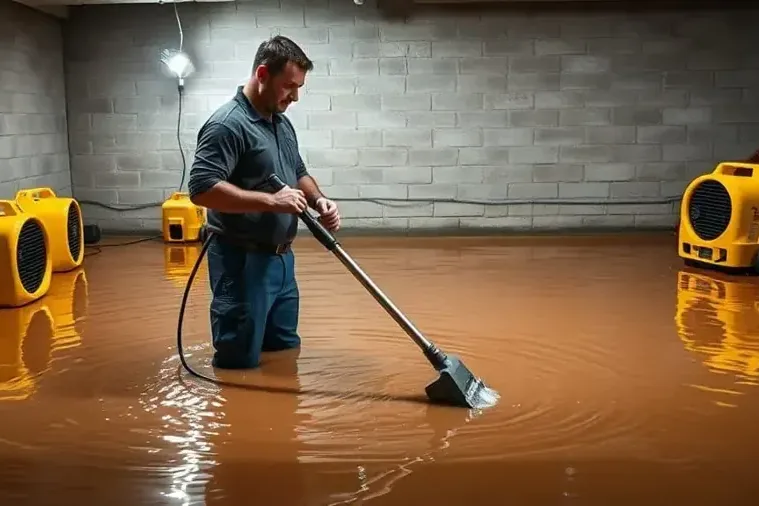
What to do the moment you find a failed sump pump in Springfield Township
- 1Keep hands out of the pit
Do not touch the pump, switch, plug, or nearby electrical equipment while the floor is wet or the power condition is uncertain.
- 2Watch from a safe point
Note whether water is rising, stable, or receding and whether an alarm sounds, without entering contaminated or electrically unsafe water.
- 3Limit movement downstairs
Prevent occupants, pets, and movable belongings from crossing the wet boundary or carrying water into dry rooms.
- 4Photograph useful clues
Record the pit, visible equipment, water edge, wall bases, and affected contents before repair or extraction changes the scene.
How the crew handles a failed sump pump
- AConfirm the condition
The opening inspection verifies a sump system, evaluates access, and distinguishes equipment trouble from the water source feeding the area.
- BRemove overflow
Extraction proceeds from stable paths, addressing pooled water while reducing transfer into unaffected rooms and contents.
- CTreat affected materials
Finishes and belongings are cleaned, removed, isolated, or dried according to exposure, contamination, physical damage, and accessibility.
- DMeasure progress
Mapped points, humidity data, equipment notes, and dry references establish when the remaining materials no longer need active drying.
Sump overflow cleanup begins at the basin and follows the water across the affected floor. The inspection checks the installed pump, continuing inflow, and the path into nearby storage or finished areas. Around North Hills, Wyndmoor, or Erdenheim, the crew still starts with the specific pit, power condition, discharge arrangement, and water source before selecting removal equipment.
What does sump pump failure cleanup cost in Springfield Township, PA?
Pricing depends on overflow area, water source, contamination, access to the pit, affected finishes, contents handling, extraction needs, and the measured drying scope. Pit access and remaining inflow can change the work plan.
Contained area
$1,500 to $3,500
- Pump-area water removal
- Focused material checks
- Compact drying zone
Several rooms
$3,500 to $6,500
- Expanded extraction
- Contents coordination
- Several measurement areas
Complex loss
$6,500 to $8,500+
- Contamination controls
- Selective finish removal
- Extended moisture management
Drivers: the water category, the square footage, the material class and how fast drying started. For a planning range, try the water damage cost calculator.
How the team handles a failed sump pump in Springfield Township
- 1
Moisture mapping
The tech who does the walkthrough maps wet materials with thermal imaging and pinless meters first.
- 2
Extraction
The extraction crew pulls standing water out with truck-mounted extraction, so it leaves the building.
- 3
Air movers and LGR
Air movers are set to each room's evaporation load; LGR dehumidifiers pull the moisture from the air.
- 4
Dry verification
Crews log readings daily and pull equipment once wet material is within 2 to 4 points of a dry reference.
Describe the source, wet rooms, and any immediate safety concerns.
(888) 557-1733Request a pump-area surveyThe pump and the water are separate questions
A pump may stop because of power loss, a switch issue, obstruction, capacity, discharge trouble, or equipment failure. Cleanup technicians document what is visible but do not substitute for pump or electrical repair. At the same time, they classify the water reaching the area. Rain-related seepage, clean supply water, and sewage each require different handling.
- Do not reach into a wet pit or touch powered equipment.
- Keep extension cords and ordinary vacuums away from standing water.
- Note alarms, sounds, and visible discharge without dismantling the unit.
- Photograph the pit area and the farthest visible water edge.
Extraction protects the rest of the lower level
Water is removed in sections, with travel paths chosen to keep wet tools and footwear away from unaffected areas. The restoration team checks floor edges, wall bases, stored contents, and transitions into adjoining rooms. A small pool around the pit may conceal a broader damp boundary beneath a finish.
Items touching the water are grouped by exposure and material. Clean hard contents may allow surface cleaning and drying. Porous items affected by contaminated water call for more conservative decisions. Heavy storage is moved only through a planned route that protects workers and dry finishes.
Drying responds to the measured remainder
Once bulk water is gone, moisture readings show what the pump-out did not solve. Air movers support evaporation from stable wet materials, while dehumidification manages released vapor. Placement changes as readings fall, so equipment is not left in one arrangement by habit.
- Reference points establish the local dry condition.
- Marked readings make the moisture boundary repeatable.
- Humidity and material trends direct adjustments.
- Completion records identify the areas checked.
Sump overflow cleanup across Springfield Township
Cleanup reaches properties near Oreland station, Church Road, and Flourtown, with the equipment plan shaped by the wet floor area and access to the sump. The sump pump cleanup overview covers the service generally. The local water damage hub lists related extraction, sewage, storm, and drying options if inspection finds another source or a wider scope.
The pit surroundings are rechecked after extraction so residual seepage, newly visible damage, or a continuing inflow can be distinguished from retained material moisture.
Sump Pump Failure Cleanup coverage in Springfield Township
Pump overflow cleanup serves Wyndmoor, North Hills, Erdenheim, Flourtown, and areas near Oreland station. The crew checks the sump area, maps the spread, and dries affected lower-level materials. The plan also protects dry routes through occupied spaces.
Related water damage services in Springfield Township
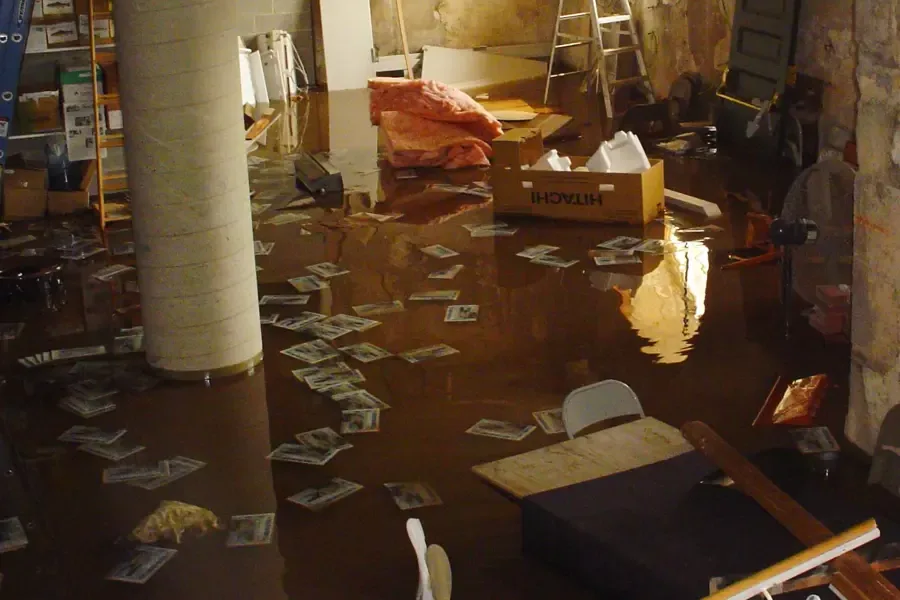
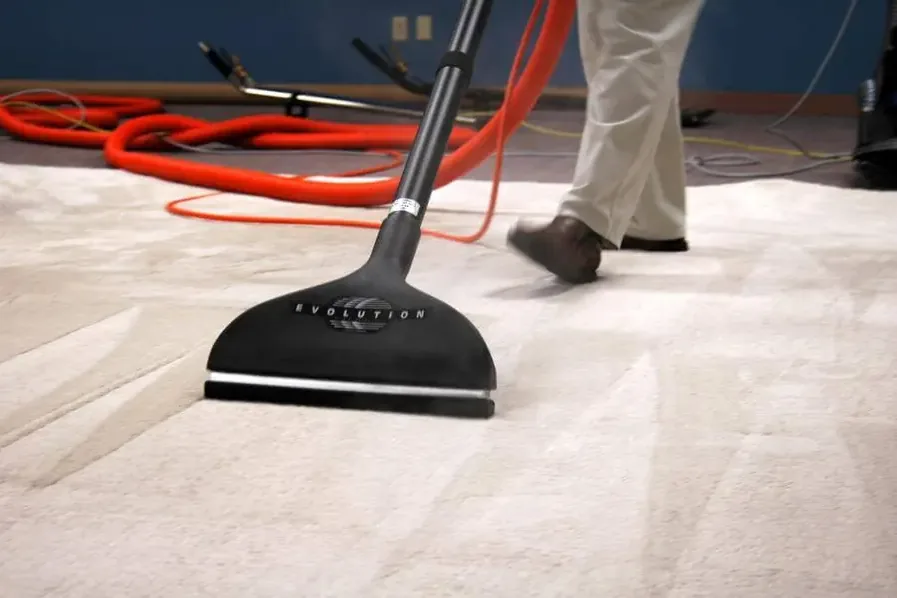
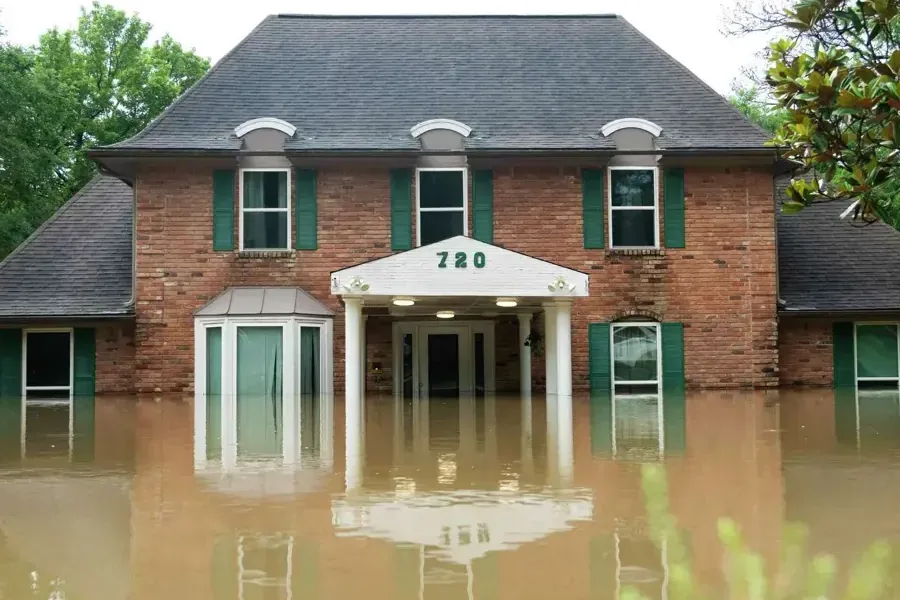
Questions after a pump overflow
Does water near a pit prove the pump failed?
No. Inspection must confirm the installed system, operating condition, incoming source, and water path. Another leak or drain event may produce a similar wet area.
Should the pump be unplugged after an overflow?
Do not touch plugs or equipment from a wet surface. Electrical and pump conditions should be made safe by the appropriate qualified provider before handling.
Can the restoration crew replace the pump?
The cleanup scope covers extraction, cleaning, material decisions, drying, and documentation. Pump replacement or electrical correction belongs to the appropriate repair trade.
How is contaminated water handled?
The work area is isolated, protective practices increase, and affected porous materials receive conservative evaluation. Water classification is based on the actual source and exposure.
Why are adjoining rooms checked?
Water can follow floor transitions and settle beneath finishes beyond the visible edge. Readings in nearby areas show whether the cleanup boundary needs expansion.
Can stored belongings remain in place?
Dry contents may stay in a protected zone when access permits. Wet or exposed items require documented sorting, cleaning, drying, relocation, or disposal decisions.
What helps prevent another unnoticed overflow?
After repair, an owner can discuss alarms, maintenance, power backup, and discharge checks with the pump provider. Those measures remain separate from restoration work. Maintenance remains a repair-provider matter.
Map the overflow beyond the pit
Cleanup should address the incoming water, affected materials, and drying needs while repair stays with the proper trade.