Storm Water Damage Cleanup in Springfield Township, PA
Storm-related water can arrive through several openings, so cleanup maps the interior path, distinguishes contamination, and keeps building repair separate from measured drying.
(888) 557-1733Trace the storm entry- Entry-path assessment
- Weather-water controls
- Interior moisture tracking
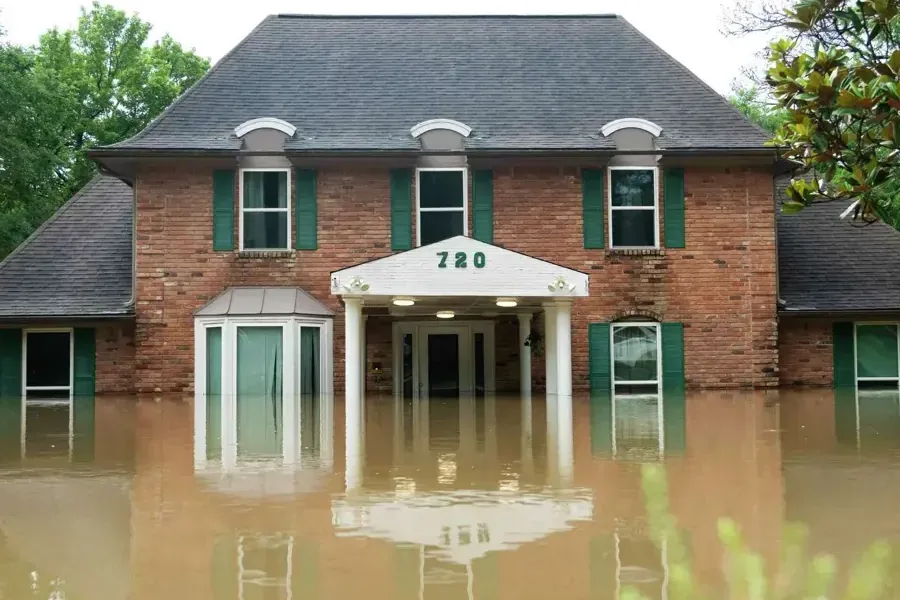
What to do the moment you find storm water indoors in Springfield Township
- 1Avoid unstable areas
Stay clear of sagging ceilings, wet electrical components, broken glazing, loose exterior materials, and rooms receiving active water.
- 2Reduce additional entry safely
Use only accessible temporary measures that do not require climbing, entering water, or approaching damaged building elements during unsafe conditions.
- 3Photograph the route
Capture overhead stains, wall paths, floor pooling, window or door areas, and adjoining dry rooms before cleanup changes the pattern.
- 4Protect clean contents
Move dry portable belongings away from the advancing edge while leaving wet or contaminated items for documented handling.
How the crew handles storm water indoors
- ATrace
Technicians connect visible staining, meter readings, room transitions, and accessible openings to define the interior path without guessing at the exterior cause.
- BStabilize
Standing water is extracted, unsafe zones are isolated, and affected materials are evaluated after ongoing entry is controlled.
- CPrepare
Damaged or contaminated components receive documented removal, while stable materials are cleaned and arranged for focused drying.
- DMonitor
Equipment and access decisions change with repeated measurements until retained materials meet defensible dry targets.
Heavy rain can coincide with roof entry, wall leakage, window intrusion, surface runoff, or a separate plumbing event. It does not identify the cause by itself. For properties near Oreland station, Springfield Mill, or the Fort Washington Expressway, the cleanup team follows staining, damp transitions, meter readings, and visible openings to build an interior moisture path.
What does storm water damage cleanup cost in Springfield Township, PA?
Price varies with entry route, affected rooms, contamination, overhead access, finish removal, contents, extraction, cleaning, and the number of monitored drying zones. Overhead protection and entry control can change the scope.
Contained area
$2,500 to $6,475
- Focused entry path
- Limited material access
- Single drying section
Several rooms
$6,475 to $12,025
- Connected moisture routes
- Broader finish work
- Multiple equipment areas
Complex loss
$12,025 to $16,000+
- Extensive storm exposure
- Difficult cavity access
- Longer monitoring scope
Drivers: the water category, the square footage, the material class and how fast drying started. For a planning range, try the water damage cost calculator.
How the team handles storm water indoors in Springfield Township
- 1
Moisture mapping
The tech who does the walkthrough maps wet materials with thermal imaging and pinless meters first.
- 2
Extraction
The extraction crew pulls standing water out with truck-mounted extraction, so it leaves the building.
- 3
Air movers and LGR
Air movers are set to each room's evaporation load; LGR dehumidifiers pull the moisture from the air.
- 4
Dry verification
Crews log readings daily and pull equipment once wet material is within 2 to 4 points of a dry reference.
Describe the source, wet rooms, and any immediate safety concerns.
(888) 557-1733Request an entry-path assessmentThe loss is mapped from the inside out
The first survey documents where water is visible, which rooms connect, and whether electricity or unstable finishes restrict access. Overhead staining, wet wall bases, and floor-level pooling are treated as different clues. If outside water crossed the ground, contamination controls increase. If rain entered from above, the exterior defect still requires separate evaluation.
- Photograph each room before moving wet contents.
- Mark the farthest damp point found with instruments.
- Protect dry openings used for equipment access.
- Do not assume one entry point explains every wet area.
Stabilization follows the confirmed route
Active entry must stop before permanent interior progress is possible. Temporary protection or repair is coordinated with the appropriate building trade. Restoration then removes standing water, isolates contaminated sections, and opens access only where material condition and readings support it.
Near Church Road, Wyndmoor, and Flourtown, no roof type or drainage feature is assigned by location. The crew records the actual assembly encountered. Wet insulation, finish layers, trim, and flooring each receive a decision based on exposure, stability, and the ability to clean or dry them.
Drying zones reflect different water paths
Rain from above may create a narrow cavity path before spreading across a lower surface. Runoff at floor level may affect a broad edge first. Air movement and dehumidification are arranged around those measured patterns. Monitoring determines whether a cavity needs added access or whether one area can finish before another.
- Environmental readings show whether vapor is being removed effectively.
- Material points are checked consistently across visits.
- Equipment is redirected when the wet boundary contracts.
- Final measurements document retained materials, not repaired exterior components.
A clear division of responsibilities
Storm cleanup records should distinguish emergency protection, exterior correction, extraction, material removal, cleaning, drying, and reconstruction. This prevents unlike tasks from being blended in an estimate or claim discussion. See storm cleanup details for the main service or compare source-specific options on the Springfield Township hub.
Interior photographs taken after stabilization provide a second comparison with the original entry pattern and help distinguish completed mitigation from exterior repairs still pending. New rain during the job receives its own date in the record. The team compares any fresh marks with the earlier moisture map, then adjusts protection or drying access where the water path has changed.
Storm Water Damage Cleanup coverage in Springfield Township
Storm cleanup reaches Oreland, Wyndmoor, Flourtown, Erdenheim, and properties near Church Road, with the entry path established from site evidence rather than area assumptions. Each plan also protects dry rooms and occupied access routes.
Related water damage services in Springfield Township
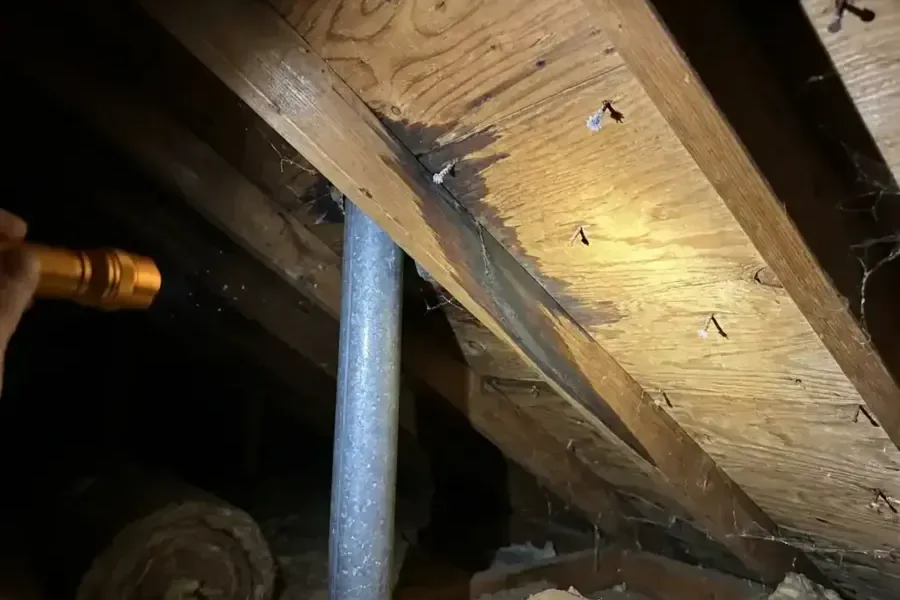
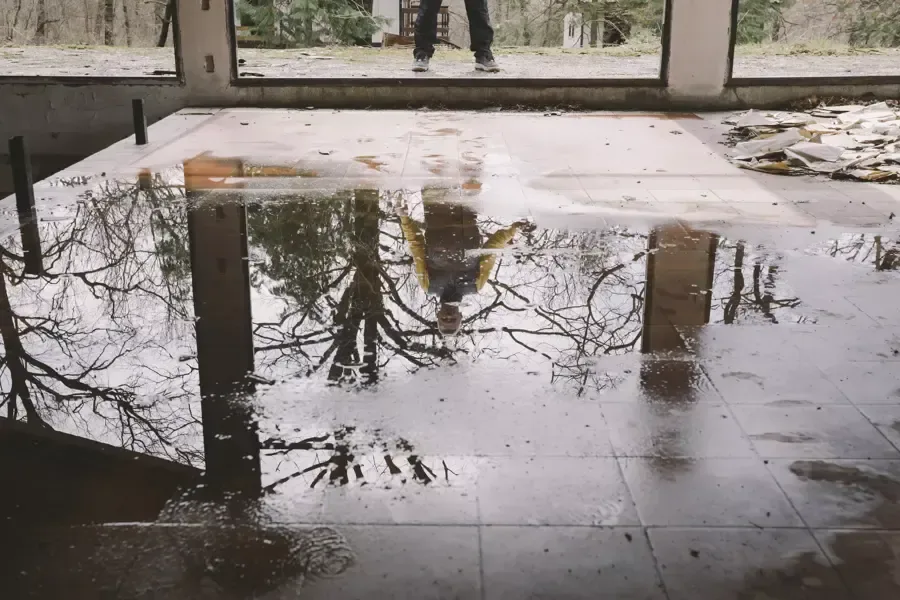
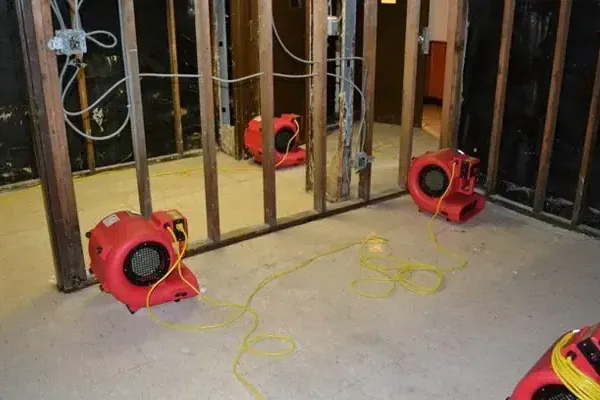
Questions after storm water enters
Does heavy rain prove the roof caused the damage?
No. Rain can enter through several building components, and unrelated plumbing may fail at the same time. Inspection and moisture tracing establish the likely path.
Can drying start while rain still enters?
Emergency removal may reduce spread, but effective drying requires the active entry to stop. Temporary protection or repair should be handled safely by the appropriate trade.
How is runoff different from rain entering overhead?
Ground-contact water carries different contamination concerns and often reaches materials from below. Overhead entry may follow cavities before appearing on a visible finish.
Will cleanup include permanent roof or wall repair?
The restoration scope covers interior water, affected materials, cleaning, and drying. Permanent exterior correction and reconstruction are separate scopes for qualified providers.
Why are dry-looking rooms measured?
Water can cross hidden transitions before stains appear. Comparison readings in adjoining spaces help confirm the boundary and protect truly unaffected materials.
What if the same storm affects several rooms differently?
Each route becomes its own drying zone. Equipment and access are tailored to the materials and retained moisture found in that section.
What should be saved for an insurance discussion?
Keep weather context, photographs, repair records, moisture maps, removal notes, equipment logs, and final readings. The insurer determines how the policy applies. Records distinguish new moisture from earlier staining.
Connect each wet room to evidence
Storm recovery works best when interior tracing, building repair, material decisions, and drying records remain distinct.