Flood Cleanup in Springfield Township, PA
Outside water brings uncertain contaminants, so the response isolates the entry area, removes liquid and unsafe materials, cleans stable surfaces, and measures the remaining structure.
(888) 557-1733Assess the floodwater entry- Outside-water controls
- Material triage
- Documented dry-out
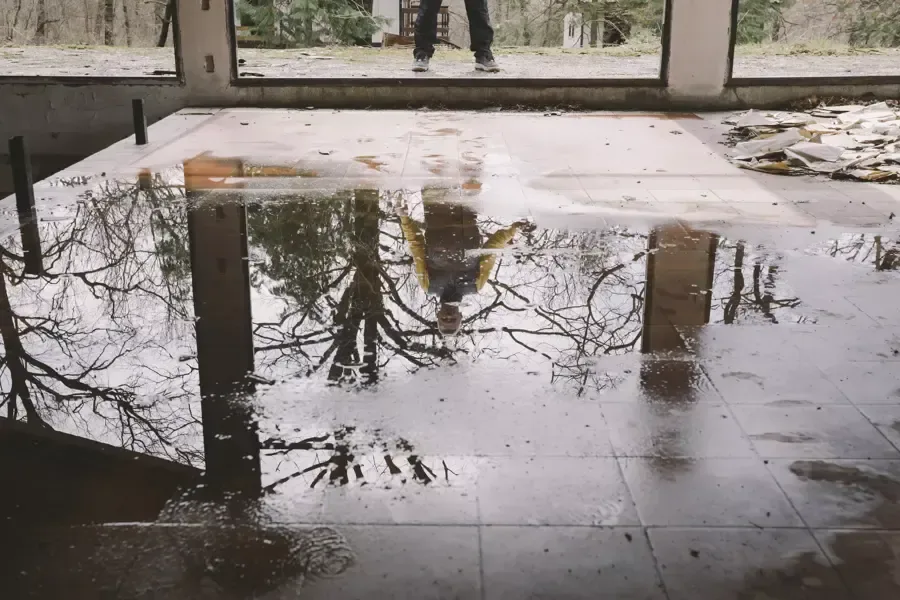
What to do the moment you find outside floodwater in Springfield Township
- 1Wait for safe access
Stay out when water touches electrical equipment, contamination is visible, surfaces are unstable, or the route requires crossing moving floodwater.
- 2Keep the boundary contained
Stop foot traffic between affected and dry rooms, and keep pets and ordinary cleaning tools away from exposed surfaces.
- 3Record entry clues
Photograph the water edge, nearby openings, damaged finishes, and contents from a stable position before extraction or movement changes them.
- 4Describe changing conditions
Note whether water is rising, receding, or static and whether weather-related entry continues, without entering the affected zone.
How the crew handles outside floodwater
- AEvaluate entry
The opening survey identifies safe routes, water depth, visible entry clues, contamination, wet materials, and dry areas needing protection.
- BExtract and contain
Liquid is removed while equipment paths, waste handling, and worker movement remain controlled within the established boundary.
- CClean and resolve
Stable surfaces receive cleaning, while unsafe porous materials are documented and removed according to direct exposure and condition.
- DDry the remainder
Mapped readings direct air movement and dehumidification until retained materials compare appropriately with dry reference points.
Outside water inside a property requires more than pumping. It can carry soil and other contaminants across flooring, wall bases, contents, and concealed layers. A Wyndmoor, Miquon, or Laverock property needs an individual assessment; a neighborhood name alone cannot establish its flood-zone status or explain how outside water entered the building. The observed entry path and site inspection define the work.
What does flood cleanup cost in Springfield Township, PA?
Cost reflects water depth, affected area, contamination, access, contents, porous material removal, cleaning needs, disposal, and the structural drying scope discovered afterward. Protected equipment routes also influence the final scope.
Contained area
$4,000 to $9,100
- Controlled work zone
- Floodwater extraction
- Focused material handling
Several rooms
$9,100 to $16,900
- Expanded containment
- Multiple removal areas
- Broader cleaning scope
Complex loss
$16,900 to $22,000+
- Extensive exposure
- Difficult contents access
- Large structural dry-out
Drivers: the water category, the square footage, the material class and how fast drying started. For a planning range, try the water damage cost calculator.
How the team handles outside floodwater in Springfield Township
- 1
Moisture mapping
The tech who does the walkthrough maps wet materials with thermal imaging and pinless meters first.
- 2
Extraction
The extraction crew pulls standing water out with truck-mounted extraction, so it leaves the building.
- 3
Air movers and LGR
Air movers are set to each room's evaporation load; LGR dehumidifiers pull the moisture from the air.
- 4
Dry verification
Crews log readings daily and pull equipment once wet material is within 2 to 4 points of a dry reference.
Describe the source, wet rooms, and any immediate safety concerns.
(888) 557-1733Arrange a floodwater surveySafe entry depends on the actual room
The crew first considers electricity, unstable finishes, water depth, access, and contamination. Occupants remain outside the affected zone while the source is active or conditions are uncertain. Photographs are taken from stable locations, and the farthest visible spread is marked before extraction changes the scene.
- Do not walk through runoff to move stored belongings.
- Keep ordinary fans and vacuums outside contaminated rooms.
- Record water marks around doors, windows, drains, and walls along the entry route.
- Protect dry travel routes before equipment moves.
Extraction is paired with material triage
Bulk water is removed through a controlled path. The restoration team then evaluates floor coverings, trim, wall finishes, insulation, cabinets, and contents according to direct contact and condition. A hard nonporous surface may permit detailed cleaning, while an absorbent layer that held contaminated water may require removal.
Near Flourtown or North Hills, the cleanup plan records the wet floor and wall layers, contamination, and safe routes for moving equipment and removed materials. Openings are limited to what access and readings support. Waste is contained before it crosses unaffected spaces.
Cleaning precedes the final drying setup
Removing liquid alone leaves residue and material moisture. Stable surfaces receive cleaning appropriate to the exposure. After contaminated items are resolved, the drying team maps the remaining wet structure and establishes comparison points. Air movement stays controlled so it serves the work zone rather than pushing material into occupied rooms.
- Moisture marks create repeatable monitoring locations.
- Environmental readings show how released water vapor is managed.
- Equipment changes follow material response.
- Completion notes identify what was removed, cleaned, and dried.
Records distinguish cleanup from future prevention
The loss file separates exterior correction, extraction, disposal, cleaning, structural drying, and later rebuilding. That organization helps an owner discuss the event without promising coverage. Assess the broader flood cleanup service or use the township service hub to compare storm, sewage, and extraction scopes.
Door thresholds and room transitions are documented after extraction. A contents record separates items moved to dry storage from those awaiting cleaning or disposal. That distinction helps prevent damp cartons, textiles, or contaminated belongings from returning to rooms whose structural work is complete.
Flood Cleanup coverage in Springfield Township
Flood cleanup serves Wyndmoor, Miquon, Laverock, Flourtown, and North Hills. The crew traces entry marks, assesses contamination, and maps the wet materials in each affected room. Indoor work zones also protect unaffected occupied areas.
Related water damage services in Springfield Township
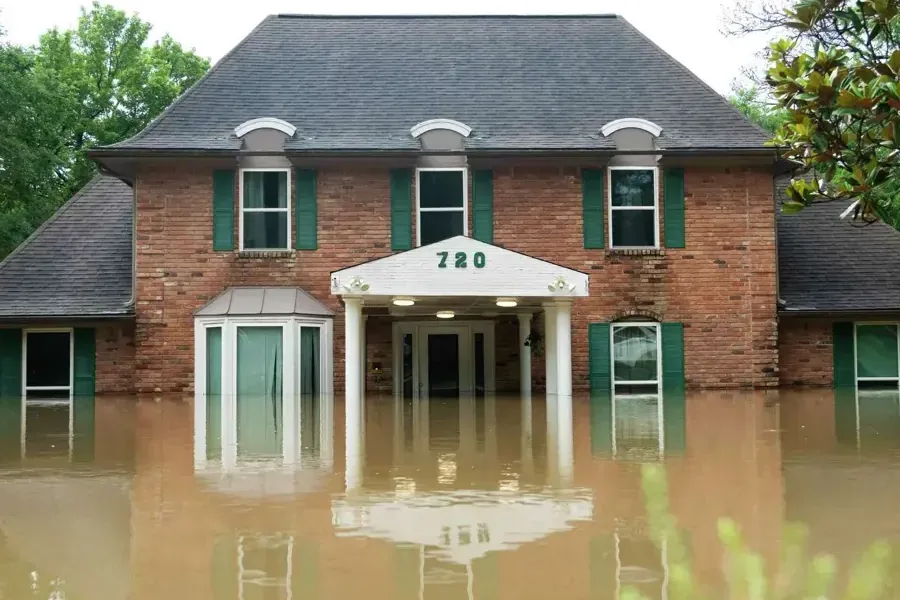
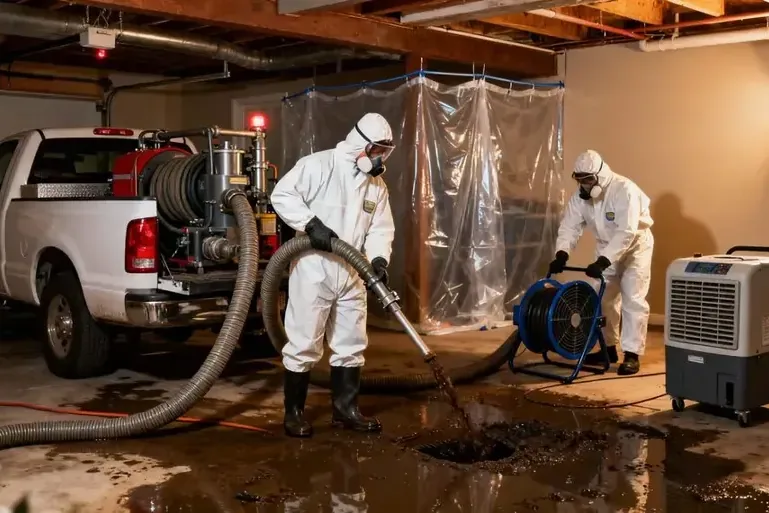
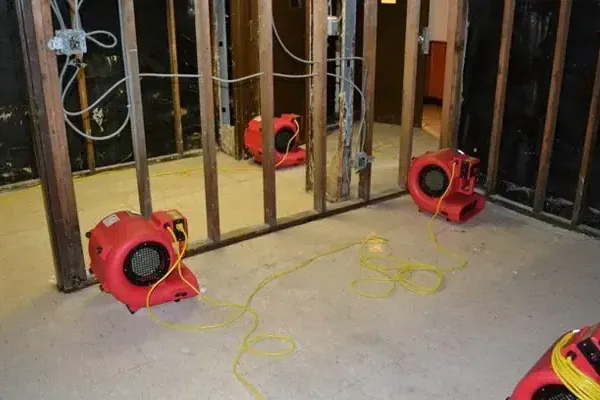
Questions after outside water enters
Is outside floodwater considered contaminated?
Outside water can collect soil and other contaminants before entering. Cleanup therefore uses protective controls and cautious porous-material decisions instead of treating it like a recent supply leak.
Can a wet carpet simply be dried in place?
Direct floodwater contact can affect carpet, pad, and the floor below. Exposure, construction, cleaning feasibility, and physical condition determine whether any layer can remain.
Does this service repair the exterior entry point?
Restoration handles indoor extraction, removal, cleaning, and drying. Roofing, drainage, foundation, door, or window correction belongs to the qualified trade appropriate to the confirmed source.
Why is there no property flood-zone statement here?
Flood-zone status must be checked on the applicable property map. Inspection then establishes the actual water entry, affected materials, and cleanup needs of the building.
How are damaged belongings handled?
Contents are documented by location, material, and exposure. Stable cleanable items may receive controlled treatment, while unsafe absorbent goods may need disposal.
When does structural drying begin?
Drying follows liquid removal, contamination control, and material decisions. The remaining stable structure is mapped so equipment serves defined wet zones.
What documentation supports the loss file?
Useful records include entry photographs, water boundaries, contents notes, removal details, cleaning records, equipment placement, moisture readings, and final condition photographs. Each item stays tied to its original room.
Control contamination before drying begins
Outside-water cleanup connects extraction with material removal, surface cleaning, and readings from the structure that remains.